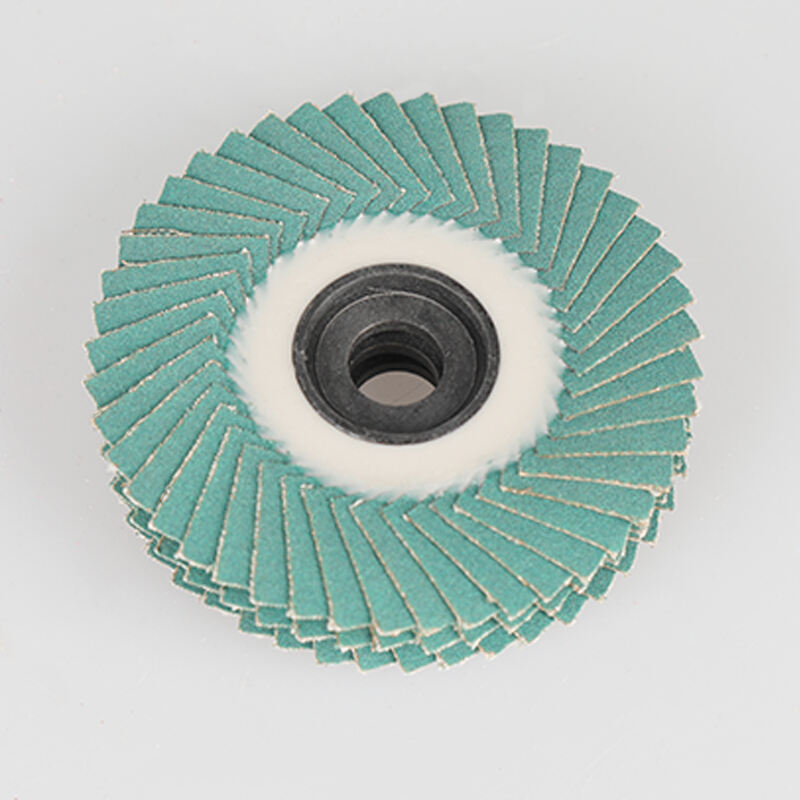
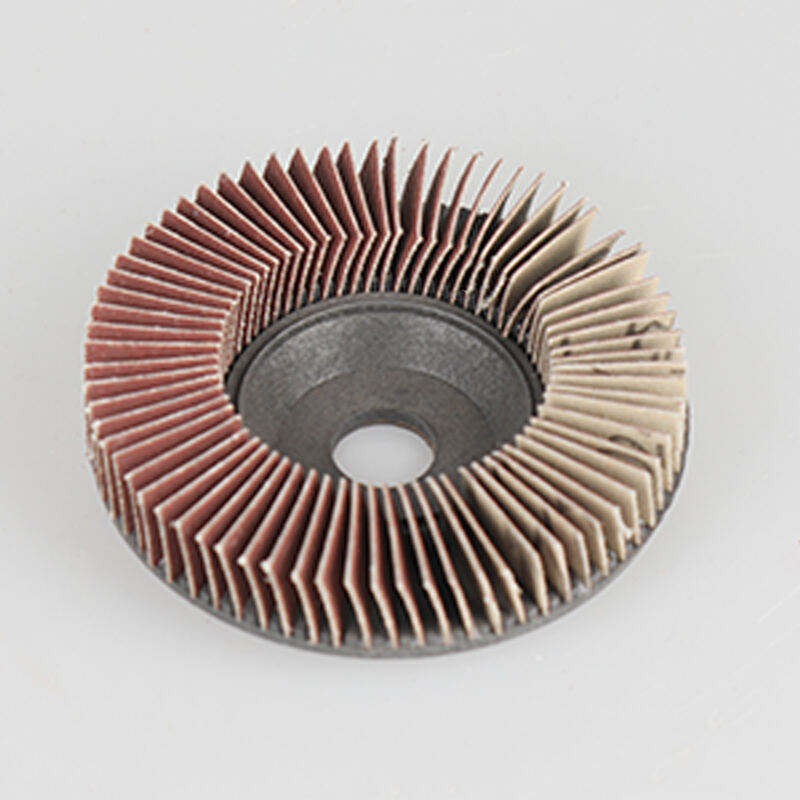
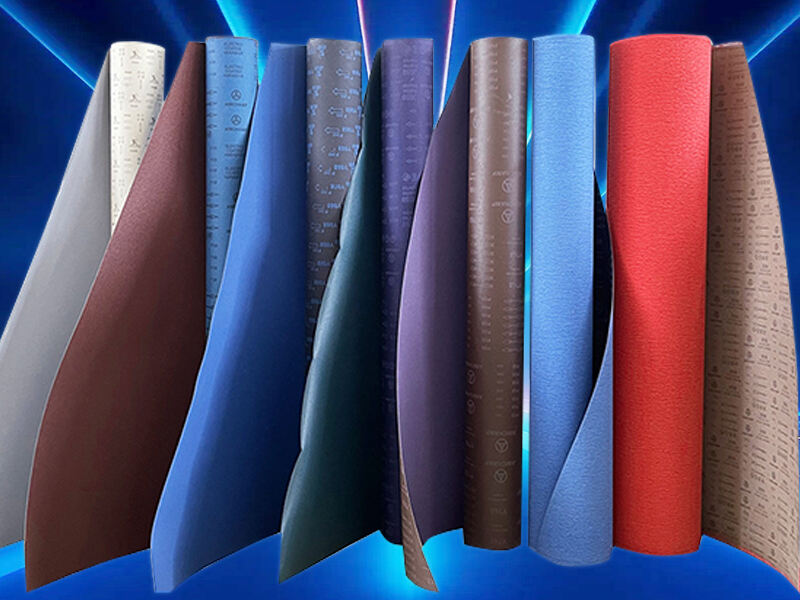
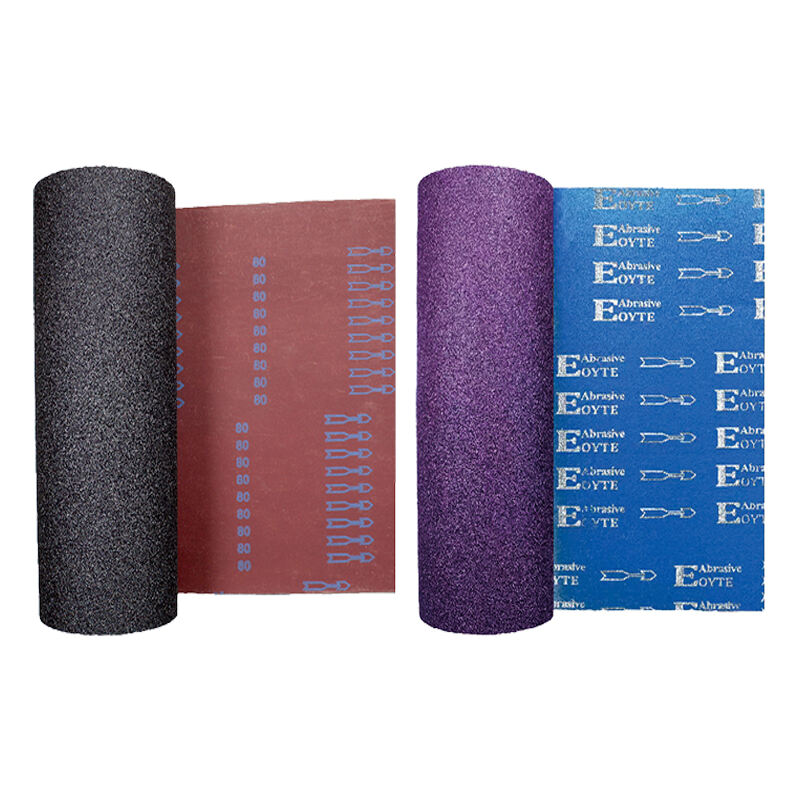
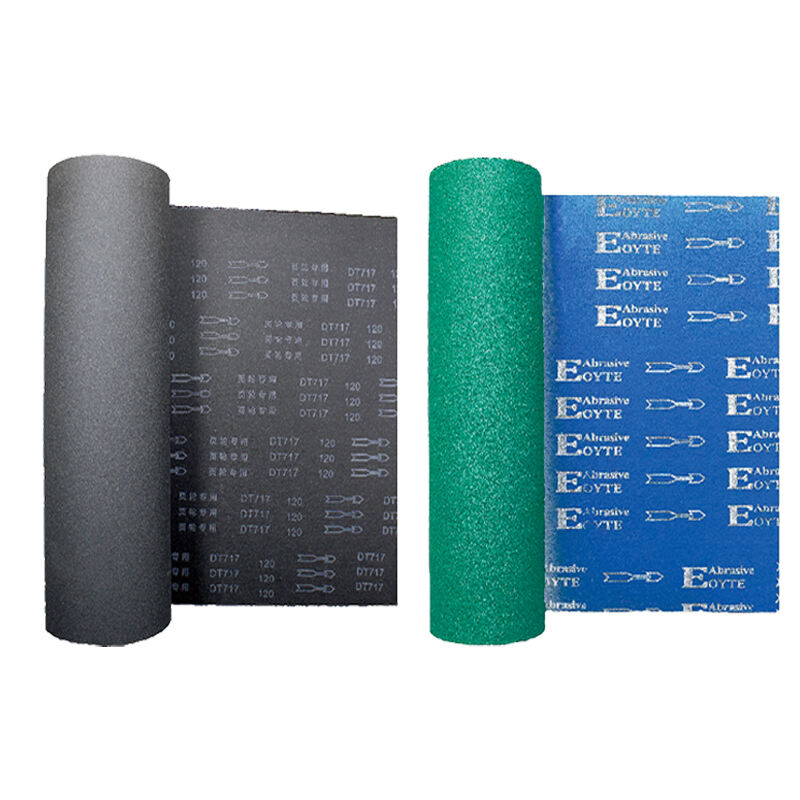
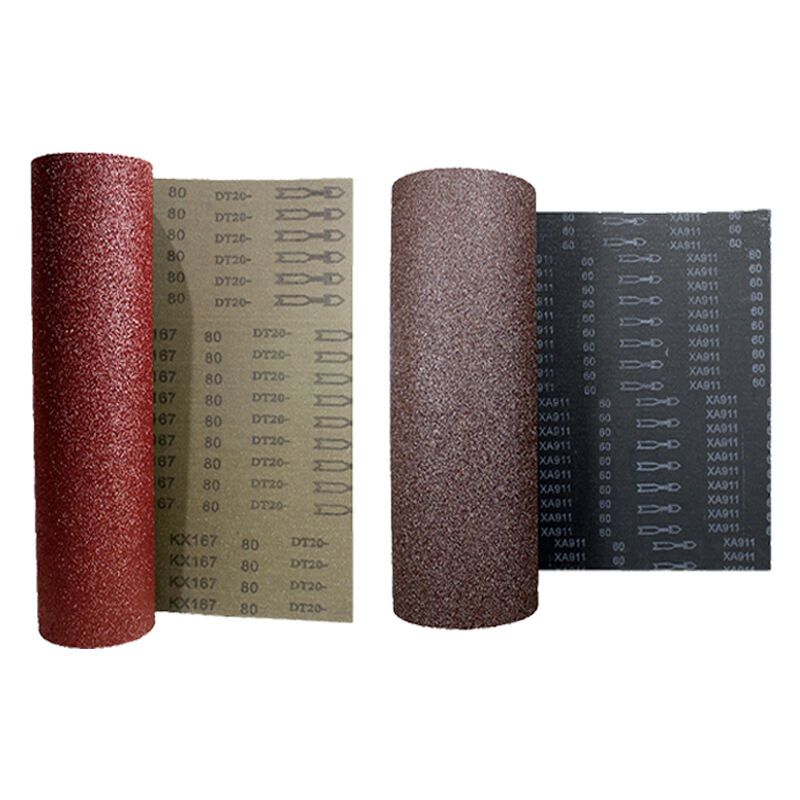
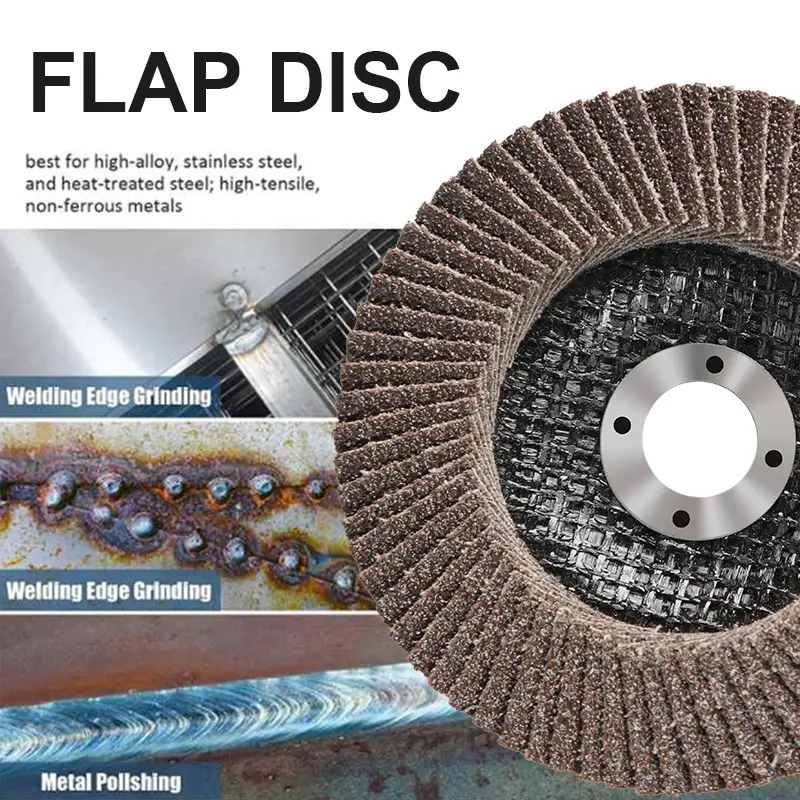
Coated abrasive sand cloth refers to a type of abrasive material where abrasive grains are uniformly bonded to a flexible cloth backing, creating a durable tool for surface preparation and material removal. The construction of coated abrasive sand cloth involves three key components: the backing, the abrasive grains, and the bonding system. The backing, typically made from cotton, polyester, or a cotton-polyester blend, provides flexibility and strength, allowing the cloth to conform to curved surfaces and withstand repeated use. The abrasive grains—commonly aluminum oxide, silicon carbide, or zirconia alumina—are selected based on the intended application: aluminum oxide for general-purpose sanding of wood and metal, silicon carbide for harder materials like stone or glass, and zirconia alumina for heavy-duty metalworking. These grains are coated onto the backing using a two-step bonding process: a primary adhesive (make coat) that secures the grains to the backing, and a secondary adhesive (size coat) that reinforces the bond, preventing grain loss during use. This layered construction ensures consistent abrasion and extends the cloth’s lifespan. Coated abrasive sand cloth is available in various forms, including sheets, rolls, and belts, and in a wide range of grit sizes, from coarse (24-80) for aggressive material removal to fine (400-600) for finishing. Its flexibility makes it ideal for sanding contoured surfaces, such as wooden moldings, metal pipes, and automotive panels, where rigid abrasives would fail to make even contact. In metalworking, it is used to remove rust, scale, and burrs, while in woodworking, it smooths rough lumber, prepares surfaces for finishing, and removes old paints or varnishes. One of the key advantages of coated abrasive sand cloth is its ability to dissipate heat, reducing the risk of burning or discoloring heat-sensitive materials like softwoods or plastics. Additionally, the cloth backing resists tearing, even under high pressure, making it suitable for use with power tools such as orbital sanders and belt sanders. The uniform distribution of abrasive grains ensures consistent cutting action, minimizing surface irregularities and producing a smooth finish. Whether used in industrial settings for large-scale production or in DIY projects for small repairs, coated abrasive sand cloth offers a reliable, versatile solution for achieving precise, high-quality surface results across a wide range of materials.
 EN
EN