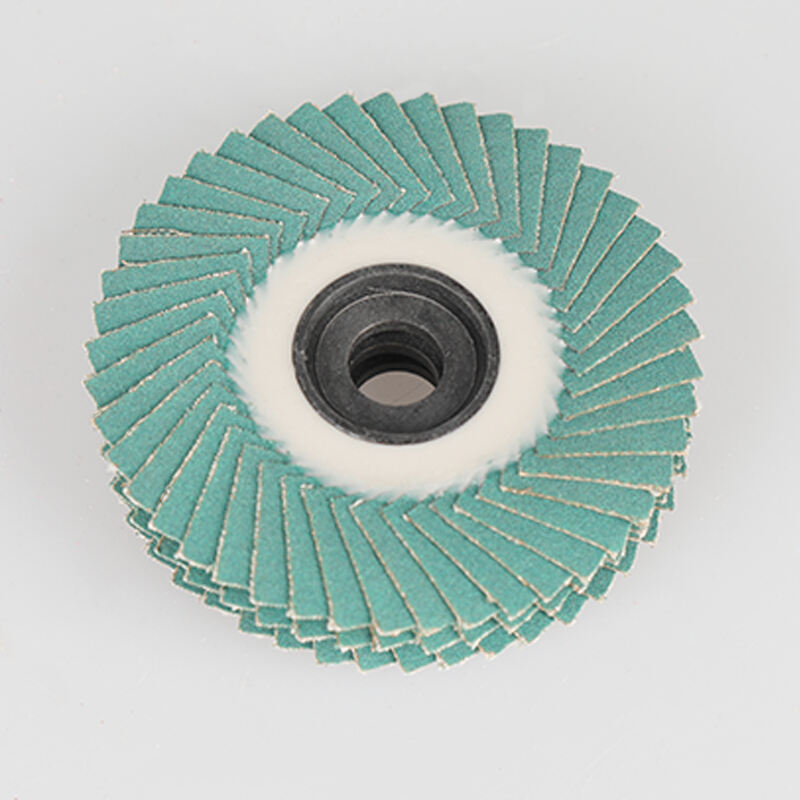
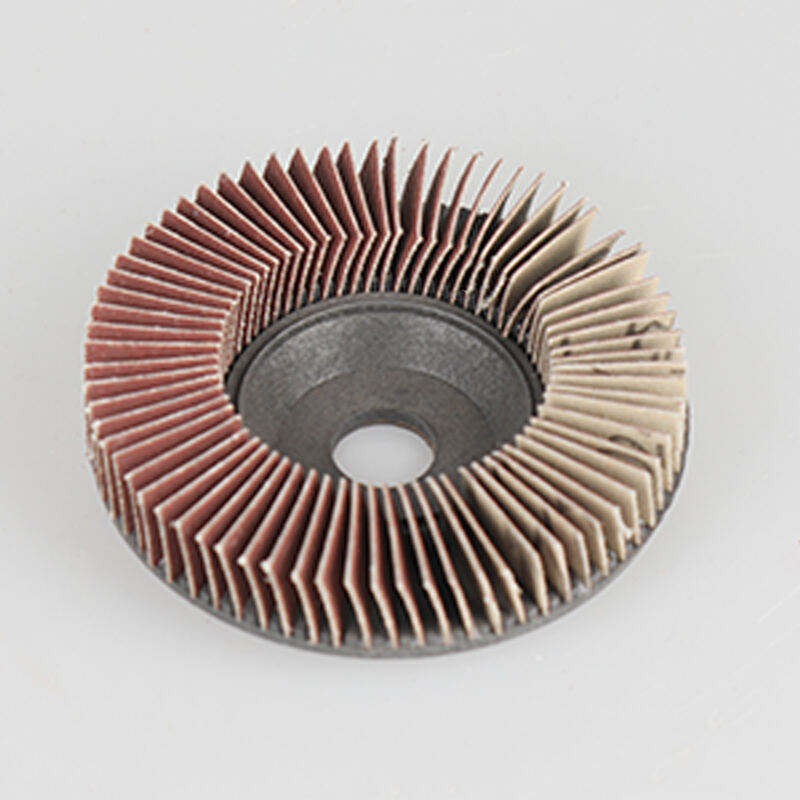
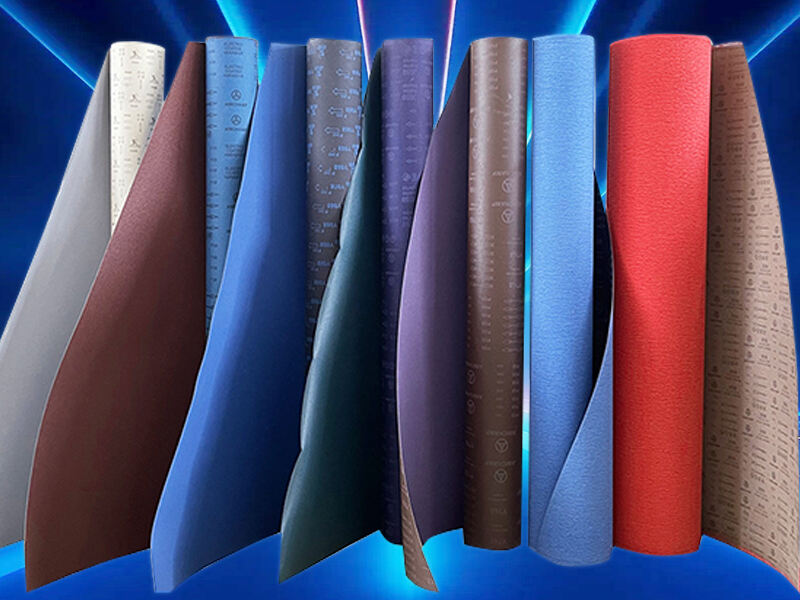
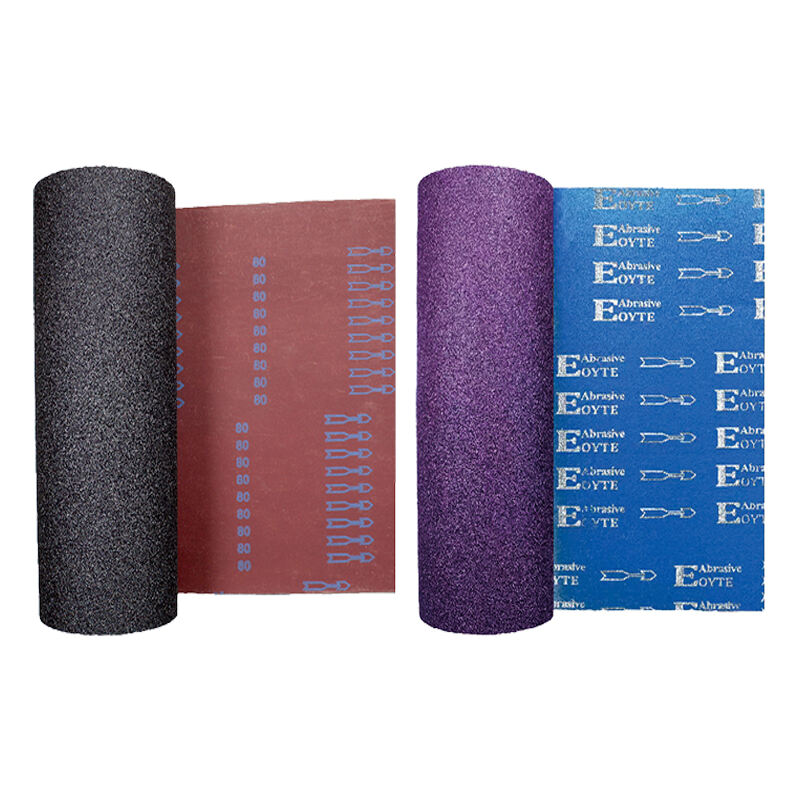
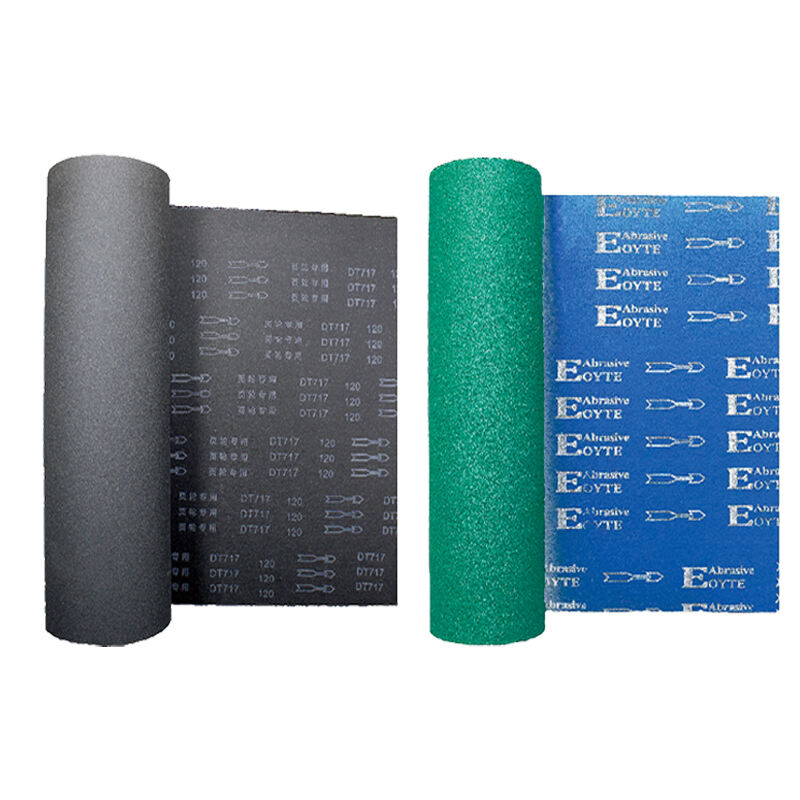
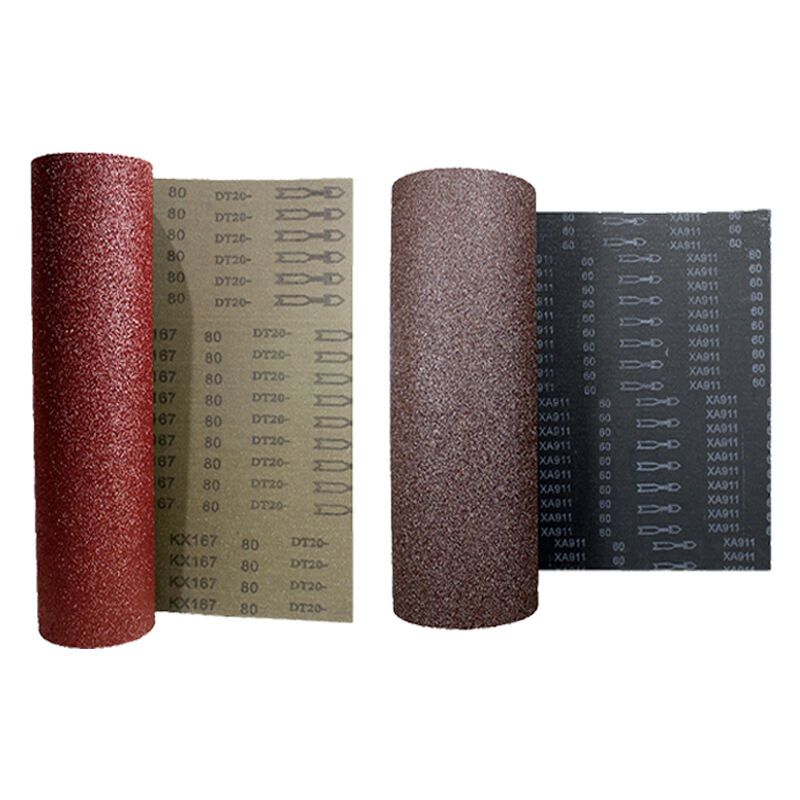
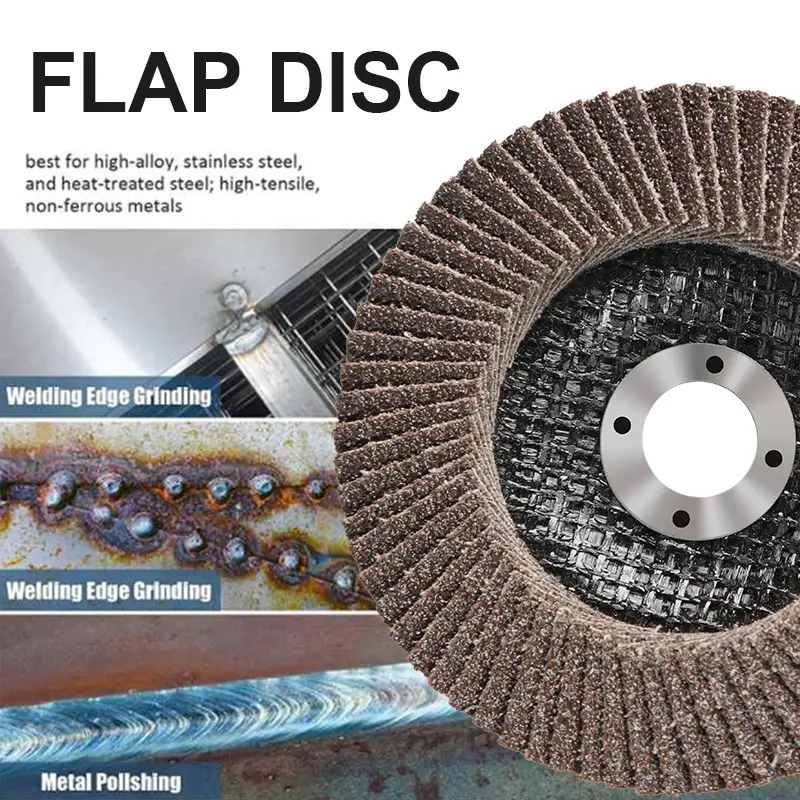
Professional grade sand cloth is a heavy-duty abrasive tool designed to meet the rigorous standards of professional tradespeople and industrial environments, combining superior materials, precision manufacturing, and enhanced durability to deliver reliable performance in high-volume or demanding applications. The foundation of professional grade sand cloth lies in its robust construction: the backing material is a high-strength, tear-resistant cloth (often reinforced with polyester or nylon fibers) that withstands repeated use and high pressure, whether used with power tools or manual sanding. The abrasive grains—selected for their uniformity and sharpness—are typically premium aluminum oxide, zirconia alumina, or silicon carbide, chosen based on the intended application (metalworking, woodworking, or stone processing) to ensure optimal cutting efficiency. These grains are bonded to the backing using advanced resin adhesives that resist heat, moisture, and chemical degradation, preventing grain loss even when sanding hard materials like steel, hardwood, or concrete. Professional grade sand cloth is available in a comprehensive range of grit sizes, from coarse (24-80) for heavy material removal to ultra-fine (1200+) for precision finishing, allowing professionals to tackle every stage of a project with a single tool type. What sets it apart from standard sand cloth is its consistency: strict quality control ensures uniform grit distribution, minimal defects, and predictable performance, reducing variability in results—a critical factor in professional settings where consistency directly impacts product quality. In construction, it is used for sanding concrete, drywall, and metal studs, withstanding the harsh conditions of job sites. In automotive repair, it prepares surfaces for painting by removing rust and old paint without leaving behind uneven marks. In industrial manufacturing, it handles high-volume sanding of metal parts, ensuring each component meets strict surface specifications. The cloth’s flexibility allows it to conform to curved surfaces, while its strength prevents tearing when sanding sharp edges or irregular shapes. Many professional grade varieties are also treated for water resistance, expanding their use to wet sanding applications, such as automotive refinishing or marine woodworking, where dust control and surface smoothness are priorities. For professionals, the long lifespan of professional grade sand cloth—often two to three times that of standard sand cloth—reduces downtime for tool replacement and lowers overall costs, despite a higher initial investment. Its ability to deliver consistent, high-quality results across diverse materials and applications makes it an indispensable tool for tradespeople who rely on their equipment to maintain productivity and reputation.
 EN
EN