EN
EN
Kivennäispaperin yleiskatsaus ja sen keskeinen rooli kovettavissa sovelluksissa
Hiomakalvo on yksi perustavimmista ja monikäyttöisimmistä hiomatyökaluista, jota käytetään laajalti ammattimaisessa valmistuksessa, puuntyössä, metallityössä, autokorjausliikkeissä ja harrasteprojekteissa. Se toimii pääasiallisena välineenä pinnan esikäsittelyyn, materiaalin poistoon, tasoitukseen ja viimeistelyyn, muuttaen karkeat työkappaleet kiiltäviksi ja tarkkuusvalmiiksi tuotteiksi. Shandong Dongtai Abrasives on jo yli kahden vuosikymmenen ajan ollut johtava päällystettyjen hiomateriaalien valmistaja, joka valmistaa korkealaatuisia hiomakalvoja ja hiomatarvikkeita erilaisiin teollisiin ja kaupallisesti käytettäviin tarpeisiin, panostaen jokaisen tuotteen laatuvarmistukseen ja teknologiseen innovaatioon. Riippumatta siitä, hiooko te hienoja teräksiä, ruostumatonta terästä, puuta, muovia vai ei-rautaisia metalleja, oikean hiomakalvon valinta vaikuttaa suoraan työn tehokkuuteen, pinnanlaatuun ja hiomatyökalujen kestävyyteen. Hiomakalvo ei ole yhden koon ratkaisu kaikkiin; sen suorituskyky määrittyy avaintekijöiden – kuten jyväkoko, hiomamateriaali, tukipohja ja päällystystyyppi – mukaan, jotka kaikki vastaavat tiettyjä käyttötarpeita. Tässä oppaassa käydään läpi olennaiset hiomakalvotyypit, niiden ainutlaatuiset ominaisuudet sekä niiden soveltaminen tarkkaan hiomatarpeeseenne, mikä takaa optimaaliset tulokset aina kun otatte käteen hiomakalvolehden tai -rullan.
Avainkomponentit, jotka määrittelevät hiomapaperityypit
Kovamateriaali – hiomapaperin suorituskyvyn perusta
Hienokalvoon upotettu kuluttava aine on se, mikä määrittää sen leikkuu- ja hiomiskyvyn, ja eri materiaalit on suunniteltu toimimaan parhaiten tietyillä pinnoilla. Alumiinioksidi on yleisin kuluttava aine teollisuus- ja kaupallisessa hienokalvossa, ja sitä käytetään erinomaisesti metallipintojen hiomiseen, kuten pehmeän teräksen, ruostumattoman teräksen ja korkean vetolujuuden ei-rautametallien hiomiseen. Tämä materiaali tarjoaa erinomaisen kulumisvastuksen, johdonmukaisen leikkuutoiminnon ja kyvyn säilyttää terävyys myös toistuvassa käytössä, mikä tekee siitä vakiintuneen valinnan metallityössä ja autoteollisuuden hiomistehtävissä. Kuumennetun teräksen ja korkean seoksen metallien kaltaisille kovemmille materiaaleille keramiikka-alumiinia sisältävä hienokalvo tarjoaa viileän leikkuutoiminnon, mikä vähentää lämpövaikutusalueita, jotka voivat vahingoittaa herkkiä työkappaleita, ja varmistaa sileän pinnan. Zirkonia-alumiinia sisältävä hienokalvo on toinen korkean suorituskyvyn vaihtoehto, joka tunnetaan pitkästä käyttöiästään ja kyvystään teroitua itseään käytön aikana – tämä tekee siitä erinomaisen valinnan suurtehoisiin hiomistehtäviin, joissa vaaditaan kestävyyttä ja tehokkuutta. Shandong Dongtai Abrasives integroi nämä huippulaatuiset kuluttavat materiaalit hienokalvonsa tuotantoprosessiin, mikä varmistaa, että jokainen tuote täyttää ammattimaisen hiomisen tiukat vaatimukset maailmanlaajuisesti eri teollisuudenaloilla.
Karkeuden ja viimeistelyvaatimusten vastaavuus hiomakoon mukaan
Hiontajyvän koko on hiontapaperin tunnetuin ominaisuus ja viittaa hiontahiukkasten määrään neliötuumassa (n. 6,45 cm²) paperia. Hiontajyvän koot vaihtelevat karkeasta erinomaisen hienoon, ja jokainen koko on tarkoitettu tiettyyn hionnan vaiheeseen – alkaen suuresta materiaalin poistosta loppupolishointiin saakka. Karkea hiontapaperi kuuluu yleensä 24–60 -kokoalueelle ja on ideaalinen maalin poistoon, ruosteen poistoon, karkean puun muotoiluun tai epätasaisen metallipinnan tasaukseen – tehtäviin, joissa vaaditaan nopeaa materiaalin poistoa. Keskitasoisella hiontapaperilla (80–120) suoritetaan välisandausta: se tasaa pinnan karkean hionnan jälkeen ja valmistaa sen tarkempaan viimeistelyyn; tämä kokoalue on monikäyttöisin yleiseen puutyöhön ja metallin esikäsittelyyn. Hienolla hiontapaperilla (150–320) saavutetaan sileä pintasuoritus, mikä tekee siitä erinomaisen valinnan lopulliseen hiontaan ennen maalaamista, värjäystä tai metallikomponenttien polishiointia. Erinomaisen hienolla hiontapaperilla (400 ja yli) saadaan peilikirkas pinta ja tarkka viimeistely, mikä on yleistä autoteollisuuden tarkastuksessa, lääkintälaitteiden valmistuksessa ja elektronisten komponenttien tuotannossa. Oikean hiontajyvän koon valinta on ratkaisevan tärkeää: liian karkea koko jättää syviä naarmuja, kun taas liian hieno koko hidastaa hiontaprosessia tarpeettomasti.
Takamateriaalin kestävyys eri hiomismenettelyissä
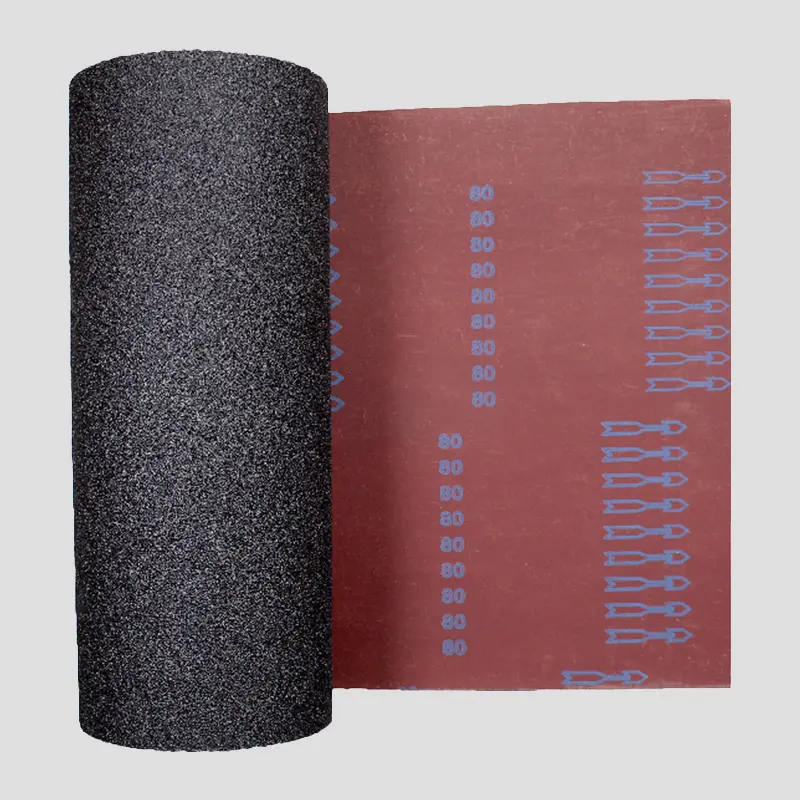
Hiomakalvon kantamateriaali pitää hiovat jyvät paikoillaan, ja sen lujuus sekä joustavuus määrittävät hiomakalvon soveltuvuuden eri hiomatyökaluille ja käyttötarkoituksille. Paperikanta on perinteisin vaihtoehto: se on kevyt ja edullinen, mikä tekee siitä ideaalin valinnan käsinhiomiseen tasaisille pinnoille ja kevyille työtehtäville. Se on saatavilla eri painoista, joista raskaampi paperikanta tarjoaa suurempaa kestävyyttä keskitasoisille hiomistehtäville. Kankaankanta on kestävämpi vaihtoehto, joka valmistetaan puuvillasta tai synteettisistä kuiduista, ja se on ripsumisen ja kosteuden aiheuttaman vaurion kestävä. Kankaankantainen hiomakalvo sopii erinomaisesti konehiomiseen, orbitaalihiomakoneisiin ja hiomahihnoihin sekä kosteassa ympäristössä tehtävään hiomiseen, jossa kosteutta esiintyy. Shandong Dongtai Abrasives tuottaa myös hiomakalvoja lasikuitukannalla, mikä on korkean suorituskyvyn vaihtoehto teollisuudessa käytettäviin hiomistehtäviin, joissa vaaditaan erinomaista kestävyyttä ja mitallisesti vakautta. Lasikuitukantainen hiomakalvo kestää venymistä, ripsumista ja lämpöä, mikä tekee siitä ideaalin valinnan raskaille metallityöstötehtäville ja korkean nopeuden hiomistoimille valmistuslaitoksissa. Lisäksi velcro-kantainen hiomakalvo (koukku- ja silmäkantainen) on suosittu vaihtoehto nopeaan ja helppoon kiekon vaihtoon sähköhiomakoneissa; sillä on vahva tarttuvuus, joka varmistaa hiomakalvon pysymisen paikoillaan käytön aikana, ja se on varustettu 10 pölynkeruurei’ällä, jotta hiomialue pysyy puhtaana.
Pintakäsittelytyyppi, joka optimoi suorituskyvyn kuivassa ja kosteassa hiomisessa
Hiomakalvon päällystystyypit määrittävät, miten kovat hiomajyväkset on kiinnitetty kantamateriaaliin ja miten hiomakalvo toimii kuivassa tai kosteassa hiomisessa. Avoin hiomakalvo on sellainen, jossa hiomajyvät ovat sijoitettu etäälle toisistaan kantamateriaalille, jolloin niiden väliin jää tyhjiä tiloja, jotka estävät pölyn ja likaantumisen tukkoutumasta pinnalle. Tämäntyyppinen hiomakalvo on ideaalinen pehmeiden materiaalien, kuten puun, muovin ja maalin, hiomiseen, koska avoin rakenne mahdollistaa tehokkaan pölyn poiston ja vähentää hiomakalvon tarttumisen riskiä. Suljettu hiomakalvo on sellainen, jossa hiomajyvät ovat tiukasti pakattuja koko kantamateriaalin pinnalle, mikä maksimoi leikkaavien reunojen lukumäärän nopeaa ja voimakkasta materiaalin poistoa varten. Se on paras vaihtoehto kovien materiaalien, kuten metallin, ruostumatonta terästä ja betonin, hiomiseen, jossa korkea hiomajyvien tiukkuus takaa tasaisen leikkaussuorituksen. Kosteuskestävä hiomakalvo on erikoisesti suunniteltu päällystetty hiomakalvo, jossa on vedenkestävä kantamateriaali ja vedenkestävällä liimalla kiinnitetyt hiomajyvät. Sitä voidaan käyttää vedellä tai voiteluaineella lämmön ja pölyn vähentämiseksi, tarkemman pinnan saavuttamiseksi ja hiomakalvon käyttöiän pidentämiseksi; tätä tyyppiä käytetään yleisesti automaalauksessa, metallin kiillotuksessa ja puun viimeistelyssä, joissa on olennaista saavuttaa sileä, naarmuton pinta.
Yleisimmät hiomapaperityypit ja niiden erityiskäyttötavat
Alumiinioksidinen hiomapaperi – monikäyttöinen teollisuuden työhevonen
Alumiinioksidihiekkapaperi on ammattimaisissa ja teollisissa sovelluksissa laajimmin käytetty hiekkapaperityyppi, jota arvostetaan sen monikäyttöisyydestä ja kestävyydestä. Tätä hiekkapaperia voidaan käyttää lähes kaikkien metallipintojen hiomiseen, mukaan lukien pehmeä teräs, ruostumaton teräs, alumiini ja messinki sekä kovat puulajit ja komposiittimateriaalit. Se on saatavilla koko skaalalla hienoisuusasteikoja: karkeasta 24-hienoisuudesta (kova metallin poisto) erinomaisen hienoon 400-hienoisuuteen (tarkka kiillotus), mikä tekee siitä suosituimman valinnan metallityöstöön, autokorjaukseen, rakentamiseen ja puuntyöstöön. Shandong Dongtai Abrasives tuottaa alumiinioksidihiekkapaperia sekä lehtimuodossa että rullamuodossa, ja se on saatavilla paperi-, kangas- tai lasikuitupohjaisena eri hiomatyökaluja ja sovelluksia varten. Tämä hiekkapaperi on vakiokalustoa valmistuslaitoksissa, autotallissa ja työpajoissa ympäri maailmaa, tarjoamalla luotettavaa suorituskykyä sekä käsikäyttöisiin että koneellisiin hiomistehtäviin.
Keramiikka-alumiinihiekkapaperi tarkkaan metallin viimeistelyyn
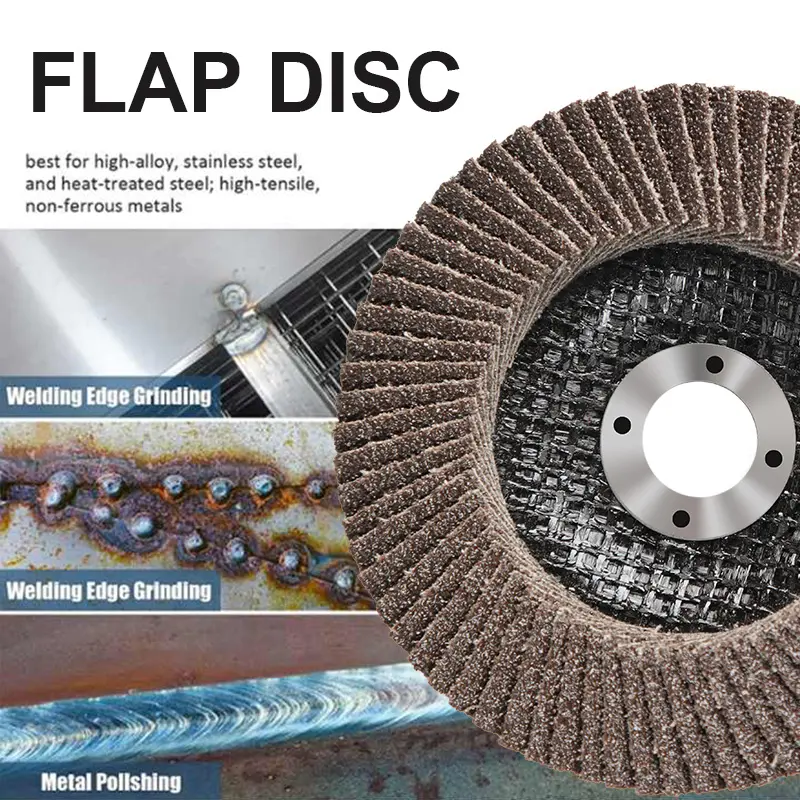
Keramiikkalumiinioksidihiekkapaperi on korkean suorituskyvyn ratkaisu, joka on suunniteltu tarkkaan hiontaan ja viimeistelyyn koville metalleille, kuten lämpökäsittelylle altistetulle teräkselle, korkean seoslisäosan sisältävälle teräkselle ja ruostumattomalle teräkselle. Sen viileän leikkaamisen ominaisuudet vähentävät lämmön muodostumista hionnan aikana ja estävät lämpövaikutusalueiden syntymisen, jotka voivat vaarantaa metalliosien rakenteellisen eheytetyn – tämä ominaisuus on erityisen tärkeä ilmailu-, lääkintälaitteiden ja autoteollisuuden valmistuksessa, joissa tarkkuus on ehdoton vaatimus. Keramiikkalumiinioksidihiekkapaperi säilyttää terävyysnsä pidempään kuin perinteinen alumiinioksidihiekkapaperi, myös kovimpien materiaalien hionnassa, ja tuottaa yhtenäisen, sileän pinnanlaadun (Ra), joka täyttää tiukat teollisuusstandardit, kuten ASTM A967 ruostumattoman teräksen viimeistelyyn. Tämä hiekkapaperityyppi on ihanteellinen hitsausreunojen hiomiseen ja metallien kiillotukseen, joissa vaaditaan moitteeton pinta sekä rakenteellisiin että esteettisiin tarkoituksiin.
Zirkonia-alumiinioksidihiekkapaperi suurtehoinen teollinen hionta
Zirkonia-alumiini-hiomaspaperi on suunniteltu korkean tuotantonopeuden ja raskaiden hiomistoimenpiteiden tarpeisiin teollisessa valmistuksessa. Se sisältää itseterävöityviä hiomakappaleita, jotka hajoavat käytön aikana ja paljastavat uusia teräviä reunoja, mikä varmistaa tasaisen leikkuusuorituskyvyn hiomaspaperin koko käyttöiän ajan. Tämä tekee siitä erinomaisen valinnan massatuotantoympäristöihin, joissa hiomaspaperin on kestettävä jatkuvaa käyttöä metallipintojen käsittelyyn ilman useita vaihtoja. Zirkonia-alumiini-hiomaspaperi soveltuu erinomaisesti korkean seoksen terästen, ruostumattoman teräksen ja ei-ferrosmetallien hiomiseen, ja sitä käytetään yleisesti autoteollisuudessa, raskaiden koneiden valmistuksessa ja metalliteollisuudessa. Sen pitkä käyttöikä vähentää käyttökatkoja ja hiomatarvikkeiden kustannuksia, mikä tekee siitä kustannustehokkaan ratkaisun laajamittaisiin teollisiin toimintoihin.
Kosteuskestävä hiomaspaperi virheettömän pinnan viimeistelyyn
Kostea-kuiva-hiomaspaperi on erityisesti suunniteltu käytettäväksi veden tai voiteluaineen kanssa, mikä poistaa pölyn ja vähentää lämpöä saavuttamalla naarmuton pintasuodatuksen. Se on varustettu vesitiukalla pohjalla ja vedenkestävällä liimalla, joten abraasiiviset jyvät eivät irroa pohjasta kosteuden vaikutuksesta. Tämä hiomaspaperi on saatavilla hienosta erinomaisen hienoon jyvyyteen (240–2000+), ja sitä käytetään lopputyövaiheissa, kuten automaalipinnan kiillotuksessa, metallin kiillotuksessa, puun viimeistelyssä ja lasin hiomisessa. Kostea-kuiva-hiomaspaperi on välttämätön niissä sovelluksissa, joissa vaaditaan sileää, peilikirkasta pintasuodatusta, sillä vesi pesee pois pölyn ja lika-aineet estäen niiden aiheuttamasta naarmuista työkappaleen pinnalle. Sitä käytetään sekä harrastajien että ammattimaisen autotarkistuksen tekijöiden keskuudessa yhtä lailla kuin tarkkuusinsinööritöissä, joissa mikrometrin tarkkuinen pintalaatu on välttämätöntä.
Velcro-pohjainen hiomaspaperi nopeaan vaihtoon sähköhiomakoneissa
Velcro-takainen hiomakalvo, jota kutsutaan myös koukku- ja silmukkahiomakalvoksi, on kätevä tyyppi, joka on suunniteltu teollisuuslaitteisiin kuten orbitaalihiomakoneisiin, satunnaisorbitaalihiomakoneisiin ja kiekko-hiomakoneisiin. Se on varustettu velcro-takalla, joka kiinnittyy turvallisesti hiomakoneen padin pintaan, mikä mahdollistaa nopean ja helpon hiomakalvon vaihdon ilman kiinnikkeitä tai liimoja. Shandong Dongtai Abrasives valmistaa velcro-takaista hiomakalvoa, jolla on vahva tarttuvuus, joka varmistaa hiomakalvon pysymisen paikoillaan korkean nopeuden aikana tapahtuvassa hionnassa; lisäksi monissa vaihtoehdoissa on 10 pölynkeruureikää, jotta hiomialue pysyy puhtaana ja näkyvyys parantuu. Tämäntyyppinen hiomakalvo on saatavilla alumiinioksidista, keraamisesta alumiinasta ja zirkoniumalumiinioksidista valmistettuna sekä täydellisellä kokoelmaa hiontahienoisuusasteikoja erilaisten hiontatehtävien täyttämiseksi. Sitä pidetään suosittuna ammattimaisena työkaluna sekä ammattimaisissa korjausliikkeissä että teollisuudessa sen tehokkuuden ja helppokäyttöisyyden vuoksi, mikä vähentää käyttökatkoja ja lisää tuotantotehokkuutta työpajassa tai tehtaassa.
Kuinka valita oikea hiomakalvo tarkkaan tarpeeseesi
Arvioi työkappaleen materiaali
Oikean hiomakalvon valinnan ensimmäinen askel on tunnistaa hiottava materiaali, sillä eri kovuusaineet toimivat parhaiten tietyillä pinnoilla. Metallipintojen, kuten teräksen ja ruostumattoman teräksen, hiomiseen kannattaa käyttää alumiinioksidia, keraamista alumiinia tai tsirkoniatyypin alumiinia sisältävää hiomakalvoa riippuen siitä, tarvitsetko monikäyttöistä suorituskykyä, tarkkaa viimeistelyä vai suurta kestävyyttä. Puun, muovin ja maalin hiomiseen avoin käsittely -tyyppinen alumiinioksidihiomakalvo on paras vaihtoehto, jotta estetään tukkeutuminen ja liimaantuminen. Lasin, kiven ja laattojen hiomiseen kosteassa tai kuivassa tilassa käytettävä hiomakalvo, jossa on piikarbidi-kovuusaine (läheinen sukulainen meidän valmistamiimme hiomakalvoihin), on ideaali tarkkaan hiomiseen ja kiillotukseen.
Määritä hiomistavoitteesi
Selvitä, onko hiomistehtäväsi materiaalin poistoa, tasaisuuden saavuttamista vai viimeistelyä varten, sillä tämä ohjaa hiomakalvon jyvyyden valintaa. Jos sinun täytyy poistaa maalia, ruostetta tai muokata karkeaa työkappaletta, valitse karkea hiomakalvo (24–60). Keskitasoiselle tasaisuuden saavuttamiselle karkean hionnan jälkeen sopii keskitasoinen hiomakalvo (80–120). Lopulliseen hiontaan maalausta, värjäystä tai kiillotusta varten sopii hieno hiomakalvo (150–320), joka varmistaa täydellisen pinnanvalmiuden. Peilimäiseen kiillotukseen ja tarkkaan viimeistelyyn tarvitaan erinomaisen hienoa hiomakalvoa (400+).
Ota huomioon käyttämäsi hiomatyökalu ja -menetelmä
Hiomatyökalun, jota käytät, mukaan valitaan tarvittava hiomapaperin tukimateriaali ja muoto. Käsin hiovaan tasopinnan hiomiseen paperitakaiset hiomapaperilevyt ovat ideaalisia. Hiomahihnoihin ja orbitaalihiomakoneisiin soveltuvat kestävät kankaantakaiset hiomapaperirullat tai -levyt. Satunnaisorbitaalihiomakoneisiin ja levyhiomakoneisiin sopivat parhaiten velcro-takaiset hiomapaperilevyt. Kosteahiomissovelluksissa varmista, että valitset vedenkestävän tukimateriaalin omaavan kostea/kuiva -hiomapaperin, jotta vältät sekä hiomapaperin että työkalusi vaurioitumisen.
Ota huomioon tuotantomäärä ja ympäristö
Jos työskentelet suurtehosisäisessä teollisuusympäristössä, valitse kestäviä hiomapaperityyppejä, kuten zirkonia-alumiinia tai lasikuitutaustaisia hiomapapereita, jotta vähennät vaihtofrekvenssiä ja käyttökatkoja. Pölyisissä hiomaympäristöissä valitse hiomapaperi, jossa on pölynkeruutoimintoja, kuten velcro-taustaiset kiekot, joissa on 10 reikää, parantaaksesi ilmanlaatua ja näkyvyyttä. Tarkkuustekniikan ja valmistuksen alalla, jossa noudatetaan tiukkoja laatuvaatimuksia, valitse korkean suorituskyvyn keramiikka-alumiinihiomapaperi, joka tuottaa yhtenäisiä ja toistettavissa olevia pinnanpäällysteitä.
Luotettavan hiomapaperin valmistajan valinta johdonmukaisen laadun varmistamiseksi
Hienosorapaperin laatu on yhtä hyvä kuin sen takana oleva valmistaja, ja kunnollisen päällystettyjen kulutustuotteiden valmistajan kanssa tehty yhteistyö varmistaa, että saat tuotteita, jotka täyttävät suorituskyky- ja kestävyysvaatimuksesi. Shandong Dongtai Abrasives, joka perustettiin vuonna 1996, on kansallinen korkeateknologinen yritys ja Kiinan kansallisen kulttuuri- ja sähkökaupan liiton kulutustuotteiden komitean varapuheenjohtajayksikkö, jolla on yli 25 vuoden kokemus korkealaatuisten hienosorapaperien ja päällystettyjen kulutustuotteiden valmistuksesta. Yrityksen 60 000 neliömetrin valmistustehdas on varustettu maailman 37 edistyneimmällä automatisoidulla koneella, kahdella kovettumisuunilla ja kansainvälisen standardin mukaisella laatuinspektointilaitteistolla, mikä varmistaa, että jokainen hienosorapaperilevy täyttää tiukat laatuvalvontavaatimukset. Ammattimaisen tiimin, johon kuuluu kuusi tutkimus- ja kehityshenkilökuntaa, 20 laatuinspektointihenkilökuntaa ja yli 160 tuotantotyöntekijää, ansiosta Shandong Dongtai Abrasives omistautuu jatkuvalla teknologisella innovoinnilla ja kehittää hienosorapaperia ja kulutustuotteita, jotka vastaavat maailmanlaajuisten teollisuuden muuttuvia tarpeita. Yrityksellä on suorat tuonti- ja vientioikeudet, ja se vie hienosorapaperiaan ja kulutustuotteitaan lähes 50:lle maalle ja alueelle Euroopassa, Amerikassa, Etelä-Koreassa, Kaakkois-Aasiassa, Lähi-idässä, Keski-Aasiassa, Afrikassa ja Latinalaisessa Amerikassa. Yritys ottaa myös vastaan OEM- ja ODM-tilaukset, jotta voidaan luoda teollisuuden erityistarpeisiin soveltuvia räätälöityjä hienosorapaperiratkaisuja. Yrityksen motto ”Nouseva Itä, hyödyttävä maailma” ohjaa toimintaa, ja Shandong Dongtai Abrasives sitoutuu edistämään maailmanlaajuista päällystettyjen kulutustuotteiden teollisuutta toimittamalla luotettavaa, korkeasuorituskykyistä hienosorapaperia, joka mahdollistaa ammattimaisen käytön ja valmistajien saavuttavan erinomaisia tuloksia kaikissa hiontatehtävissä.
Yhteenveto
Hiomakalvo on välttämätön työkalu jokaisessa tehtaassa, työpajassa ja harrasteprojektissa, ja eri tyyppeihin sekä niiden ainutlaatuisiin ominaisuuksiin perehtyminen on avain optimaalisiin hiomatuloksiin. Hiomakalvon kaikki komponentit – hiomamateriaali, karkeusluokka, kantamateriaali ja pinnoitustyyppi – on suunniteltu tarkoituksenmukaisesti tietyille pinnamateriaaleille, hiomatavoille ja työkaluille. Riippumatta siitä, tarvitsetko monikäyttöistä alumiinioksidihiomakalvoa yleiseen metallityöhön, keraamista alumiinia hiomakalvoa tarkkaan ruostumattoman teräksen viimeistelyyn, velcro-kantainen hiomakalvoa nopeaan vaihtoon tarkoitettuihin sähköhiomakoneisiin tai kostea-kuiva-hiomakalvoa virheettömän kiiltävän pinnan saavuttamiseen, oikean hiomakalvon valinta takaa tehokkuuden, laadun ja kestävyyden hiomatyössäsi. Kun teette yhteistyötä luotettavan päällystettyjen hiomatarvikkeiden valmistajan, kuten Shandong Dongtai Abrasivesin, kanssa, saatte käyttöön korkealaatuisia hiomakalvotuotteita, jotka on valmistettu tiukalla laadunvalvonnalla, teknologisella innovaatiolla ja useiden vuosikymmenten teollisuusosaamisella, ja jotka on suunnattu vastaamaan ammattimaisia ja teollisia hiomakäyttökohteita ympäri maailmaa. Oikealla hiomakalvolla varustettuna voitte muuttaa karkeat työkappaleet sileiksi, kiiltäviksi ja tarkoituksenmukaisiksi tuotteiksi, nostaa työnne laatua ja saavuttaa johdonmukaisia tuloksia aina uudelleen.
Sisällysluettelo
- Kivennäispaperin yleiskatsaus ja sen keskeinen rooli kovettavissa sovelluksissa
- Avainkomponentit, jotka määrittelevät hiomapaperityypit
-
Yleisimmät hiomapaperityypit ja niiden erityiskäyttötavat
- Alumiinioksidinen hiomapaperi – monikäyttöinen teollisuuden työhevonen
- Keramiikka-alumiinihiekkapaperi tarkkaan metallin viimeistelyyn
- Zirkonia-alumiinioksidihiekkapaperi suurtehoinen teollinen hionta
- Kosteuskestävä hiomaspaperi virheettömän pinnan viimeistelyyn
- Velcro-pohjainen hiomaspaperi nopeaan vaihtoon sähköhiomakoneissa
- Kuinka valita oikea hiomakalvo tarkkaan tarpeeseesi
- Luotettavan hiomapaperin valmistajan valinta johdonmukaisen laadun varmistamiseksi
- Yhteenveto