EN
EN

ການແນະນຳສູ່ວິສາວະກຳຄວາມຖືກຕ້ອງແລະຄວາມສຳຄັນຂອງຈານຂັດ
ວິສະວະກຳຄວາມຖືກຕ້ອງແບບທີ່ເປັນເອກະລັກ ແມ່ນເປັນພື້ນຖານຂອງການຜະລິດທີ່ທັນສະໄໝ, ຕ້ອງການຄວາມຖືກຕ້ອງ, ຄວາມສອດຄ່ອງ ແລະ ຄຸນນະພາບຂອງພື້ນໜ້າທີ່ບໍ່ມີຄູ່ແຂ່ງໃນອຸດສາຫະກຳຈຳນວນຫຼາຍ ເຊັ່ນ: ອາກາດສາດ, ອຸດສາຫະກຳລົດ, ການຜະລິດອຸປະກອນທາງການແພດ ແລະ ການຜະລິດສ່ວນປະກອບເຄື່ອງໄຟຟ້າ. ສ່ວນປະກອບທຸກຊິ້ນທີ່ຜະລິດຢູ່ໃຕ້ການຄຸມຄວບຄຸມຂອງວິສະວະກຳຄວາມຖືກຕ້ອງແບບທີ່ເປັນເອກະລັກ ຕ້ອງໄດ້ຮັບການຂຶ້ນຮູບ, ປັບປຸງ ແລະ ປັບສຳເລັດຢ່າງລະອຽດ, ໂດຍທີ່ຈານຂັດເປັນເຄື່ອງມືທີ່ຈຳເປັນຢ່າງຍິ່ງໃນຂະບວນການທີ່ສັບສົນນີ້. ເປັນຜູ້ຜະລິດມືອາຊີບຂອງວັດສະດຸຂັດທີ່ມີຊັ້ນຫຸ້ມ ທີ່ມີປະສົບການໃນອຸດສາຫະກຳມາເປັນເວລາຫຼາຍທົດສະວັດ, Shandong Dongtai Abrasives ເຂົ້າໃຈດີວ່າຈານຂັດທີ່ມີຄຸນນະພາບສູງມີບົດບາດສຳຄັນຫຼາຍໃນການຍົກລະດັບມາດຕະຖານຂອງວິສະວະກຳຄວາມຖືກຕ້ອງແບບທີ່ເປັນເອກະລັກ. ຈານຂັດບໍ່ໄດ້ເປັນພຽງເຄື່ອງມືຂັດເທົ່ານັ້ນ, ແຕ່ເປັນສ່ວນເຊື່ອມຕໍ່ລະຫວ່າງວັດຖຸດິບ ແລະ ຜະລິດຕະພັນສຸດທ້າຍທີ່ມີຄວາມຖືກຕ້ອງສູງ ແລະ ມີປະສິດທິພາບດີ, ເຊິ່ງຊ່ວຍໃຫ້ຜູ້ຜະລິດສາມາດບັນລຸຄວາມຖືກຕ້ອງທີ່ເຂັ້ມງວດ ແລະ ຄຸນນະພາບຂອງພື້ນໜ້າທີ່ດີເລີດ ທີ່ເປັນລັກສະນະຂອງວິສະວະກຳຄວາມຖືກຕ້ອງແບບທີ່ເປັນເອກະລັກ.
ໃນດ້ານວິສະວະກຳຄວາມຖືກຕ້ອງສູງ, ການເບິ່ງຫາງທີ່ນ້ອຍທີ່ສຸດກໍສາມາດນຳໄປສູ່ຄວາມລົ້ມເຫຼວທີ່ຮ້າຍແຮງໃນຜະລິດຕະພັນສຸດທ້າຍ, ເຮັດໃຫ້ຄວາມເຊື່ອຖືໄດ້ ແລະ ຄວາມສາມາດໃນການປະຕິບັດງານຂອງຈານຂັດເປັນສິ່ງທີ່ບໍ່ສາມາດເຈລະຈາໄດ້. ຈານຂັດທີ່ເໝາະສົມສາມາດເຮັດໃຫ້ຂະບວນການຜະລິດມີປະສິດທິພາບຫຼາຍຂຶ້ນ, ຫຼຸດຜ່ອນການສູນເສຍວັດຖຸດິບ ແລະ ຮັບປະກັນວ່າແຕ່ລະຊິ້ນສ່ວນຈະສອດຄ່ອງກັບຂໍ້ກຳນົດທີ່ແນ່ນອນທີ່ອຸດສາຫະກຳຕ້ອງການ. ຈາກການຂັດໂລຫະທີ່ແຂງແຮງທີ່ໃຊ້ໃນສ່ວນປະກອບຂອງເຄື່ອງຍົນອາວະກາດ ໄປຈົນເຖິງການຂືດຮູບອຸປະກອນທາງການແພດທີ່ບໍລິສຸດ, ຈານຂັດສາມາດປັບຕົວເຂົ້າກັບຄວາມຕ້ອງການທີ່ຫຼາກຫຼາຍຂອງວິສະວະກຳຄວາມຖືກຕ້ອງສູງ, ເຮັດໃຫ້ມັນເປັນສ່ວນສຳຄັນຢ່າງແທ້ຈິງໃນລະບົບຜະລິດ.
ຄຸນສົມບັດສຳຄັນຂອງຈານຂັດສຳລັບວິສະວະກຳຄວາມຖືກຕ້ອງສູງ
ການເລືອກວັດຖຸຂັດ
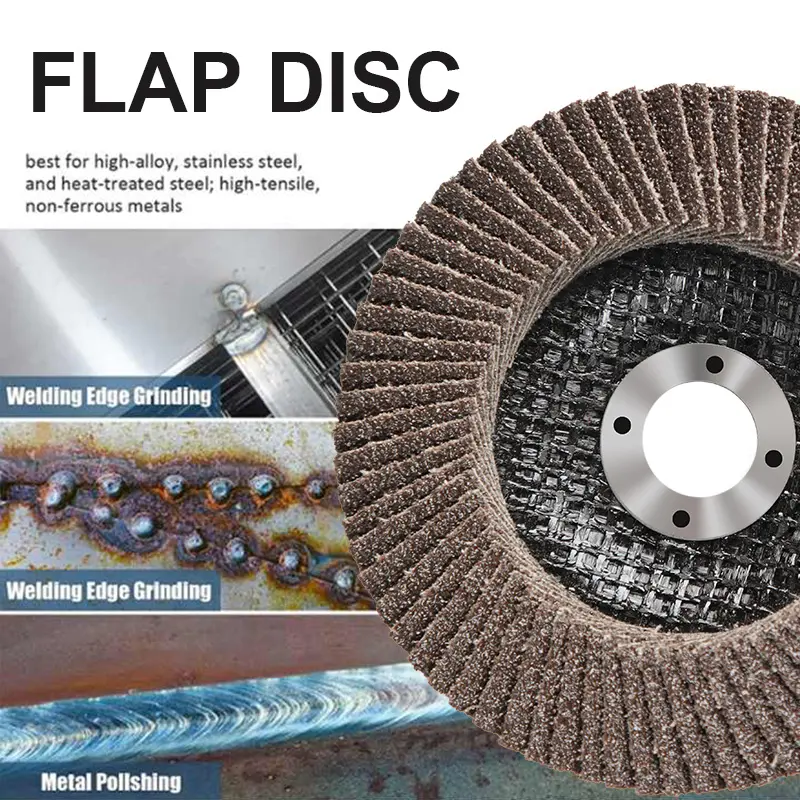
ການເລືອກວັດຖຸທີ່ໃຊ້ເພື່ອຂັດແມ່ນເປັນພື້ນຖານຂອງປະສິດທິພາບຂອງຈານຂັດໃນການນຳໃຊ້ດ້ານວິສະວະກຳທີ່ຕ້ອງການຄວາມຖືກຕ້ອງສູງ. ວັດຖຸທີ່ໃຊ້ເພື່ອຂັດທີ່ນິຍົມໃຊ້ມີດັ່ງຕໍ່ໄປນີ້: ອາລູມິເນີ້ມອັກຊີໄດ (aluminum oxide) ເຊິ່ງເຮັດວຽກໄດ້ດີເລີດໃນການຂັດເຫຼັກທີ່ມີຄວາມເຂັ້ມແຂງຕ່ຳ, ເຫຼັກທີ່ບໍ່ເກີດສະຫຼາກ, ແລະ ເຫຼັກທີ່ບໍ່ມີເຫຼັກແຕ່ມີຄວາມເຂັ້ມແຂງສູງ—ເຊິ່ງເປັນວັດຖຸທີ່ນິຍົມໃຊ້ຢ່າງກວ້າງຂວາງໃນການຜະລິດທີ່ຕ້ອງການຄວາມຖືກຕ້ອງສູງ. ຈານຂັດທີ່ເຮັດຈາກອາລູມິເນີ້ມອັກຊີໄດ ມີຄວາມຕ້ານທານຕໍ່ການສຶກຫຼຸດທີ່ດີເລີດ ແລະ ມີການຕັດທີ່ສອດຄ່ອງກັນ, ເຮັດໃຫ້ເປັນທາງເລືອກທີ່ເໝາະສົມທີ່ສຸດສຳລັບການບັນລຸຜິວທີ່ເລືອກທີ່ເລີຍເລີຍເທິງຊິ້ນສ່ວນທີ່ເຮັດຈາກເຫຼັກທີ່ມີຄວາມຖືກຕ້ອງສູງ. ສຳລັບວັດຖຸທີ່ແຂງກວ່າເຊັ່ນ: ເຫຼັກທີ່ໄດ້ຮັບການປັບປຸງດ້ວຍຄວາມຮ້ອນ ແລະ ເຫຼັກທີ່ມີສ່ວນປະກອບທີ່ມີຄວາມແຂງສູງ, ວັດຖຸທີ່ໃຊ້ເພື່ອຂັດທີ່ເຮັດຈາກເຊລາມິກ-ອາລູມິນາ (ceramic alumina) ແລະ ເຊີໂຄເນຍ-ອາລູມິນາ (zirconia alumina) ຈະຖືກເລືອກໃຊ້ເປັນອັນດັບທຳອິດ; ເຊລາມິກ-ອາລູມິນາ ສາມາດຂັດໄດ້ຢ່າງເຢັນ, ລົດຜົນກະທົບຈາກຄວາມຮ້ອນທີ່ເກີດຂື້ນໃນເຂດທີ່ຖືກຂັດ (heat-affected zones) ເຊິ່ງອາດຈະເຮັດໃຫ້ຄວາມເຂັ້ມແຂງຂອງຊິ້ນສ່ວນທີ່ຕ້ອງການຄວາມຖືກຕ້ອງສູງເສຍຫາຍໄດ້, ໃນຂະນະທີ່ເຊີໂຄເນຍ-ອາລູມິນາ ສາມາດໃຊ້ງານໄດ້ດົນກວ່າ, ຊ່ວຍຫຼຸດເວລາທີ່ຕ້ອງຢຸດການຜະລິດໃນການຜະລິດຈຳນວນຫຼາຍທີ່ຕ້ອງການຄວາມຖືກຕ້ອງສູງ. ບໍລິສັດ Shandong Dongtai Abrasives ໄດ້ນຳເອົາວັດຖຸທີ່ໃຊ້ເພື່ອຂັດທີ່ມີປະສິດທິພາບສູງເຫຼົ່ານີ້ມາໃຊ້ໃນການຜະລິດຈານຂັດຂອງຕົນ, ເພື່ອໃຫ້ແຕ່ລະຜະລິດຕະພັນຖືກອອກແບບໃຫ້ເໝາະສົມຕາມຄວາມຕ້ອງການຂອງວັດຖຸທີ່ໃຊ້ໃນວິສະວະກຳທີ່ຕ້ອງການຄວາມຖືກຕ້ອງສູງ.
ຂະໜາດເມັດທราย ແລະ ພື້ນຜິວສຳເລັດ
ຂະໜາດເມັດທรายມີຜົນກະທົບໂດຍກົງຕໍ່ຄຸນນະສົມບັດຂອງພື້ນຜິວ (Ra) ແລະ ອັດຕາການຖອດວັດສະດຸອອກໃນການຂັດທີ່ມີຄວາມແນ່ນອນສູງ, ເຊິ່ງເປັນເລື່ອງທີ່ສຳຄັນຫຼາຍໃນການນຳໃຊ້ດ້ານວິສະວະກຳ ໂດຍທີ່ຄຸນນະພາບຂອງພື້ນຜິວມີຄວາມສຳຄັນເທົ່າກັບຄວາມຖືກຕ້ອງຂອງຂະໜາດ. ຂະໜາດເມັດທรายທີ່ໃຊ້ຢ່າງກວ້າງຂວາງທີ່ສຸດໃນການຂັດເຫຼັກໃນດ້ານວິສະວະກຳທີ່ມີຄວາມແນ່ນອນສູງແມ່ນຢູ່ໃນໄລຍະ 24 ຫາ 120: ເມັດທรายທີ່ມີຂະໜາດໃຫຍ່ (24–40) ຊ່ວຍໃຫ້ຖອດວັດສະດຸອອກໄດ້ຢ່າງໄວວາ ເພື່ອຮູບຮ່າງເບື້ອງຕົ້ນຂອງຊິ້ນສ່ວນ, ໃນຂະນະທີ່ເມັດທรายທີ່ມີຂະໜາດນ້ອຍ (80–120) ສາມາດໃຫ້ຜິວທີ່ເລືອມລຽບຢ່າງຍິ່ງໃນຊິ້ນສ່ວນທີ່ຕ້ອງການຄວາມແນ່ນອນສູງເຊັ່ນ: ວາວທີ່ໃຊ້ໃນລະບົບໄຮໂດຣລິກ ແລະ ເຄື່ອງມືທາງການແພດ. ການເລືອກຂະໜາດເມັດທรายທີ່ເໝາະສົມຈະເຮັດໃຫ້ເກີດຄວາມສົມດຸນລະຫວ່າງປະສິດທິພາບ ແລະ ຄວາມແນ່ນອນ, ເຊິ່ງເປັນສິ່ງທີ່ວິສະວະກອນດ້ານຄວາມແນ່ນອນຈະຕ້ອງຄຳນຶງເຖິງເພື່ອບັນລຸເຖິງເປົ້າໝາຍໃນການຜະລິດໂດຍບໍ່ຕ້ອງເສຍເຄື່ອຄຸນນະພາບ. ວົງຈື່ຂັດທີ່ມີຄຸນນະພາບສູງຈະຮັກສາການຈັດຈຳຫຼາຍຂອງເມັດທราย ແລະ ຄວາມເຂັ້ມແຂງຂອງວັດສະດຸທີ່ໃຊ້ເຊື່ອມຕໍ່ໄວ້ຢ່າງສົມໆເທົ່າກັນ, ເພື່ອໃຫ້ຮັກສາຄຸນສົມບັດຂອງຂະໜາດເມັດທรายທີ່ຕ້ອງການໄວ້ໄດ້ຢ່າງຕໍ່ເນື່ອງຕະຫຼອດອາຍຸການຂອງເຄື່ອງມື, ເຖິງແມ່ນຈະຖືກນຳໃຊ້ຊ້ຳຄັ້ງ.
ວັດສະດຸທີ່ໃຊ້ເຊື່ອມຕໍ່ ແລະ ຄວາມເຂັ້ມແຂງຂອງໂຄງສ້າງ
ຕົວແທນທີ່ໃຊ້ເຊື່ອມຕໍ່ເມັດທີ່ໃຊ້ເພື່ອຂັດ (abrasive grains) ເຂົ້າດ້ວຍກັນ ແມ່ນມີຄວາມສຳຄັນຢ່າງຍິ່ງຕໍ່ຄວາມເຂັ້ມແຂງຂອງໂຄງສ້າງຂອງລໍ້ຂັດ (grinding wheel) ໂດຍເປີດເຜີຍເປັນພິເສດໃນດ້ານວິສະວະກຳທີ່ຕ້ອງການຄວາມຖືກຕ້ອງສູງ (precision engineering) ໂດຍທີ່ການສັ່ນໄຫວ ແລະ ຄວາມໄວໃນການປັ່ນ (rotational speeds) ສູງເກີດຂຶ້ນເປັນປົກກະຕິ. ຕົວແທນທີ່ເຂັ້ມແຂງ ແລະ ມີຄວາມໝັ້ນຄົງຈະຊ່ວຍປ້ອງກັນການສູນເສຍເມັດທີ່ໃຊ້ເພື່ອຂັດ ແລະ ຮັບປະກັນວ່າລໍ້ຂັດຈະຮັກສາຮູບຮ່າງຂອງມັນໄວ້ໃນສະພາບການໃຊ້ງານທີ່ຮຸນແຮງທີ່ສຸດ, ເພື່ອຫຼີກລ່ຽງຄວາມບໍ່ຖືກຕ້ອງຂອງຂະໜາດໃນຊິ້ນງານ. ນອກຈາກນີ້, ເຕັກໂນໂລຊີການເຊື່ອມຕໍ່ທີ່ທັນສະໄໝຍັງເຮັດໃຫ້ເກີດເປັນເຄືອບຕ້ານການອຸດຕັນ (anti-clogging coatings) ໃນຮູບແບບ 3D ໃສ່ລໍ້ຂັດ, ເຊິ່ງເປັນຄຸນລັກສະນະທີ່ເຮັດໃຫ້ການປ່ອຍເຂົ້າ-ອອກຂອງເຂົ້າເຄື່ອງ (ash discharge performance) ດີຂຶ້ນ ແລະ ປ້ອງກັນການອຸດຕັນດ້ວຍຝຸ່ນໃນຊ່ອງຫວ່າງລະຫວ່າງເມັດ. ຄຸນລັກສະນະຕ້ານການອຸດຕັນນີ້ມີຄວາມສຳຄັນຢ່າງຍິ່ງຕໍ່ການຂັດທີ່ຕ້ອງການຄວາມຖືກຕ້ອງສູງ, ເນື່ອງຈາກລໍ້ຂັດທີ່ອຸດຕັນຈະເຮັດໃຫ້ເກີດການຖອດວັດສະດຸທີ່ບໍ່ເທົ່າທຽມກັນ, ຄວາມບໍ່ເລີຍຂອງເນື້ອໜ້າ ແລະ ການເກີດຄວາມຮ້ອນທີ່ເພີ່ມຂຶ້ນ. Shandong Dongtai Abrasives ໃຫ້ຄວາມສຳຄັນກັບການເຊື່ອມຕໍ່ທີ່ມີຄຸນນະພາບສູງໃນການຜະລິດລໍ້ຂັດຂອງຕົນ, ເພື່ອຮັບປະກັນວ່າລໍ້ຂັດແຕ່ລະອັນຈະຮັກສາຄວາມເຂັ້ມແຂງຂອງໂຄງສ້າງ ແລະ ຄວາມສາມາດໃນການໃຊ້ງານໄວ້ໄດ້ເຖິງແມ່ນວ່າຈະຢູ່ໃນສະພາບແວດລ້ອມດ້ານວິສະວະກຳທີ່ຕ້ອງການຄວາມຖືກຕ້ອງສູງທີ່ສຸດ.
ຄວາມສະຖຽນຂອງມິຕິ ແລະ ຄວາມປະສົບຜົນໃນການຫມຸນ
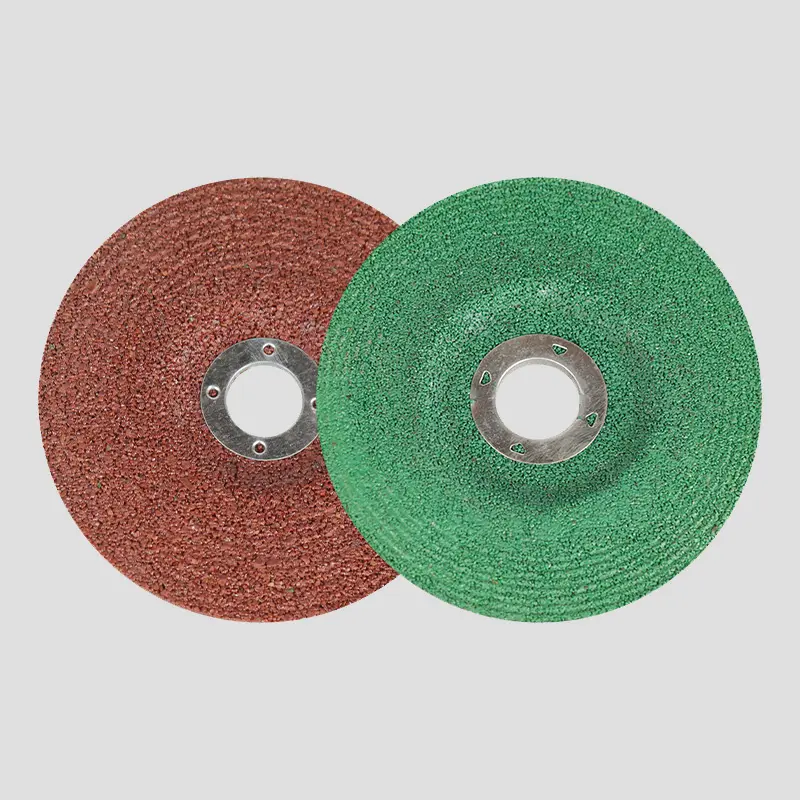
ການວິສະວະກຳທີ່ມີຄວາມຖືກຕ້ອງສູງຕ້ອງການຈານຂັດທີ່ມີຄວາມສະຖຽນຂອງມິຕິຢ່າງຍອດເຍື່ອມ ແລະ ຄວາມປະສົບຜົນທີ່ສົມໍ່າສະເໝີໃນການຫມຸນ. ຈານຂັດຕ້ອງຮັກສາເສັ້ນຜ່າສູນກາງ ແລະ ຄວາມໜາຂອງມັນໃຫ້ຖືກຕ້ອງຢ່າງແນ່ນອນ ແລະ ຮູບຮ່າງທີ່ຖືກຕ້ອງຢ່າງເຕັມທີ່ໃນຄວາມໄວ໌ສູງສຸດ—ເຊິ່ງມັກຈະບັນລຸເຖິງ 80 ແມັດຕີ/ວິນາທີ ຫຼື 15200 RPM ສຳລັບຈານຂັດທີ່ໃຊ້ໃນການຂັດເຫຼັກທົ່ວໄປ—ເພື່ອຮັບປະກັນການຂັດວັດຖຸຢ່າງສົມໍ່າສະເໝີທົ່ວທັງເຄື່ອງຊິ້ນສ່ວນ. ການບິດເບືອນ ຫຼື ການເຮັດໃຫ້ຮູບຮ່າງເສຍໄປຂອງຈານຈະນຳໄປສູ່ການຂັດທີ່ບໍ່ສົມໍ່າສະເໝີ ແລະ ການບໍ່ສາມາດບັນລຸເຖິງມາດຕະຖານຄວາມຖືກຕ້ອງທີ່ຕ້ອງການ. ຈານຂັດທີ່ມີຄຸນນະພາບສູງຖືກຜະລິດດ້ວຍຄວາມຖືກຕ້ອງຂອງມິຕິທີ່ເຂັ້ມງວດ ແລະ ຜ່ານການກວດສອບຄຸນນະພາບຢ່າງເຂັ້ມງວດເພື່ອບັນລຸມາດຕະຖານສາກົນ ເຊິ່ງຮັບປະກັນວ່າຈະປະຕິບັດງານໄດ້ຢ່າງເຊື່ອຖືໄດ້ໃນຄວາມໄວ໌ການຫມຸນທີ່ຕ້ອງການສຳລັບການວິສະວະກຳທີ່ມີຄວາມຖືກຕ້ອງສູງ ເຊັ່ນ: ການຂັດແຖວຂອງການເຊື່ອມ ແລະ ການຂັດເງົາເຫຼັກ.
ການນຳໃຊ້ຈານຂັດໃນເຂດວິສະວະກຳທີ່ມີຄວາມຖືກຕ້ອງສູງ
ການຜະລິດຊິ້ນສ່ວນທີ່ມີຄວາມຖືກຕ້ອງສູງໃນອຸດສາຫະກຳການບິນ-ອາວະກາດ
ອຸດສາຫະກຳອາວະກາດເປັນມາດຕະຖານທີ່ສູງທີ່ສຸດສຳລັບວິສະວະກຳຄວາມແທ້ຈິງ, ດ້ວຍຊິ້ນສ່ວນທີ່ຕ້ອງການຄວາມຖືກຕ້ອງໃນລະດັບໄມໂຄຣນ ແລະ ຄວາມຕ້ານທານຕໍ່ອຸນຫະພູມທີ່ຮຸນແຮງ ແລະ ຄວາມເຄັ່ນຂັ້ນສູງ. ວົງຈັນຂັດຖືກນຳໃຊ້ຢ່າງກວ້າງຂວາງໃນການຂຶ້ນຮູບ ແລະ ປັບປຸງຊິ້ນສ່ວນອາວະກາດເຊັ່ນ: ແຜ່ນພັດລະມີທີ່ໃຊ້ໃນເຄື່ອງຈັກທີ່ຂັບເຄື່ອນດ້ວຍທົງ, ເຄື່ອງຫໍ້ເຄື່ອງຈັກ, ແລະ ສ່ວນປະກອບຂອງລໍ້ບິນ. ຊິ້ນສ່ວນເຫຼົ່ານີ້ມັກຖືກຜະລິດຈາກເຫຼັກທີ່ມີສ່ວນປະກອບທີ່ມີຄວາມເຂັ້ມແຂງສູງ ແລະ ເຫຼັກທີ່ໄດ້ຮັບການປັບປຸງດ້ວຍຄວາມຮ້ອນ, ຈຶ່ງຕ້ອງການວົງຈັນຂັດທີ່ມີຄຸນສົມບັດເຢັນໃນເວລາຂັດ ແລະ ມີຄວາມຕ້ານທານຕໍ່ການສຶກຫຼຸດສູງເພື່ອຫຼີກເວັ້ນການເສຍຫາຍຂອງວັດສະດຸ ແລະ ຮັບປະກັນຄວາມເຂັ້ມແຂງຂອງໂຄງສ້າງ. ວົງຈັນຂັດທີ່ເຮັດຈາກເຊີເລມິກ-ອາລູມິນາເປັນທາງເລືອກທີ່ນິຍົມໃຊ້ທີ່ສຸດສຳລັບການຂັດທີ່ມີຄວາມແທ້ຈິງສູງໃນອຸດສາຫະກຳອາວະກາດ, ເນື່ອງຈາກມັນຫຼຸດຜ່ອນເຂດທີ່ຖືກຜົນກະທົບຈາກຄວາມຮ້ອນ ແລະ ສາມາດຂັດວັດສະດຸອອກໄດ້ຢ່າງຖືກຕ້ອງ ເພື່ອໃຫ້ໄດ້ຊິ້ນສ່ວນອາວະກາດທີ່ມີຄວາມສັບສົນ ແລະ ມີຄວາມແທ້ຈິງສູງ.
ວິສະວະກຳຄວາມແທ້ຈິງຂອງອຸດສາຫະກຳລົດ
ການຜະລິດຢານຍນຕະຫຼອດໄປອີງໃສ່ວິສະວະກຳຄວາມແທ້ຈິງເພື່ອຜະລິດຊິ້ນສ່ວນທີ່ຮັບປະກັນຄວາມປອດໄພ, ຄວາມສາມາດໃນການຂັບຂີ່ ແລະ ປະສິດທິພາບດ້ານເຊື້ອເພີງຂອງຢານ. ຈາກເຊືອກເຄື່ອນເຄື່ອງຈັກ ແລະ ເຊືອກເຄື່ອນລໍ້ກະໂດດ ໄປຫາຈານເບີກ (brake rotors) ແລະ ສ່ວນປະກອບຂອງກ່ອງເກີບເກີບ (transmission parts), ມີການນຳໃຊ້ຈານຂັດ (grinding wheels) ໃນການປຸງແຕ່ງສຸດທ້າຍຂອງຊິ້ນສ່ວນທີ່ສຳຄັນເຫຼົ່ານີ້. ຈານຂັດທີ່ເຮັດຈາກອາລູມິເນີ້ມອັກໄຊດ໌ (aluminum oxide grinding wheels) ແມ່ນຖືກນຳໃຊ້ຢ່າງກວ້າງຂວາງໃນການຂັດເຫຼັກທີ່ມີຄວາມອ່ອນ (mild steel) ແລະ ເຫຼັກທີ່ບໍ່ເປື່ອຍ (stainless steel) ສຳລັບຢານ, ໃນຂະນະທີ່ຈານຂັດທີ່ເຮັດຈາກ zirconia alumina ແມ່ນຖືກນຳໃຊ້ໃນການຜະລິດໃນປະລິມານຫຼາຍເນື່ອງຈາກອາຍຸການໃຊ້ງານທີ່ຍາວນານ. ການຂັດແຖວເຊື່ອມ (welding edge grinding), ເຊິ່ງເປັນຂະບວນການທີ່ສຳຄັນໃນການປະກອບຊິ້ນສ່ວນຢານ, ກໍຍັງອີງໃສ່ຈານຂັດທີ່ມີຄຸນນະພາບສູງເພື່ອສ້າງແຖວເຊື່ອມທີ່ເລືອນລ້ຽນ ແລະ ມີຄວາມແທ້ຈິງຕາມມາດຕະຖານດ້ານໂຄງສ້າງ ແລະ ຄວາມງາມ. ຄວາມສາມາດຂອງຈານຂັດໃນການໃຫ້ຜົນໄດ້ຮັບທີ່ສອດຄ່ອງກັນໃນຂະນະທີ່ຜະລິດໃນປະລິມານຫຼາຍ ໄດ້ເຮັດໃຫ້ມັນເປັນສິ່ງຈຳເປັນຕໍ່ອຸດສາຫະກຳຢານໃນການຜະລິດຊິ້ນສ່ວນທີ່ມີຄວາມແທ້ຈິງໃນປະລິມານຫຼາຍ.
ການຜະລິດອຸປະກອນການແພດ
ການຜະລິດອຸປະກອນທາງການແພດຕ້ອງການຄວາມຖືກຕ້ອງສູງສຸດ ແລະ ຄວາມເຂົ້າກັນໄດ້ທາງຊີວະພາບ, ໂດຍສ່ວນປະກອບຕ່າງໆ ເຊັ່ນ: ເຄື່ອງມືຜ່າຕັດ, ອຸປະກອນທີ່ຝັງໃນຮ່າງກາຍ, ແລະ ອຸປະກອນວິເຄາະ ຕ້ອງມີຜິວໜ້າທີ່ບໍ່ມີຂໍ້ບົກບ່ອນ ແລະ ຄວາມຖືກຕ້ອງທາງມິຕິຢ່າງແທ້ຈິງ. ວົງລໍ້ຂັດຖືກນຳໃຊ້ເພື່ອຂັດແລະຂັດເງົາສ່ວນປະກອບທີ່ເຮັດຈາກເຫຼັກສະແຕນເລດ ແລະ ໂທເລເນີຽມທີ່ໃຊ້ໃນດ້ານການແພດ, ໂດຍເຖິງແມ່ນວ່າຂໍ້ບົກບ່ອນເລັກນ້ອຍທີ່ສຸດໃນຜິວໜ້າກໍອາດເຮັດໃຫ້ເກີດການຕິດເຊື້ອ ຫຼື ອຸປະກອນລົ້ມເຫຼວໄດ້. ວົງລໍ້ຂັດທີ່ມີຄວາມບາງ (80–120) ຖືກນຳໃຊ້ໃນຂະແໜງນີ້ເພື່ອບັນລຸຄ່າ Ra ທີ່ເລືອກໄດ້ຢ່າງລຽບງ່າຍເປັນພິເສດ ສຳລັບອຸປະກອນທາງການແພດ, ແລະ ວັດສະດຸຂັດທີ່ຕັດດ້ວຍຄວາມເຢັນຈະປ້ອງກັນບໍ່ໃຫ້ເກີດຄວາມເສຍຫາຍຈາກຄວາມຮ້ອນຕໍ່ເຮືອງທີ່ເຂົ້າກັນໄດ້ທາງຊີວະພາບ. ຄວາມຖືກຕ້ອງ ແລະ ຄວາມເຊື່ອຖືໄດ້ຂອງວົງລໍ້ຂັດ ຮັບປະກັນວ່າອຸປະກອນທາງການແພດຈະສອດຄ່ອງກັບມາດຕະຖານດ້ານການຄຸມຄຸມທີ່ເຂັ້ມງວດຂອງອຳນາດການສຸຂະພາບທົ່ວໂລກ.
ວິສະວະກຳດ້ານເອເລັກໂທຣນິກ ແລະ ມີຄວາມຖືກຕ້ອງສູງ
ການເຄື່ອນໄຫວຂອງອຸດສາຫະກຳເອເລັກໂຕຣນິກເພື່ອໃຫ້ຜະລິດຕະພັນມີຂະໜາດນ້ອຍລง ໄດ້ເຮັດໃຫ້ຄວາມຕ້ອງການດ້ານວິສາວະກຳຄວາມຖືກຕ້ອງຢ່າງເປັນຈັງຫວะເພີ່ມຂຶ້ນ ໂດຍທີ່ຊິ້ນສ່ວນຕ່າງໆມີຂະໜາດວັດແທກເປັນມີລີແມັດ ແລະ ເຖິງແຕ່ມີການວັດແທກເປັນໄມໂຄຣເມັດ. ມີການນຳໃຊ້ຈານຂັດທີ່ມີຄວາມບາດຫຼຸ່ມຂອງເມັດທີ່ບາດຫຼຸ່ມຫຼາຍເປັນຢ່າງຍິ່ງ ແລະ ມີຄວາມສະຖຽນທາງດ້ານຂະໜາດທີ່ຖືກຕ້ອງຢ່າງເປັນຈັງຫວະ ເພື່ອປັ້ນຮູບແລະປັບປຸງຊິ້ນສ່ວນເອເລັກໂຕຣນິກເຊັ່ນ: ສ່ວນປະກອບເຊມີຄອນດູເຕີ, ພື້ນຖານຂອງບໍດເວີເຄີດ (circuit board substrates) ແລະ ຕົວຕິດຕໍ່ (connector pins). ການນຳໃຊ້ເຫຼົ່ານີ້ຕ້ອງການຈານຂັດທີ່ສາມາດຂັດວັດຖຸອອກໄດ້ຢ່າງບາງເບົາ ໂດຍບໍ່ເຮັດໃຫ້ເກີດແຕກເປືອຍນ້ອຍໆ ຫຼື ອາການເສຍຫາຍທີ່ເກີດຂື້ນຕໍ່ໜ້າພື້ນຜິວ, ດັ່ງນັ້ນຄຸນນະພາບ ແລະ ຄວາມເປັນເອກະພາບຂອງເມັດຂັດ ແລະ ວັດຖຸທີ່ໃຊ້ເຊື່ອມຕໍ່ (bonding agent) ຈຶ່ງມີຄວາມສຳຄັນຢ່າງຍິ່ງ. ຈານຂັດທີ່ມີຄວາມຖືກຕ້ອງສູງຊ່ວຍໃຫ້ສາມາດຜະລິດຊິ້ນສ່ວນຂະໜາດນ້ອຍທີ່ເປັນພື້ນຖານຂອງເອເລັກໂຕຣນິກທີ່ທັນສະໄໝ ເລີ່ມຈາກໂທລະສັບມືຖື ຈົນເຖິງລະບົບຄວບຄຸມອຸດສາຫະກຳ.
ການປັບປຸງປະສິດທິພາບຂອງຈານຂັດສຳລັບວິສາວະກຳຄວາມຖືກຕ້ອງ
ການດູແລຈານຂັດຢ່າງເໝາະສົມ
ການດູແລລໍ້ຂອງເຄື່ອງຂັດແມ່ນມີຄວາມສຳຄັນຢ່າງຍິ່ງໃນການຮັກສາປະສິດທິພາບຂອງມັນ ແລະ ຍືດເວລາໃຊ້ງານໃຫ້ຍາວນານຂຶ້ນໃນການນຳໃຊ້ດ້ານວິສະວະກຳທີ່ຕ້ອງການຄວາມຖືກຕ້ອງສູງ, ໂດຍການດູແລທີ່ຖືກຕ້ອງສາມາດເພີ່ມອາຍຸການໃຊ້ງານໄດ້ເຖິງ 30% ແລະ ຫຼຸດເວລາທີ່ເຄື່ອງຈັກຢຸດເຮັດວຽກໃນການຜະລິດໄດ້ຢ່າງມີນັກ. ການປັບລໍ້ຂອງເຄື່ອງຂັດຢ່າງເປັນປະຈຳຈະຊ່ວຍຂັບເອົາສ່ວນທີ່ເປື່ອຍຫຼຸດຄຸນນະພາບຂອງວັດສະດຸຂັດອອກ ແລະ ຟື້ນຟູພື້ນທີ່ຂັດຂອງລໍ້ໃຫ້ຄືນມາໃຊ້ງານໄດ້ດີ, ເພື່ອຮັບປະກັນການຂັດວັດສະດຸໄດ້ຢ່າງເປັນປະກົດ ແລະ ມີຄຸນນະພາບພື້ນຜິວທີ່ສອດຄ່ອງກັນ. ການເຢັນລໍ້ໃນເວລາໃຊ້ງານກໍເປັນສິ່ງທີ່ສຳຄັນເຊັ່ນດຽວກັນ, ເນື່ອງຈາກຄວາມຮ້ອນທີ່ເກີດຂຶ້ນຫຼາຍເກີນໄປສາມາດເຮັດໃຫ້ລໍ້ຂະຫຍາຍຕัว, ສົ່ງຜົນໃຫ້ເກີດຄວາມບໍ່ຖືກຕ້ອງດ້ານຂະໜາດ ແລະ ອາດເຮັດໃຫ້ວັດສະດຸທີ່ກຳລັງຂັດເສຍຫາຍໄດ້. ນອກຈາກນີ້, ການເກັບຮັກສາລໍ້ຂອງເຄື່ອງຂັດໃຫ້ຫ່າງຈາກຄວາມຊື້ນ ແລະ ອຸນຫະພູມທີ່ເກີນໄປ (ທັງສູງ ແລະ ຕ່ຳ) ຈະຊ່ວຍປ້ອງກັນການເສື່ອມສະພາບຂອງວັດສະດຸທີ່ໃຊ້ເຊື່ອມຕໍ່ ແລະ ຄວາມເສຍຫາຍທາງໂຄງສ້າງ, ເພື່ອໃຫ້ລໍ້ຢູ່ໃນສະພາບທີ່ດີທີ່ສຸດເມື່ອນຳໄປໃຊ້ໃນການຂັດທີ່ຕ້ອງການຄວາມຖືກຕ້ອງສູງ. ການກວດສອບເປັນປະຈຳເພື່ອຊອກຫາເສັ້ນແ cracks, ສ່ວນທີ່ຫັກ, ຫຼື ການເສື່ອມສະພາບກໍເປັນຂັ້ນຕອນທີ່ສຳຄັນອີກອັນໜຶ່ງໃນການດູແລ, ເນື່ອງຈາກລໍ້ທີ່ເສຍຫາຍອາດເປັນອັນຕະລາຍຕໍ່ຄວາມປອດໄພ ແລະ ສາມາດສົ່ງຜົນໃຫ້ຜົນໄດ້ຮັບທີ່ບໍ່ຖືກຕ້ອງດ້ານຄວາມຖືກຕ້ອງ.
ການເລືອກຈານຂັດທີ່ເໝາະສົມສຳລັບງານ
ການເລືອກຈານຂັດທີ່ເໝາະສົມສຳລັບງານວິສະວະກຳຄວາມຖືກຕ້ອງສະເພາະແຕ່ລະດ້ານ ແມ່ນຂັ້ນຕອນທີ່ສຳຄັນຫຼາຍໃນການປັບປຸງປະສິດທິພາບ. ປັດໄຈຕ່າງໆ ເຊັ່ນ: ວັດຖຸທີ່ຈະຂັດ, ຄຸນນະສົມບັດທີ່ຕ້ອງການຂອງພື້ນຜິວ, ອັດຕາການຂັດວັດຖຸອອກ, ແລະ ປະລິມານການຜະລິດ ລ້ວນມີຜົນຕໍ່ຂະບວນການເລືອກ. ຕົວຢ່າງເຊັ່ນ: ໃນການຂັດເຫຼັກສະລີນ, ຈານຂັດປະເພດ ceramic alumina flap discs ຖືກເລືອກໃຊ້ເປັນພິເສດເນື່ອງຈາກຄຸນສົມບັດຂອງມັນໃນການຂັດທີ່ບໍ່ເຮັດໃຫ້ວັດຖຸຮ້ອນ, ໃນຂະນະທີ່ຈານຂັດ zirconia alumina ຖືກເລືອກໃຊ້ສຳລັບການໃຊ້ງານທີ່ຕ້ອງການອາຍຸການໃຊ້ງານຍາວນານກັບເຫຼັກທີ່ມີອະລໍຢີ່ສູງ. ສຳລັບການຂັດຮູບເບື້ອງຂອງວັດຖຸເຫຼັກທີ່ມີຄາບອ່ອນ (mild steel), ຈານຂັດ aluminum oxide ທີ່ມີຄວາມຖີ່ຂັດ (grit) ແຕກຕ່ຳ (coarser grit) ແມ່ນມີປະສິດທິພາບສູງສຸດ, ໃນຂະນະທີ່ຈານຂັດທີ່ມີຄວາມຖີ່ຂັດ (grit) ສູງກວ່າ (finer grit) ຈະຖືກນຳໃຊ້ໃນຂັ້ນຕອນສຸດທ້າຍເພື່ອບັນລຸຄຸນນະສົມບັດທີ່ຕ້ອງການຂອງພື້ນຜິວດ້ວຍຄວາມຖືກຕ້ອງສູງ. ການຮ່ວມມືກັບຜູ້ຜະລິດວັດສະດຸຂັດທີ່ມີຊື່ສຽງເຊັ່ນ: Shandong Dongtai Abrasives ຈະຮັບປະກັນວ່າທ່ານຈະໄດ້ຮັບຄຳແນະນຳທີ່ຊຳນິຊຳນານດ້ານການເລືອກຈານຂັດ, ແລະ ການຈັບຄູ່ເຄື່ອງມືທີ່ເໝາະສົມກັບຄວາມຕ້ອງການທີ່ເປັນເອກະລັກຂອງແຕ່ລະການນຳໃຊ້ດ້ານວິສະວະກຳຄວາມຖືກຕ້ອງ.
ການປະຕິບັດຕາມວິທີການດຳເນີນງານທີ່ດີທີ່ສຸດ
ແຖບຂັດທີ່ມີຄຸນນະພາບສູງທີ່ສຸດກໍຈະບໍ່ໃຫ້ຜົນໄດ້ຮັບທີ່ດີເທົ່າທີ່ຄວນ ຖ້າບໍ່ໄດ້ນຳໃຊ້ຕາມວິທີການດຳເນີນງານທີ່ດີທີ່ສຸດໃນດ້ານວິສະວະກຳຄວາມແນ່ນອນ. ການຮັກສາຄວາມໄວ່ໃນການປັ່ນທີ່ຖືກຕ້ອງສຳລັບແຖບຂັດ—ໂດຍຕ້ອງເທົ່າກັບຄວາມໄວ່ສູງສຸດທີ່ຜູ້ຜະລິດໄດ້ກຳນົດ—ຈະຊ່ວຍປ້ອງກັນການເສຍຫາຍຂອງແຖບຂັດ ແລະ ຮັບປະກັນການຂັດທີ່ເປັນເອກະພາບ. ການຄວບຄຸມອັດຕາການປ້ອນ (feed rate) ແລະ ຄວາມກົດດັນໃນເວລາຂັດກໍເປັນສິ່ງທີ່ສຳຄັນເຊັ່ນດຽວກັນ: ຄວາມກົດດັນທີ່ຫຼາຍເກີນໄປອາດເຮັດໃຫ້ແຖບຂັດສຶກຫຼຸດຢ່າງໄວວ່າ ແລະ ສ້າງຄວາມຮ້ອນເກີນໄປ, ໃນຂະນະທີ່ຄວາມກົດດັນທີ່ບໍ່ພໍເທົ່າໃດຈະເຮັດໃຫ້ການຖອດວັດຖຸອອກຊ້າ ແລະ ຜົນໄດ້ຮັບບໍ່ເປັນເອກະພາບ. ນອກຈາກນີ້, ການນຳໃຊ້ລະບົບການເກັບຝຸ່ນ (ເຊັ່ນ: ຈານຂັດທີ່ມີຮູ 10 ຮູເພື່ອການດຶງຝຸ່ນອອກ) ຈະຮັກສາເຂດຂັດໃຫ້ສະອາດ, ເພື່ອປ້ອງກັນບໍ່ໃຫ້ຝຸ່ນອຸດຕັນແຖບຂັດ ແລະ ບັງຄັບຜົນສຳເລັດຂອງພື້ນໜ້າ. ການຝຶກອົບຮົມຜູ້ປະຕິບັດງານໃນດ້ານເທັກນິກການຂັດທີ່ຖືກຕ້ອງ ແລະ ວິທີການຈັດການແຖບຂັດຢ່າງເໝາະສົມ ຍັງເປັນການເພີ່ມປະສິດທິພາບໃຫ້ດີຂຶ້ນອີກ, ເພື່ອໃຫ້ແນ່ໃຈວ່າ ຄວາມສາມາດທັງໝົດຂອງແຖບຂັດຈະຖືກນຳໃຊ້ຢ່າງເຕັມທີ່ໃນຂະບວນການວິສະວະກຳຄວາມແນ່ນອນ.
ອະນາຄົດຂອງຈານຂັດໃນດ້ານວິສະວະກຳຄວາມຖືກຕ້ອງ
ເນື່ອງຈາກວິສະວະກຳຄວາມຖືກຕ້ອງກຳລັງພັດທະນາຢ່າງຕໍ່ເນື່ອງຮ່ວມກັບຄວາມກ້າວໜ້າຂອງເຕັກໂນໂລຊີການຜະລິດເຊັ່ນ: ການພິມ 3D ແລະ ການກັດແບບ CNC, ບົດບາດຂອງຈານຂັດຈຶ່ງຖືກຄາດຫວັງວ່າຈະຂະຫຍາຍຕົວ ແລະ ປັບຕົວໃຫ້ເໝາະສົມ. ຄວາມຕ້ອງການສຳລັບຄວາມຖືກຕ້ອງທີ່ເຂັ້ມງວດຂຶ້ນ, ຮູບຮ່າງຂອງຊິ້ນສ່ວນທີ່ສັບສົນຂຶ້ນ ແລະ ວິທີການຜະລິດທີ່ຍືນຍົງ ໄດ້ກະຕຸ້ນການປະດິດສ້າງເຕັກໂນໂລຊີຂອງວັດສະດຸຂັດ. ຜູ້ຜະລິດເຊັ່ນ: Shandong Dongtai Abrasives ກຳລັງລົງທຶນໃນການປະດິດສ້າງເຕັກໂນໂລຊີຢ່າງຕໍ່ເນື່ອງເພື່ອພັດທະນາຈານຂັດລຸ້ນຕໍ່ໄປ ເຊິ່ງມີປະສິດທິພາບທີ່ດີຂຶ້ນ, ອາຍຸການໃຊ້ງານທີ່ຍາວນານຂຶ້ນ ແລະ ມີຜົນກະທົບຕໍ່ສິ່ງແວດລ້ອມທີ່ໜ້ອຍລົງ. ການປະດິດສ້າງເຫຼົ່ານີ້ປະກອບດ້ວຍ: ສູດຂອງວັດສະດຸຂັດທີ່ທັນສະໄໝ, ວັດສະດຸເຊື່ອມທີ່ເປັນມິດຕໍ່ສິ່ງແວດລ້ອມ ແລະ ຈານຂັດອັຈຈະລິຍະທີ່ມີເຊັນເຊີ້ນຟັງຊັນຝັງຢູ່ໃນຕົວ ເຊິ່ງສາມາດຕິດຕາມປະສິດທິພາບໃນເວລາຈິງ ເພື່ອໃຫ້ເກີດການບໍາລຸງຮັກສາແບບຄາດການໄດ້ ແລະ ສາມາດເພີ່ມປະສິດທິພາບຂະບວນການຂັດຄວາມຖືກຕ້ອງໃຫ້ດີຂຶ້ນອີກ.
ການເຄື່ອນໄຫວທົ່ວໂລກເພື່ອການຜະລິດທີ່ຍືນຍົງ ກໍຍັງກຳລັງປະກົດຮູບອະນາຄົດຂອງຈານຂັດໃນດ້ານວິສະວະກຳຄວາມຖືກຕ້ອງ. ຜູ້ຜະລິດວັດສະດຸຂັດກຳລັງພັດທະນາຜະລິດຕະພັນທີ່ໃຊ້ວັດຖຸດິບໜ້ອຍລົງ, ມີຄວາມສາມາດໃນການນຳໃຊ້ຄືນໄດ້ສູງຂຶ້ນ ແລະ ຜະລິດຂີ້ເຫຍື້ອໜ້ອຍລົງໃນຂະນະທີ່ຜະລິດ ແລະ ໃຊ້ງານ. ນອກຈາກນີ້ ຄວາມສາມາດໃນການຜະລິດຈານຂັດທີ່ປັບແຕ່ງຕາມຄວາມຕ້ອງການເປັນພິເສດຜ່ານການສັ່ງຊື້ຈາກຜູ້ຜະລິດຕົ້ນສັງກັດ (OEM) ຫຼື ຜູ້ຜະລິດຕາມການອອກແບບ (ODM) ອະນຸຍາດໃຫ້ບໍລິສັດວິສະວະກຳຄວາມຖືກຕ້ອງສາມາດເຂົ້າເຖິງເຄື່ອງມືທີ່ຖືກອອກແບບມາເພື່ອປັບໃຫ້ເຂົ້າກັບຂະບວນການຜະລິດທີ່ເປັນເອກະລັກຂອງພວກເຂົາ ເຊິ່ງຈະເຮັດໃຫ້ປະສິດທິພາບ ແລະ ຄວາມຖືກຕ້ອງດີຂຶ້ນອີກ.
"ເກີດຂຶ້ນໃນທິດຕາເວັນອອກ, ປະໂຫຍດຕໍ່ທັງໂລກ," ບໍລິສັດ Shandong Dongtai Abrasives ຍັງຄົງມີຄວາມມຸ່ງໝັ້ນທີ່ຈະສົ່ງເສີມອຸດສາຫະກຳເຄື່ອງຂັດທີ່ມີຊັ້ນຫຸ້ມທົ່ວໂລກ, ລວມທັງການພັດທະນາຈານຂັດທີ່ມີປະສິດທິພາບສູງສຳລັບວິສາຫະກິດດ້ານວິສະວະກຳຄວາມຖືກຕ້ອງ. ໂດຍມີການເນັ້ນໃສ່ການຄວບຄຸມຄຸນນະພາບຢ່າງເຂັ້ມງວດ, ອຸປະກອນອັດຕະໂນມັດທີ່ທັນສະໄໝ, ແລະ ທີມງານ R&D ທີ່ມືອາຊີບ, ບໍລິສັດນີ້ແມ່ນພ້ອມທີ່ຈະຕອບສະໜອງຄວາມຕ້ອງການທີ່ປ່ຽນແປງຢ່າງຕໍ່ເນື່ອງຂອງຜູ້ຜະລິດວິສາຫະກິດດ້ານວິສະວະກຳຄວາມຖືກຕ້ອງທົ່ວໂລກ, ໂດຍໃຫ້ເຄື່ອງມືຂັດທີ່ຈະຂັບເຄື່ອນສະຕາຍທີ່ມີຄວາມຖືກຕ້ອງສູງຂອງສະຕາຍໃໝ່.
ສະຫຼຸບ
ຈານຂັດເປັນສ່ວນປະກອບທີ່ບໍ່ສາມາດແທນທີ່ໄດ້ຂອງວິສະວະກຳຄວາມຖືກຕ້ອງສູງ, ເຊິ່ງເປັນພື້ນຖານໃນການຜະລິດຊິ້ນສ່ວນທີ່ມີຄຸນນະພາບສູງ ແລະ ຄວາມຖືກຕ້ອງສູງໃນທຸກໆອຸດສາຫະກຳທີ່ມີຄວາມຕ້ອງການສູງທີ່ສຸດ. ຈາກການເລືອກວັດສະດຸຂັດ ແລະ ຂະໜາດເມັດຂັດ ໄປຈົນເຖິງການດູແລ ແລະ ວິທີການດຳເນີນງານທີ່ເຮັດໃຫ້ປະສິດທິພາບດີທີ່ສຸດ, ທຸກໆດ້ານຂອງການໃຊ້ຈານຂັດຈະມີຜົນຕໍ່ຄວາມຖືກຕ້ອງ, ຄວາມສອດຄ່ອງ ແລະ ປະສິດທິພາບຂອງຂະບວນການຜະລິດທີ່ມີຄວາມຖືກຕ້ອງສູງ. ເປັນຜູ້ຜະລິດວັດສະດຸຂັດທີ່ມີຊື່ສຽງ, Shandong Dongtai Abrasives ເຂົ້າໃຈດີເຖິງຄວາມສຳຄັນຂອງຄວາມສຳພັນລະຫວ່າງຈານຂັດທີ່ມີຄຸນນະພາບສູງ ແລະ ຄວາມເປັນເລີດຂອງວິສະວະກຳຄວາມຖືກຕ້ອງສູງ, ແລະ ຄວາມມຸ່ງໝັ້ນຂອງບໍລິສັດຕໍ່ການປະດິດສ້າງເທັກໂນໂລຢີ ແລະ ການຄວບຄຸມຄຸນນະພາບຢ່າງເຂັ້ມງວດ ໄດ້ຮັບປະກັນວ່າຈານຂັດຂອງບໍລິສັດຈະບັນລຸມາດຕະຖານສາກົນຂອງອຸດສາຫະກຳວິສະວະກຳຄວາມຖືກຕ້ອງສູງ.
ເມື່ອວິສາຫະກຳດ້ານວິສະວະກຳຄວາມຖືກຕ້ອງສູງຍັງຄົງສືບຕໍ່ຂະຫຍາຍຂອບເຂດຂອງສິ່ງທີ່ເປັນໄປໄດ້ໃນການຜະລິດ, ການພັດທະນາເຕັກໂນໂລຊີຂອງຈານຂັດຈະຄົງຢູ່ໃນທິດທາງດຽວກັນຢ່າງຕໍ່ເນື່ອງ, ເພື່ອສະເໜີປະສິດທິພາບ, ຄວາມເຊື່ອຖືໄດ້ ແລະ ຄວາມຖືກຕ້ອງສູງທີ່ອຸດສາຫະກຳທີ່ທັນສະໄໝຕ້ອງການ. ສຳລັບຜູ້ຜະລິດວິສາຫະກຳດ້ານວິສະວະກຳຄວາມຖືກຕ້ອງສູງ, ການລົງທຶນໃນຈານຂັດທີ່ມີຄຸນນະພາບສູງ ແລະ ການນຳໃຊ້ຕາມວິທີທີ່ດີທີ່ສຸດ ບໍ່ແມ່ນພຽງແຕ່ການເລືອກເອົາເທົ່ານັ້ນ— ແຕ່ເປັນຄວາມຈຳເປັນເພື່ອບັນລຸມາດຕະຖານທີ່ຍອດເຍື່ອມ ເຊິ່ງເປັນຕົວກຳນົດຄວາມສຳເລັດໃນທັດສະນີການຜະລິດທົ່ວໂລກ.