EN
EN

Ключевая роль алмазных режущих инструментов при обработке твердых материалов
Алмазные режущие инструменты считаются эталоном качества при обработке твёрдых материалов в промышленном производстве, прецизионной инженерии и металлообработке — там, где традиционные абразивные инструменты оказываются неэффективными. Твёрдые материалы, включая высокоуглеродистую сталь, нержавеющую сталь, закалённую сталь, керамику и камень, требуют режущих инструментов с исключительной твёрдостью, износостойкостью и точностью резания; алмазные режущие инструменты отвечают всем этим требованиям, обеспечивая беспрецедентные эксплуатационные характеристики. Будучи ведущим производителем абразивных инструментов с покрытием и промышленных абразивных изделий, компания Shandong Dongtai Abrasives осознаёт критическую важность правильного применения алмазных режущих инструментов для достижения эффективной и высококачественной обработки твёрдых материалов. Независимо от того, требуется ли тяжёлая промышленная резка, прецизионное формообразование или финишная обработка, алмазные режущие инструменты кардинально меняют процесс обработки твёрдых материалов, превращая ранее сложные задачи в управляемые и точные операции. Правильное использование этих инструментов имеет ключевое значение не только для получения оптимальных результатов резания, но и для увеличения срока службы инструмента, сокращения простоев производства и минимизации отходов материала. В данном руководстве подробно рассматриваются основополагающие принципы и практические шаги по эффективному применению алмазных режущих инструментов при всех видах обработки твёрдых материалов: подбор инструмента, методы эксплуатации, техническое обслуживание и меры безопасности — всё это направлено на обеспечение стабильной и надёжной работы в каждом конкретном применении.
Ключевые соображения перед использованием алмазных режущих инструментов
Выбор подходящего алмазного режущего инструмента для обрабатываемого материала
Не все алмазные режущие инструменты одинаковы, и подбор инструмента под конкретный твёрдый материал, с которым предстоит работать, — это первый и наиболее важный шаг для успешного применения. Алмазные инструменты классифицируются по размеру алмазных зёрен, типу связки и геометрии инструмента; каждый из них предназначен для обработки определённого материала и выполнения конкретной режущей задачи. Для сверхтвёрдых материалов, таких как промышленная керамика и спечённый карбид, следует выбирать алмазные режущие инструменты с мелким размером зёрен и твёрдой связкой, что обеспечивает сохранение режущей кромки инструмента и устойчивость к износу при продолжительном контакте с материалом. Для твёрдых металлов, например высоколегированной стали и нержавеющей стали, оптимальным выбором является средний размер зёрен и полутвёрдая связка, обеспечивающие идеальный баланс между скоростью резания и стойкостью режущей кромки — что особенно важно как при черновом резании, так и при точной формообразующей обработке. Для природного и искусственного камня предпочтительны крупный размер зёрен и мягкая связка, поскольку они позволяют быстро удалять материал и способствуют само-заточке алмазных зёрен в процессе резания. Компания Shandong Dongtai Abrasives предлагает широкий ассортимент алмазных режущих инструментов, адаптированных под различные потребности в обработке твёрдых материалов; данные инструменты разработаны так, чтобы эффективно взаимодействовать с другими абразивными изделиями с покрытием, обеспечивая комплексное решение для обработки. Также крайне важно учитывать форму инструмента: от алмазных дисков для прямолинейного резания до алмазных фрез для сложной формообразующей обработки — конструкция инструмента должна соответствовать поставленной технологической задаче.
Оценка оборудования для обработки и рабочего пространства
Алмазные режущие инструменты работают на высоких скоростях и требуют совместимого технологического оборудования для обеспечения оптимальной производительности; поэтому оценка и подготовка станков являются важнейшим этапом перед началом эксплуатации. Убедитесь, что режущие станки — такие как угловые шлифмашины, дисковые пилы и системы ЧПУ для резки — находятся в исправном рабочем состоянии: двигатели функционируют нормально, шпиндели устойчивы, а направляющие для резки обеспечивают точность. Регулировка скорости оборудования должна быть возможна для соответствия рекомендованной частоте вращения алмазного режущего инструмента: чрезмерно высокая скорость может привести к перегреву и потере алмазных зёрен, тогда как слишком низкая скорость снижает эффективность резки и ухудшает качество поверхности. Например, стандартные алмазные режущие диски для обработки металлов показывают наилучшие результаты при частоте вращения до 15200 об/мин и линейной скорости 80 м/с, что соответствует промышленным стандартам скорости для абразивных инструментов с покрытием. Кроме того, подготовьте чистое и организованное рабочее место с достаточной вентиляцией и системами сбора пыли: алмазная резка твёрдых материалов образует мелкую пыль и отходы, которые могут забивать инструменты и оборудование, а также представлять угрозу для здоровья операторов. Многие современные алмазные режущие инструменты, включая те, которые комплектуются абразивными дисками с липучкой (Velcro), оснащены отверстиями для сбора пыли, что минимизирует её накопление; интеграция таких отверстий с централизованной системой удаления пыли по всему цеху обеспечивает безопасную и эффективную рабочую среду.
Подготовка заготовки для точной резки
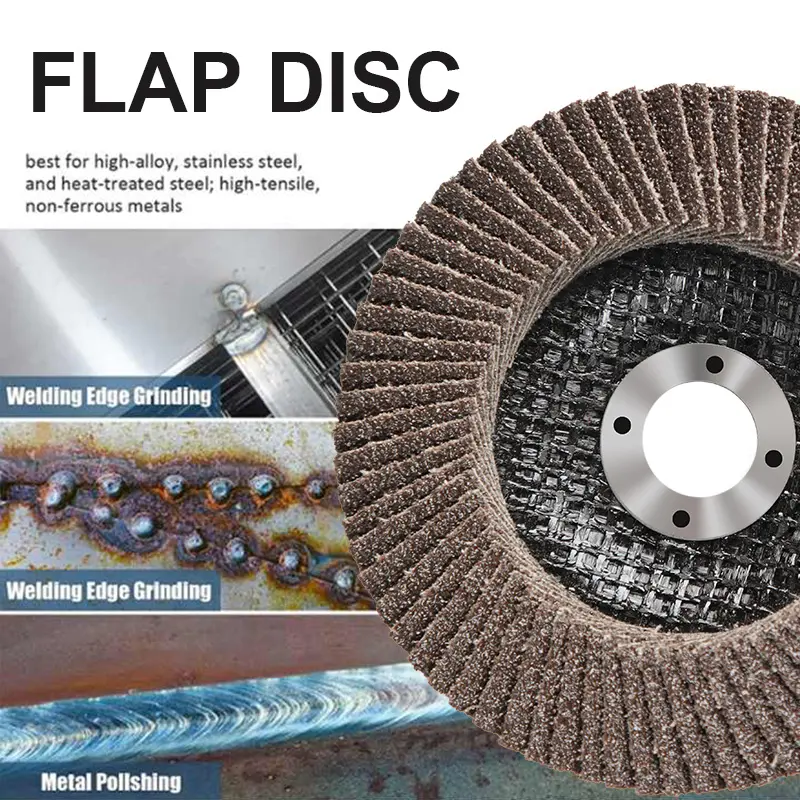
Правильная подготовка заготовки необходима для обеспечения чистых и точных разрезов при использовании алмазных режущих инструментов на твёрдых материалах. Начните с надёжного закрепления заготовки в тисках или с помощью зажимов, чтобы предотвратить её смещение во время резки: даже незначительные сдвиги могут привести к неровным разрезам, поломке инструмента и повреждению материала. Для крупных или неправильной формы твёрдых материалов используйте направляющие приспособления и специальные крепёжные устройства (джиги и фиксаторы), чтобы направлять режущий инструмент и поддерживать стабильную траекторию резания — это особенно важно для применений в прецизионной инженерии. Далее очистите поверхность заготовки от пыли, ржавчины, масла или других загрязнений: такие примеси могут затупить алмазное режущее лезвие и вызвать неравномерное резание. Для заготовок из твёрдых металлов, например из нержавеющей стали и высоколегированных сталей, при необходимости предварительно обработайте участок резания — например, удалите брызги сварки абразивным кругом-чашкой (флап-диском), чтобы создать ровную исходную поверхность для алмазного режущего инструмента. Чётко обозначьте линию реза постоянным маркером или чертилкой, используя линейку для прямых разрезов, чтобы инструмент точно следовал заданной траектории. Тщательная подготовка заготовки не только повышает точность резания, но и снижает нагрузку на алмазный режущий инструмент, продлевая его срок службы и уменьшая риск выхода инструмента из строя.
Пошаговое руководство по использованию алмазных режущих инструментов для обработки твердых материалов
Правильная настройка инструмента и оборудования
Начните с установки алмазного режущего инструмента на обрабатывающее оборудование в соответствии с инструкциями производителя, чтобы обеспечить надёжную и сбалансированную посадку. Для ручных инструментов, таких как угловые шлифмашины, используйте соответствующий фланец и гайку для крепления алмазного диска или лезвия, убедившись, что он центрирован и не имеет биения; несбалансированные инструменты вызывают вибрацию, которая притупляет алмазное режущее лезвие и приводит к некачественному резу. Для стационарного оборудования, например станков с ЧПУ, запрограммируйте траекторию движения инструмента и параметры скорости в систему управления, дважды проверив все заданные значения на соответствие техническим характеристикам инструмента и обрабатываемого материала. Откорректируйте глубину реза оборудования до минимально необходимой для выполнения задачи — это снижает нагрузку на алмазный режущий инструмент и минимизирует выделение тепла, что особенно важно при обработке твёрдых материалов. Если оборудование оснащено системой охлаждения, залейте в неё рекомендованную охлаждающую жидкость: водные охлаждающие составы оптимальны для большинства алмазных режущих операций, поскольку они снижают температуру и смазывают зону резания, предотвращая перегрев и разрушение алмазных зёрен. При сухом резании убедитесь, что система сбора пыли полностью исправна и работает в реальном времени для удаления отходов и защиты режущей кромки инструмента.
Выполнение разреза с правильной техникой
Техника резки с использованием алмазных режущих инструментов напрямую влияет как на качество обработанной поверхности, так и на срок службы инструмента; поэтому поддержание правильной формы режущей кромки и соблюдение оптимального давления являются обязательными. При работе вручную стойте устойчиво, крепко удерживая инструмент обеими руками за рукоятку, чтобы обеспечить полный контроль над ним; избегайте чрезмерного вытягивания тела и приложения избыточного усилия к инструменту. Включите инструмент и дождитесь достижения им полной рабочей скорости перед тем, как начать контакт с заготовкой: это предотвращает сколы или притупление алмазного режущего слоя при внезапном ударе о твёрдый материал. При выполнении реза прикладывайте к инструменту лёгкое и равномерное давление, позволяя алмазным зёрнам выполнять всю работу; чрезмерное давление вызывает излишнее нагревание и преждевременный износ инструмента. Перемещайте инструмент вдоль намеченной линии реза с постоянной скоростью; для прямых резов используйте направляющую рейку или прямолинейную линейку, чтобы обеспечить стабильность траектории; при выполнении криволинейных или сложных резов перемещайте инструмент медленно, чтобы сохранить точность. Для глубоких резов выполняйте несколько проходов с небольшой глубиной вместо одного глубокого — это снижает накопление тепла и механическую нагрузку на инструмент, обеспечивая более чистый рез и минимизируя сколы материала. При резке твёрдых металлов, таких как нержавеющая сталь, делайте периодические паузы для охлаждения инструмента и заготовки, особенно при сухом резании, чтобы предотвратить образование зон термического влияния, которые нарушают структурную целостность материала.
Завершение резки и последующая обработка заготовки
После завершения резки отключите оборудование и дождитесь полной остановки алмазного режущего инструмента перед тем, как отвести его от заготовки. Осмотрите кромку реза на наличие неровностей, заусенцев или сколов материала — типичных дефектов при обработке твёрдых материалов, — и используйте вспомогательные абразивные инструменты с покрытием для финишной обработки поверхности. Для металлических заготовок применяйте шлифовальный диск с оксидом алюминия или лепестковый диск для удаления заусенцев и выравнивания кромки реза; для керамических и каменных материалов идеально подходят алмазные полировальные подушечки или губчатые абразивы для тонкой финишной обработки и достижения гладкой поверхности. В задачах прецизионной механической обработки используйте волоконное полировальное колесо для доводки кромки реза до требуемых допусков, обеспечивая соответствие заготовки отраслевым стандартам, например ASTM A967 для обработки нержавеющей стали. После завершения финишной обработки тщательно очистите заготовку от пыли и остатков резки и проведите её осмотр на наличие дефектов, убедившись, что рез соответствует заданным размерам и требованиям к качеству. Этот этап послепроцессинговой обработки имеет решающее значение для превращения сырого реза в готовую заготовку, пригодную для сборки или дальнейших производственных операций; применение высококачественных абразивных инструментов с покрытием в сочетании с алмазными режущими инструментами гарантирует бесперебойный процесс и результат высочайшего качества.
Обслуживание алмазных режущих инструментов для обеспечения долгосрочной производительности
Немедленная очистка и осмотр после использования
Правильное техническое обслуживание алмазных режущих инструментов начинается сразу после завершения режущей операции: необходимо немедленно очистить и осмотреть инструмент, чтобы сохранить остроту его режущей кромки и целостность конструкции. Снимите алмазный инструмент с оборудования и используйте жёсткую щётку или сжатый воздух для удаления всей пыли и загрязнений с алмазных зёрен и связующей матрицы; забитые инструменты теряют режущую эффективность, а задержавшиеся загрязнения могут вызвать неравномерный износ алмазных зёрен. Для инструментов, применяемых с охлаждающей жидкостью, промойте инструмент чистой водой, чтобы удалить остатки охлаждающей жидкости, и тщательно высушите его во избежание коррозии или ржавчины на металлических компонентах инструмента. Внимательно осмотрите инструмент на предмет любых признаков повреждения, включая сколы алмазных зёрен, трещины в связующей матрице или изгиб хвостовика инструмента: даже незначительные повреждения могут ухудшить эксплуатационные характеристики инструмента при последующем использовании. Для алмазных отрезных дисков проверьте край диска на наличие деформации (коробления) или неравномерного износа: если диск потерял плоскостность, это приведёт к неровным резам, и его следует заменить. Заносите все выявленные повреждения или признаки износа в журнал технического обслуживания, чтобы отслеживать срок службы инструмента и своевременно планировать его замену или восстановление.
Правильное хранение алмазных режущих инструментов
Правильное хранение алмазных режущих инструментов имеет решающее значение для предотвращения их повреждения и сохранения рабочих характеристик в период простоя. Храните все алмазные инструменты в сухом, чистом помещении с контролируемой температурой, защищённом от влаги, экстремальных температур и прямых солнечных лучей: влага может вызвать коррозию металлических компонентов, а экстремальные температуры — ослабить связующую матрицу, удерживающую алмазные зёрна. Храните алмазные режущие диски и круги в горизонтальном положении на ровной твёрдой поверхности или подвешивайте их на настенной стойке, чтобы предотвратить деформацию; не размещайте тяжёлые предметы поверх алмазных инструментов и не опирайте их на твёрдые поверхности — это может привести к сколам алмазного режущего края или растрескиванию инструмента. Мелкие алмазные инструменты, такие как фрезы-боры и свёрла, храните в маркированном футляре или лотке, чтобы избежать их потери или повреждения, а также разделяйте различные типы алмазных инструментов, чтобы исключить контакт острых кромок. Для инструментов, используемых в промышленных условиях, выделите специальную зону хранения алмазных режущих инструментов и обеспечьте строгое соблюдение всеми операторами единых правил хранения — это позволит поддерживать единообразие процесса и снизить риск повреждения инструментов.
Профессиональная восстановительная заточка
Даже при правильном использовании и техническом обслуживании алмазные режущие инструменты со временем изнашиваются, однако многие из них могут быть восстановлены и заточены повторно, что позволяет вернуть их режущие свойства, продлить срок службы и снизить производственные затраты. Профессиональное восстановление включает обновление алмазной режущей кромки для обнажения новых алмазных зёрен, а также выверку инструмента для восстановления его исходной геометрии — процесс, который лучше всего выполняют опытные специалисты по абразивным инструментам. Для промышленных предприятий с высоким объёмом производства сотрудничество с авторитетным производителем абразивных материалов, таким как Shandong Dongtai Abrasives, в области восстановления инструментов гарантирует выполнение работ на высочайшем уровне с применением специализированного оборудования и технологий. Важно вовремя определить необходимость восстановления алмазного режущего инструмента: если инструмент режет медленнее обычного, даёт грубую поверхность или требует чрезмерного давления для резания, это свидетельствует об износе алмазной кромки и необходимости повторной заточки. Полная замена алмазного режущего инструмента требуется лишь в случаях, когда связующая матрица растрескалась или инструмент получил структурные повреждения, не поддающиеся ремонту; для большинства изношенных инструментов восстановление является экономически выгодной альтернативой и способствует снижению отходов в производственном процессе.
Протоколы безопасности при использовании алмазных режущих инструментов
Использование соответствующего средств индивидуальной защиты
Безопасность имеет первостепенное значение при использовании алмазных режущих инструментов для обработки твёрдых материалов, и применение соответствующего средств индивидуальной защиты (СИЗ) обязательно для всех операторов. Начните с защиты глаз и лица: используйте полнолицевый щиток или защитные очки с боковыми экранами, чтобы предотвратить попадание летящих обломков и мелкой пыли, образующейся при резке твёрдых материалов; такие материалы могут давать острые осколки, способные вызвать серьёзные повреждения глаз. Используйте средства защиты органов слуха — наушники или беруши: алмазные режущие инструменты работают на высоких скоростях и создают громкий шум, который при длительном воздействии может привести к необратимому ухудшению слуха. Для защиты дыхательных путей применяйте респираторную маску или респиратор, сертифицированный для фильтрации мелкодисперсных частиц, особенно при сухой резке, при которой образуется большое количество пыли; пыль от алмазов и твёрдых материалов представляет серьёзную угрозу для здоровья при вдыхании. Надевайте прочные рабочие перчатки для защиты рук от порезов и царапин, а также нескользящую рабочую обувь со стальными носками — для защиты стоп от падающих заготовок или разрушенных инструментов. Для защиты всего тела при резке твёрдых металлов используйте огнестойкий фартук или комбинезон, защищающий от искр и тепла; убедитесь, что вся кожа закрыта, чтобы предотвратить ожоги.
Соблюдение инструкций по технике безопасности при использовании оборудования и инструментов
Соблюдение инструкций по технике безопасности как для алмазных режущих инструментов, так и для оборудования для обработки, имеет решающее значение для предотвращения несчастных случаев и травм на рабочем месте. Никогда не используйте повреждённый, изношенный или не предназначенный для обработки конкретного материала или применения алмазный режущий инструмент: применение неподходящего инструмента может привести к его разрушению и серьёзному ущербу для оператора и окружающих. Всегда соблюдайте рекомендованные производителем значения скорости и давления при работе с алмазным инструментом: эксплуатация инструмента за пределами этих параметров может вызвать его раскалывание или разлет частей. При использовании ручного оборудования никогда не применяйте инструмент без защитного кожуха или при повреждённом кожухе: защитный кожух предназначен для защиты оператора от летящих частиц и случайного контакта с режущей кромкой. Не модифицируйте алмазные режущие инструменты ни в коем случае — сверление дополнительных отверстий или изменение геометрии инструмента ослабляет его конструкцию и повышает риск разрушения. При работе со стационарным оборудованием убедитесь, что все блокировочные устройства и защитные кожухи установлены и исправно функционируют до начала эксплуатации; не заглядывайте и не засовывайте руки в зону резания во время работы машины, даже если она, по вашему мнению, остановилась.
Создание безопасной рабочей среды
Создание безопасной рабочей среды имеет решающее значение для предотвращения несчастных случаев при использовании алмазных режущих инструментов для обработки твёрдых материалов; все рабочие места должны проектироваться с учётом требований безопасности. Очистите рабочую зону от всех ненужных предметов и препятствий, чтобы оператор имел достаточно пространства для свободного перемещения и сохранял полный контроль над режущим инструментом. Обозначьте зону резки сигнальной лентой, чтобы удерживать посторонних на безопасном расстоянии: при алмазной резке возможен разлёт летящих частиц, способных нанести травму любому человеку, находящемуся в непосредственной близости. Обеспечьте в рабочей зоне достаточный уровень освещённости, позволяющий оператору чётко видеть линию реза: плохое освещение приводит к ошибкам и несчастным случаям. В промышленных условиях внедрите процедуру блокировки и маркировки (LOTO) для всего технологического оборудования, гарантируя полное отключение машины и её изоляцию от источника питания до начала любых работ по техническому обслуживанию или замене инструмента. Обучите всех операторов правильному применению алмазных режущих инструментов и оборудования и регулярно проводите курсы повышения квалификации по технике безопасности, чтобы актуальные требования оставались в поле внимания персонала. Разместите в рабочей зоне наглядные знаки безопасности и инструкции, включая указания мест расположения аварийных выключателей и аптечек первой помощи, чтобы все находящиеся в помещении были осведомлены о действующих мерах безопасности.
Сотрудничество с надежным производителем абразивных материалов для алмазных режущих инструментов
Качество алмазного режущего инструмента и поддержка, предоставляемая производителем, играют ключевую роль в успешной обработке твёрдых материалов; поэтому партнёрство с авторитетным и опытным производителем абразивов является обязательным условием для промышленных операций. Компания Shandong Dongtai Abrasives, основанная в 1996 году, является национальным высокотехнологичным предприятием и заместителем председателя Комитета по абразивам Ассоциации китайских национальных торговцев электрооборудованием и хозяйственными товарами, имея более чем двадцатилетний опыт производства высококачественных абразивных изделий с покрытием и промышленных абразивных инструментов. Производственная площадка компании площадью 60 000 м² оснащена 37 самыми передовыми в мире автоматизированными станками, двумя печами для закалки и оборудованием для контроля качества по международным стандартам, что гарантирует соответствие каждого алмазного режущего инструмента и абразивного изделия самым строгим требованиям к качеству. В составе профессиональной команды компании — шесть сотрудников отдела исследований и разработок, 20 специалистов по контролю качества и более 160 производственных рабочих; Shandong Dongtai Abrasives последовательно занимается технологическими инновациями, разрабатывая алмазные режущие инструменты и абразивные изделия с покрытием, адаптированные к меняющимся потребностям обработки твёрдых материалов в промышленности по всему миру. Компания обладает правами на прямой импорт и экспорт и поставляет свою продукцию почти в 50 стран и регионов Европы, Америки, Южной Кореи, Юго-Восточной Азии, Ближнего Востока, Центральной Азии, Африки и Латинской Америки; также принимает заказы OEM и ODM для создания индивидуальных решений на основе алмазных режущих инструментов, ориентированных на конкретные промышленные применения. Руководствуясь девизом «Восходящая на Востоке — приносящая пользу миру», компания Shandong Dongtai Abrasives стремится продвигать глобальную отрасль абразивных изделий с покрытием, предлагая не только высококачественные алмазные режущие инструменты, но и экспертные рекомендации по выбору, применению и техническому обслуживанию инструментов, помогая заказчикам достичь оптимальных результатов при обработке твёрдых материалов.
Заключение
Использование алмазных режущих инструментов для обработки твёрдых материалов — это навык, объединяющий правильный подбор инструмента, точное выполнение операций и регулярное техническое обслуживание; овладение этими элементами имеет решающее значение для достижения эффективных, высококачественных и безопасных результатов резания. От подбора алмазного инструмента, соответствующего конкретному твёрдому материалу, до выполнения реза с лёгким и равномерным давлением каждый этап процесса влияет как на конечный результат, так и на срок службы инструмента. Правильное техническое обслуживание — включая немедленную очистку после использования, аккуратное хранение и профессиональную восстановительную обработку — гарантирует длительную стабильную работу алмазных режущих инструментов, снижает производственные затраты и простои. Соблюдение строгих требований по технике безопасности, включая использование соответствующих средств индивидуальной защиты (СИЗ), следование рекомендациям по эксплуатации оборудования и создание безопасных условий труда, является обязательным условием, защищающим операторов и предотвращающим несчастные случаи на рабочем месте. Сотрудничество с надёжным и опытным производителем абразивных материалов, таким как Shandong Dongtai Abrasives, обеспечивает доступ к высококачественным алмазным режущим инструментам, экспертным консультациям и индивидуальным решениям, адаптированным под уникальные потребности операций по обработке твёрдых материалов. По мере развития технологий обработки твёрдых материалов в условиях роста точности инженерных решений и производственных технологий грамотное применение алмазных режущих инструментов остаётся ключевым элементом промышленного производства, позволяя изготовителям обрабатывать даже самые твёрдые материалы с высокой эффективностью, точностью и надёжностью. Благодаря необходимым знаниям, подходящим инструментам и поддержке алмазные режущие инструменты раскрывают весь потенциал обработки твёрдых материалов, стимулируя инновации и повышая качество во всех отраслях.
Содержание
- Ключевая роль алмазных режущих инструментов при обработке твердых материалов
- Ключевые соображения перед использованием алмазных режущих инструментов
- Пошаговое руководство по использованию алмазных режущих инструментов для обработки твердых материалов
- Обслуживание алмазных режущих инструментов для обеспечения долгосрочной производительности
- Протоколы безопасности при использовании алмазных режущих инструментов
- Сотрудничество с надежным производителем абразивных материалов для алмазных режущих инструментов
- Заключение