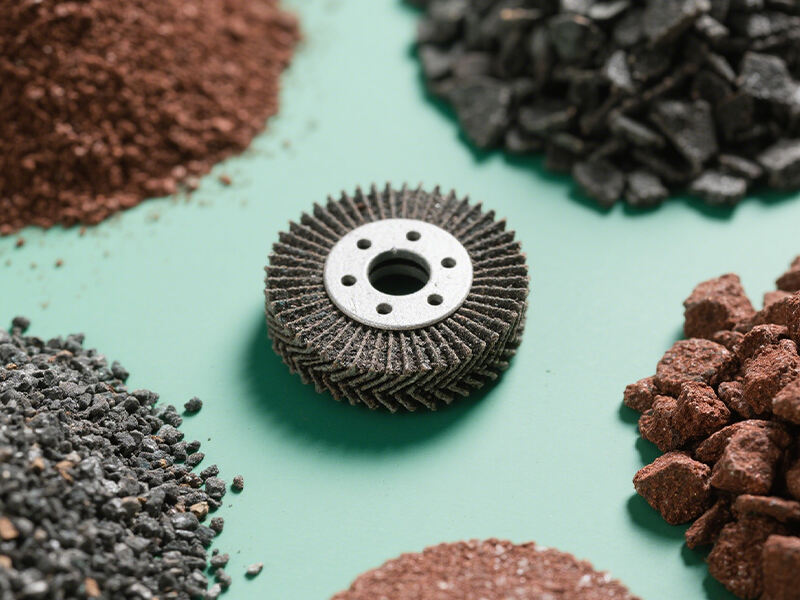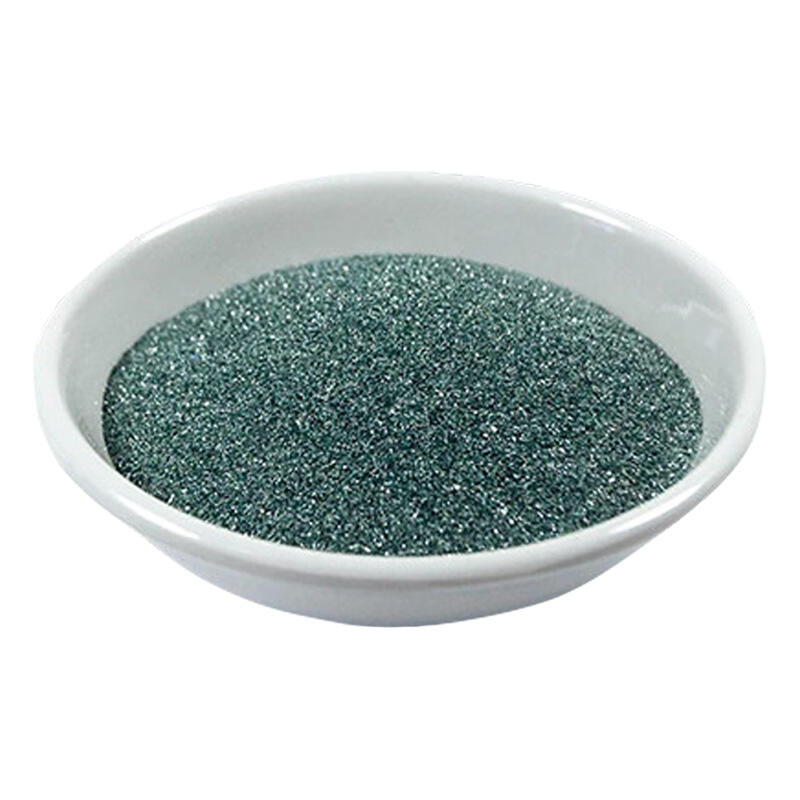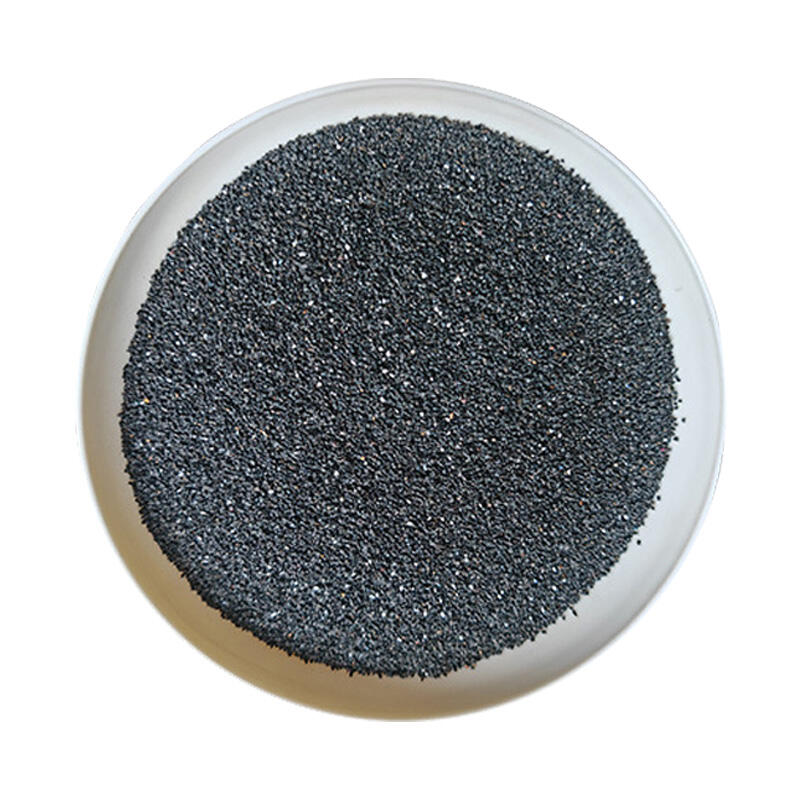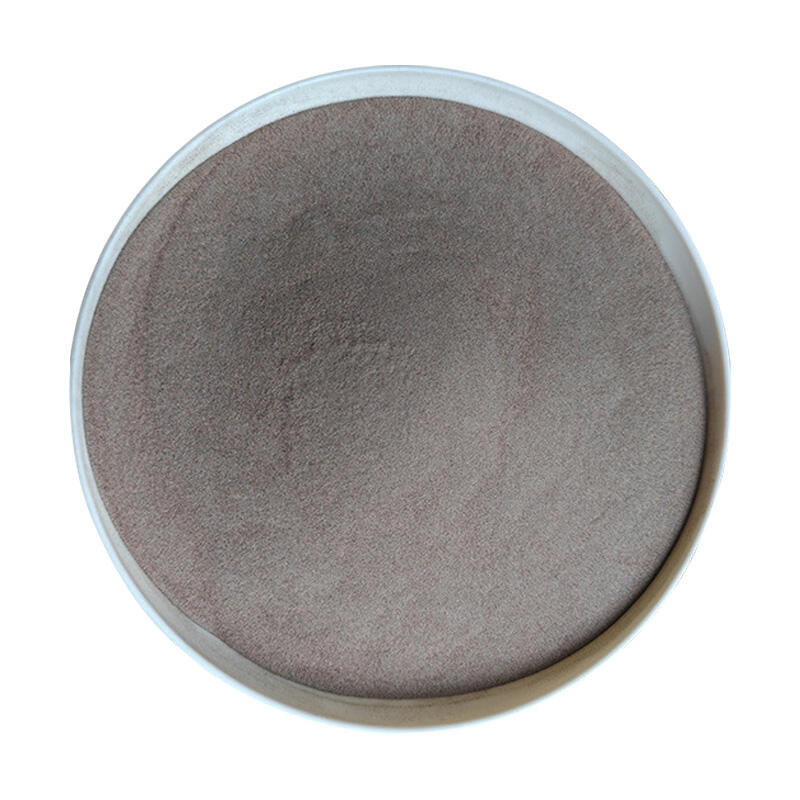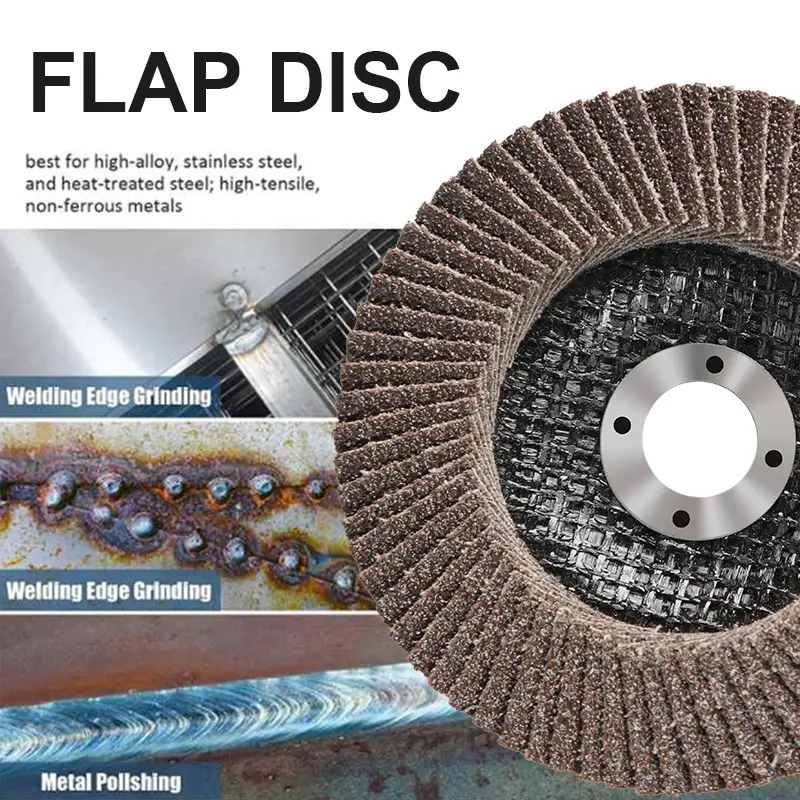
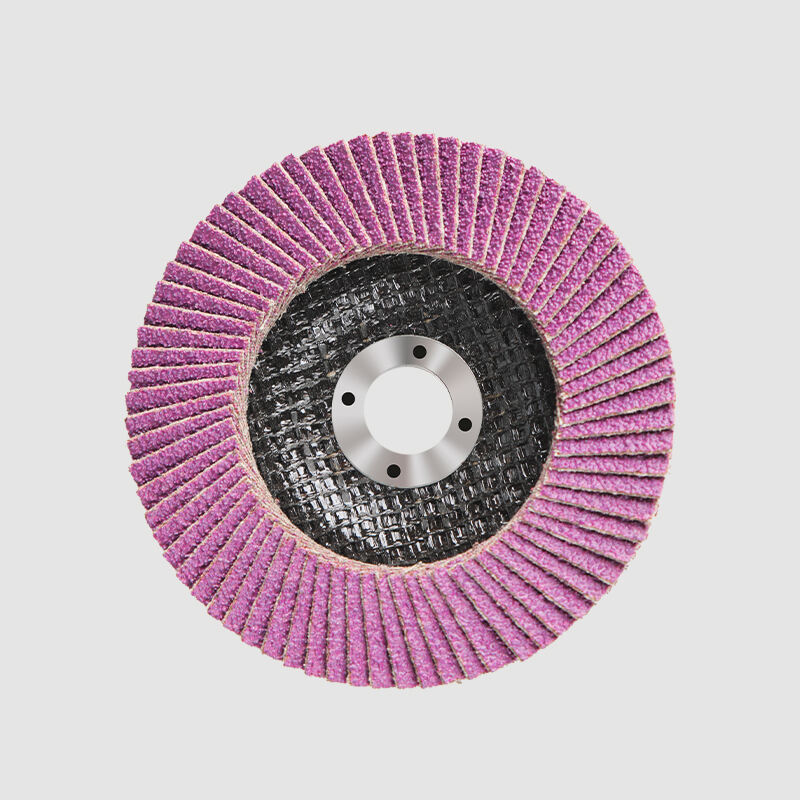
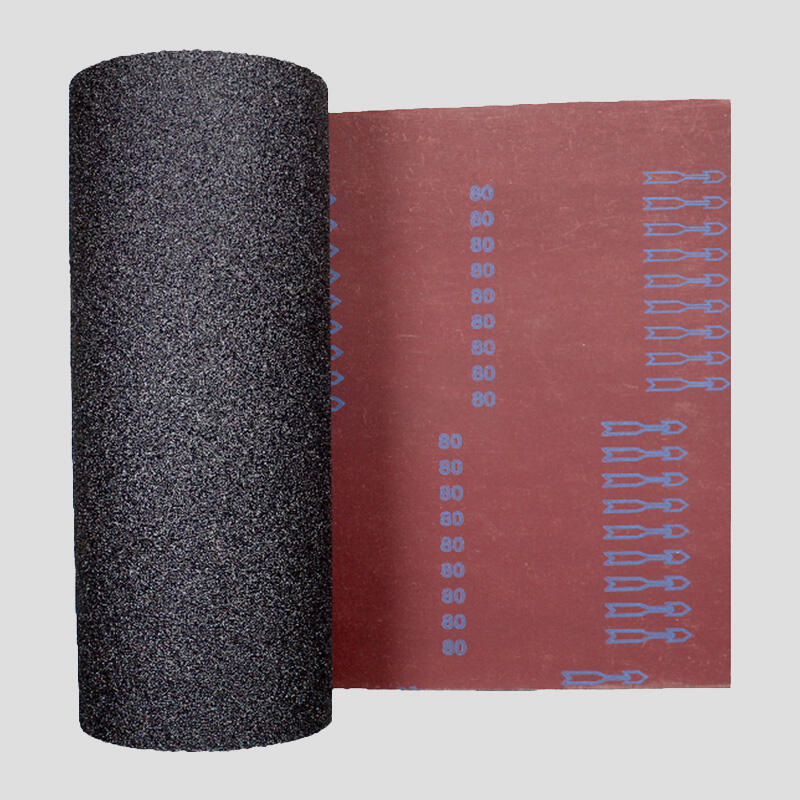
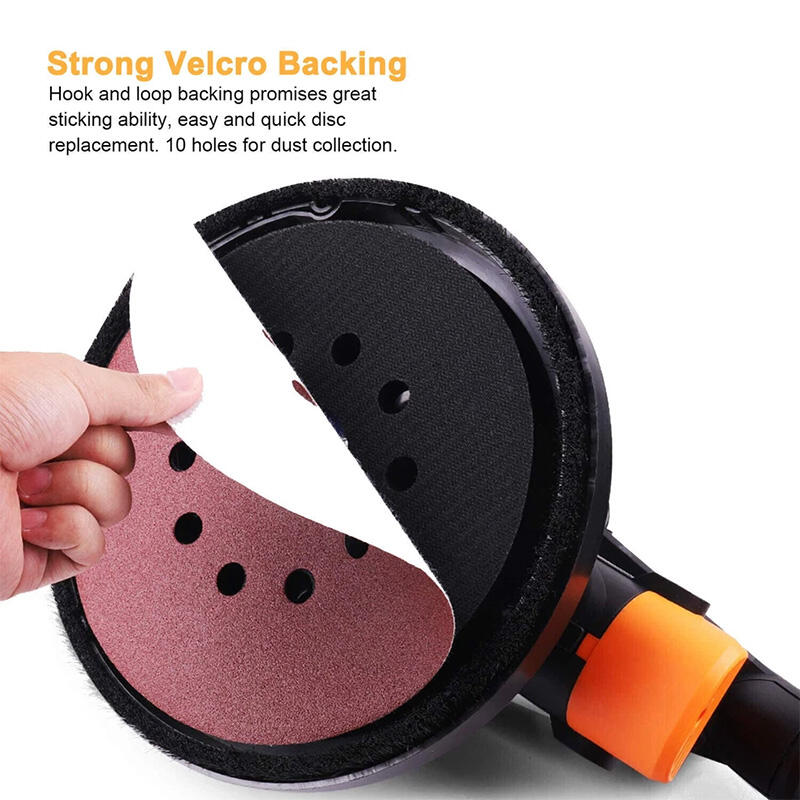
Abrasive Key Component of Abrasive Tools

Get a Free Quote

Our representative will contact you soon.
Email
Mobile/WhatsApp
Name
Company Name
Message
0/1000

Abrasive for Polishing Concrete: Improve Concrete Surface Finish

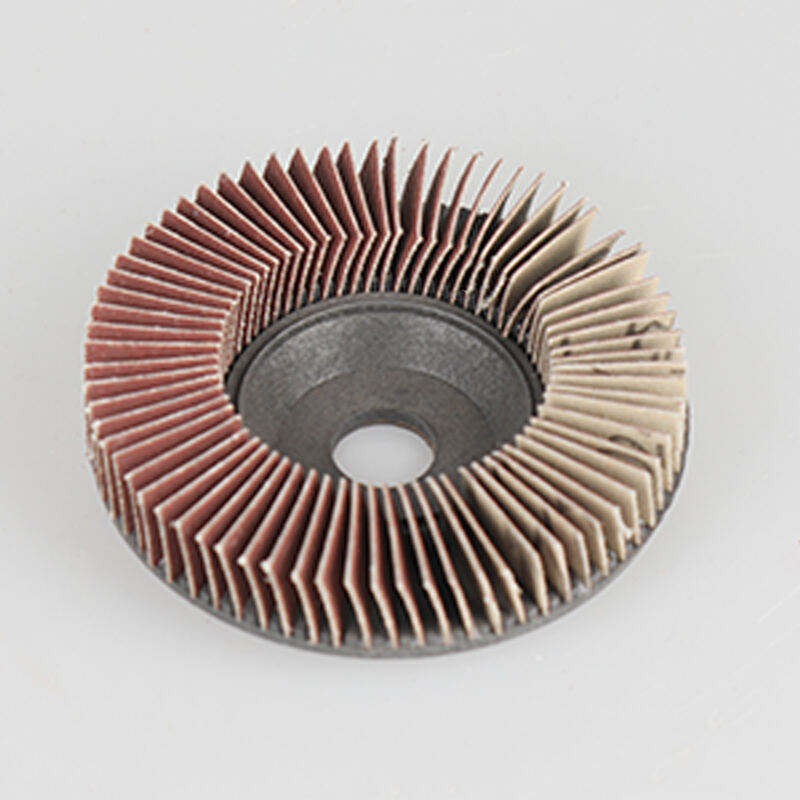
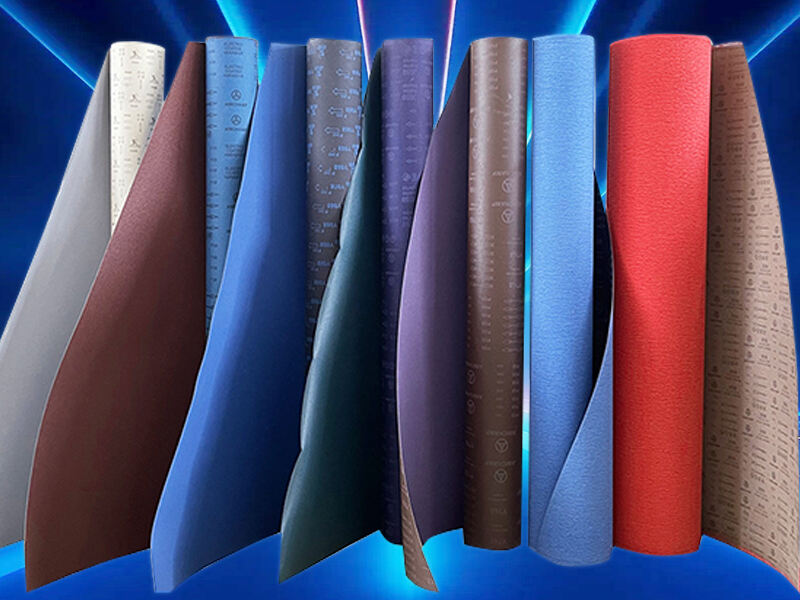
The critical component is an abrasive used for polishing concrete surfaces. This abrasive practically smoothens and polishes rough concrete surfaces. With this abrasive, walls and floors along with decorative concrete features are refined for more polished concrete surfaces and polished walls. This abrasive is indispensable in the construction and renovation industries for improving the quality of concrete surfaces.
Get A Quote

Advantages of the product

Thermal Stability

High-quality abrasives maintain structural integrity at elevated temperatures, preventing degradation during high-friction operations and ensuring consistent performance.

Related products

The steps taken to achieve a sleek and shiny surface on concrete is known as concrete polishing and it requires abrasives to complete. In the case polishing, coarse grained abrasives are first used to remove the surface imperfections and plain shine is given with fine abrasives afterwards. Commonly used abrasives include silicon carbide and diamond based ones. The commercial and industrial sectors are increasingly adopting polished concrete floors. The stratifying polish abrasives of diamond or silicon carbide contribute to penetrating the floor concrete's esthetic appearance but also the ease of undermining the floor’s maintenance requirements. Also, polished concrete surfaces greatly decrease the need of supplementary lighting due to the heightened reflectivity of light after polishing the concrete.

Frequently Asked Questions

Are there environmentally friendly abrasives?

Yes, many abrasives are now made from recycled materials or use eco-friendly bonding agents. Natural, non-toxic abrasives (e.g., garnet, walnut shell) are also available for sustainable practices.

Related Articles

Cloth for Flap Disc: Key Features to Consider

28

May

Cloth for Flap Disc: Key Features to Consider

Choosing the correct type of cloth for flap discs is a delicate task on its own, but for superior performance and enduring life on flap discs, attention needs to be paid to the type of cloth used. This article avoids packing so much information and...
View More
Diamond Cutting Blade: Why It's a Great Choice

16

Apr

Diamond Cutting Blade: Why It's a Great Choice

In today's world of precision cutting in different fields, one of the most effective tools are diamond cutting blades. These blades are constructed for performance, durability, and flexibility which make them ideal for people working in construction,...
View More
How to Choose the Right Flap Wheel

28

May

How to Choose the Right Flap Wheel

Choosing the best flap wheel for your sanding and finishing work is very important as it helps complete the task at hand more efficiently. Range from metalworking to woodworking, flap wheels can be used for multiple purposes and knowing the specifics...
View More
Metal Backing in Abrasives: Functions Explained

16

Apr

Metal Backing in Abrasives: Functions Explained

Despite functioning as a strong base for abrasive products, aiding in industrial manufacturing and even DIY projects, the relevance of metal backing is often neglected. In this article, we will discuss the benefits, types, recent trends of metal back...
View More

Customer Reviews

Victor

When I need to remove a large amount of material quickly, this abrasive is my first choice. It has strong abrasive power and can get the job done in no time.

Get a Free Quote

Our representative will contact you soon.
Email
Mobile/WhatsApp
Name
Company Name
Message
0/1000
Multi-Industry Applicability

Multi-Industry Applicability

Used in metalworking, woodworking, stone masonry, and electronics, abrasives are essential for achieving precise dimensions and surface finishes across diverse sectors.
Enhanced Machining Efficiency

Enhanced Machining Efficiency

The sharp edges of abrasive particles reduce cutting forces and energy consumption, improving throughput while minimizing tool wear on machinery.
Controlled Surface Roughness

Controlled Surface Roughness

By selecting the appropriate abrasive grit, users can achieve specific surface roughness values, critical for components requiring precise functional or aesthetic properties.