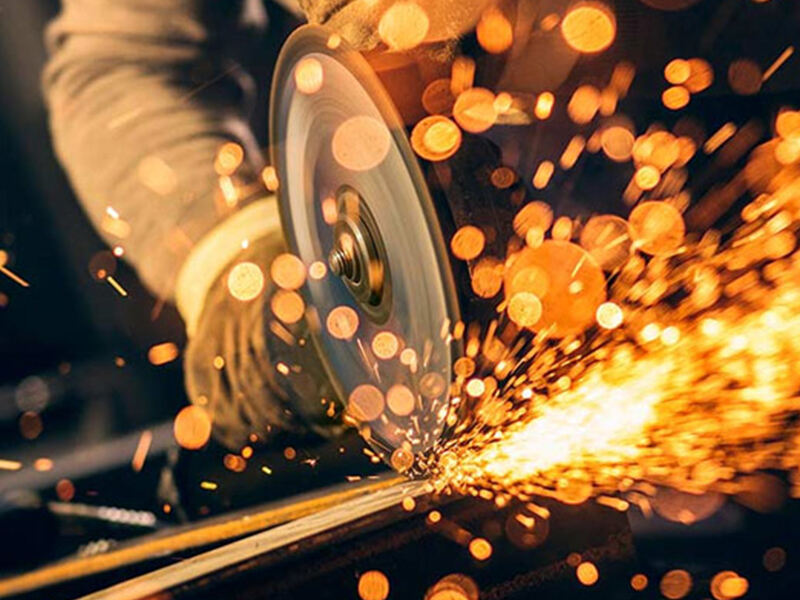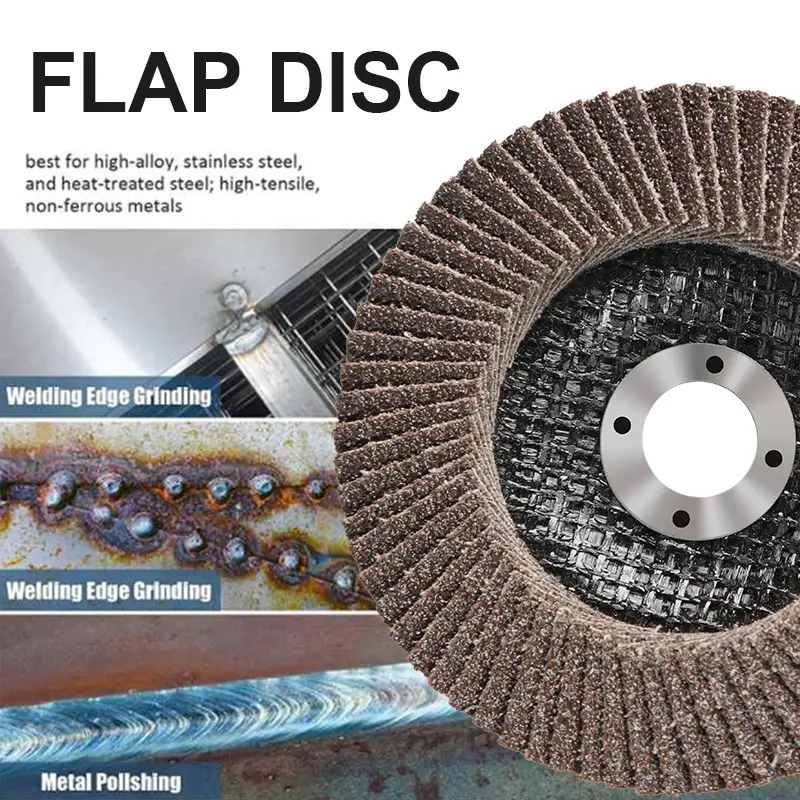
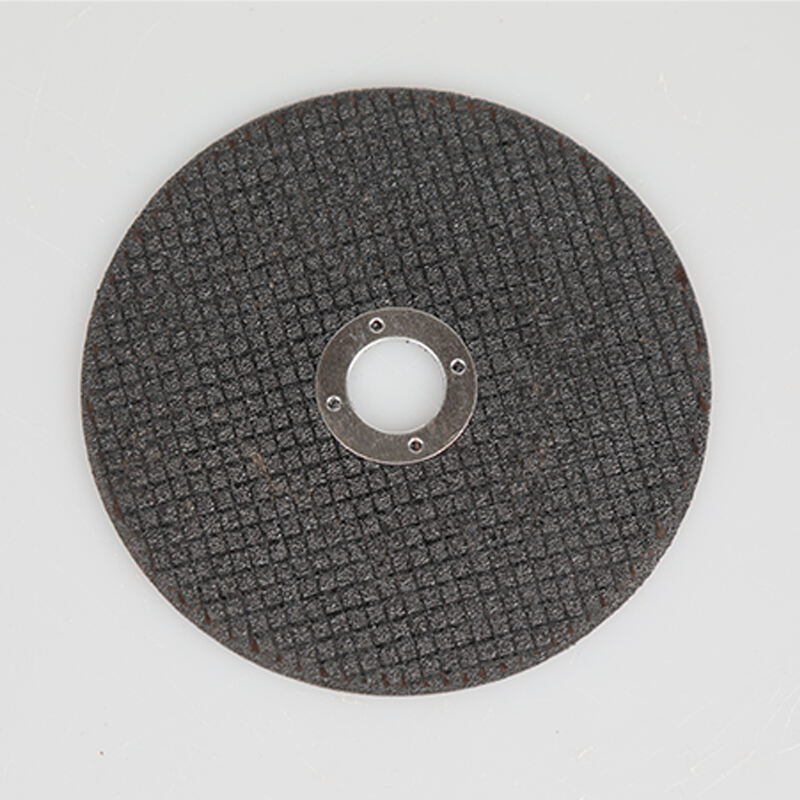
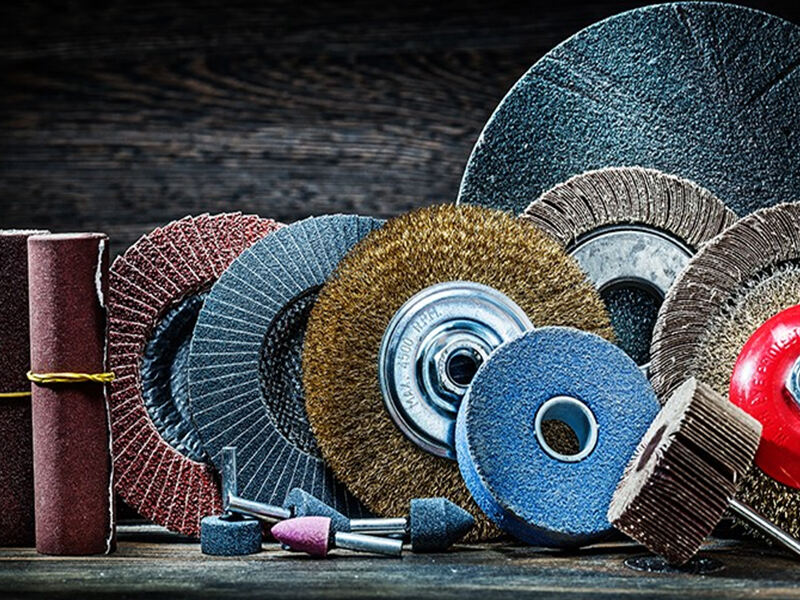
An anti chipping grinding wheel is a specialized abrasive tool designed to minimize or prevent chipping, cracking, or fragmentation of brittle materials during grinding, a critical concern when working with ceramics, glass, hardened metals, carbon fiber composites, and semiconductor materials. Its effectiveness stems from a combination of abrasive selection, bonding strength, and wheel structure. The abrasive grains used are typically finer and more friable than those in standard wheels; materials like silicon carbide or cubic boron nitride (CBN) are preferred for their ability to cut cleanly without exerting excessive pressure on the workpiece. These grains are bonded with a relatively soft, flexible resin or rubber bond that allows controlled deflection, absorbing impact forces that would otherwise cause brittle materials to chip. The wheel’s surface is often structured with a uniform, open coat of grains, reducing friction and heat buildup—two factors that exacerbate chipping in heat-sensitive materials. Additionally, the wheel may feature a porous matrix that allows coolant to flow freely to the grinding interface, further reducing thermal stress. In electronics manufacturing, anti chipping wheels are used to grind silicon wafers and ceramic substrates, ensuring precise edges without microcracks that could compromise device performance. In automotive engineering, they refine hardened steel components like valve seats and bearing races, where chipping would reduce part lifespan. In glass processing, they shape optical lenses and display panels, maintaining clarity and structural integrity. The key advantage of these wheels is their ability to balance material removal efficiency with gentleness, achieving tight tolerances and smooth surfaces while preserving the workpiece’s structural integrity. By minimizing chipping, they reduce scrap rates, lower rework costs, and enhance the reliability of finished products, making them indispensable in industries where material brittleness and precision are defining challenges.