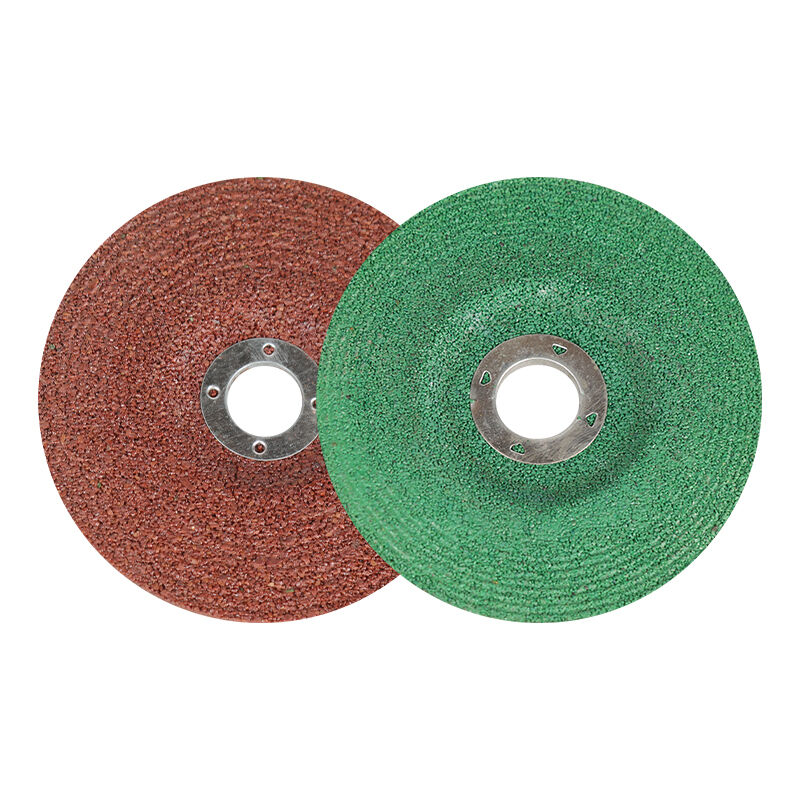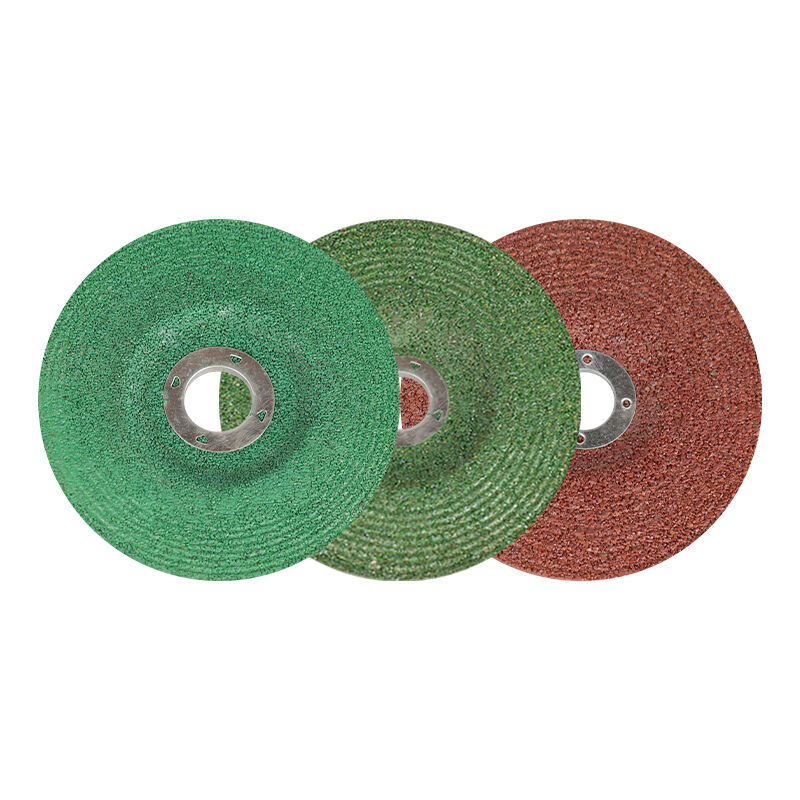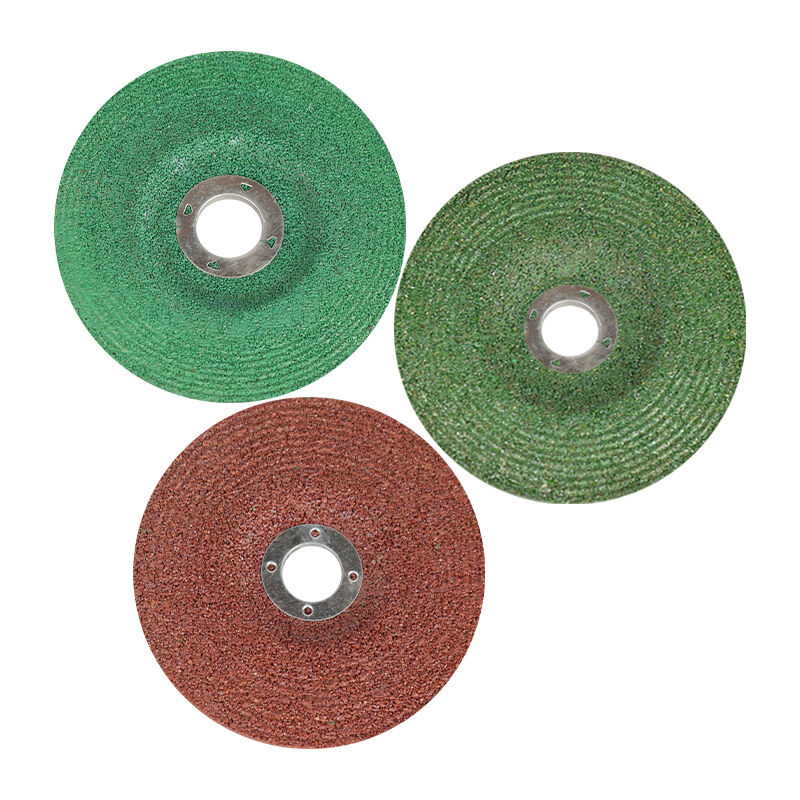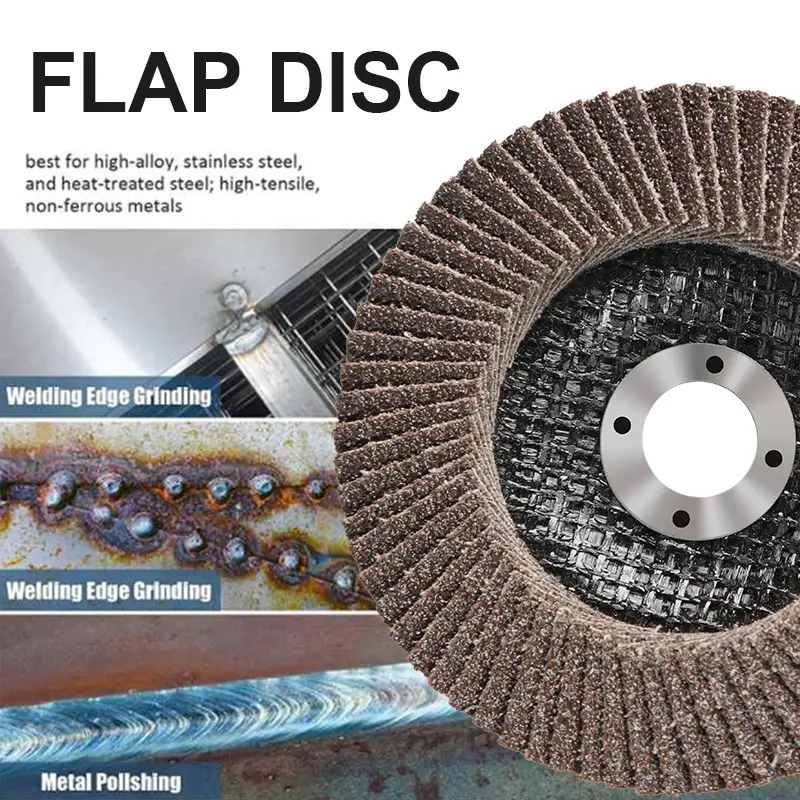
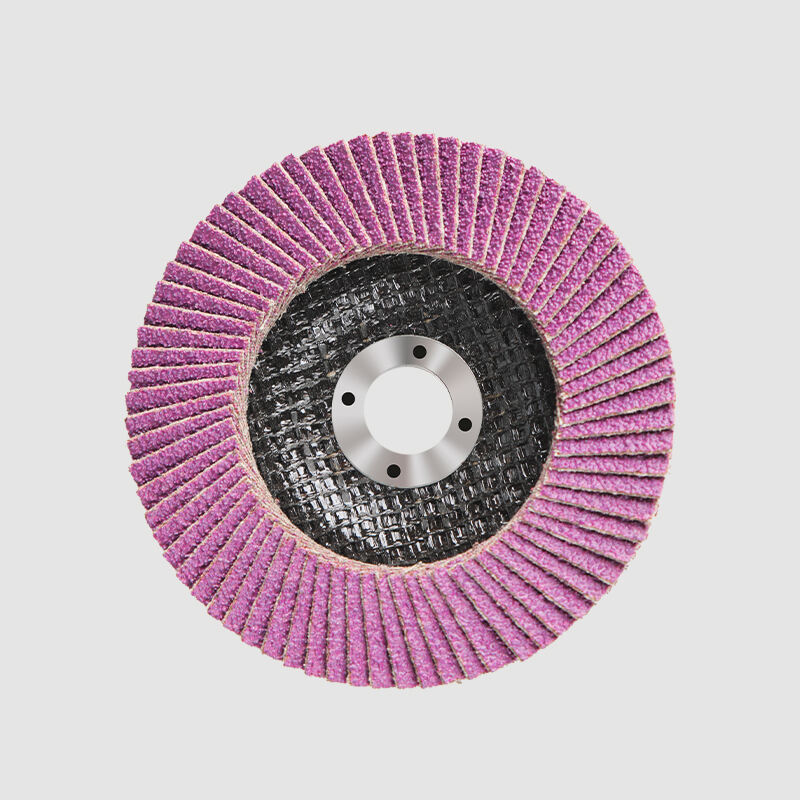
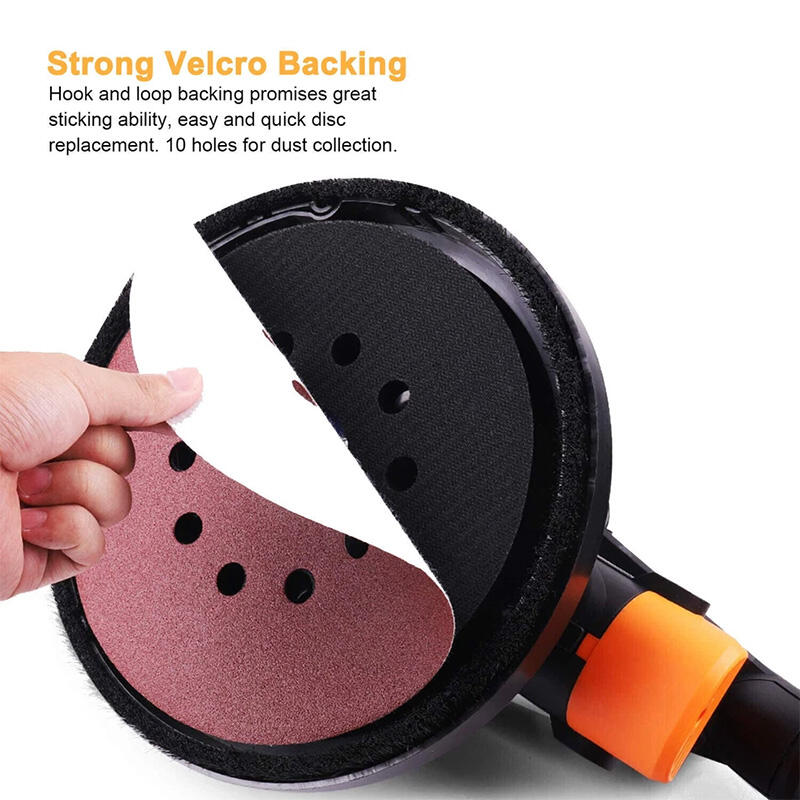
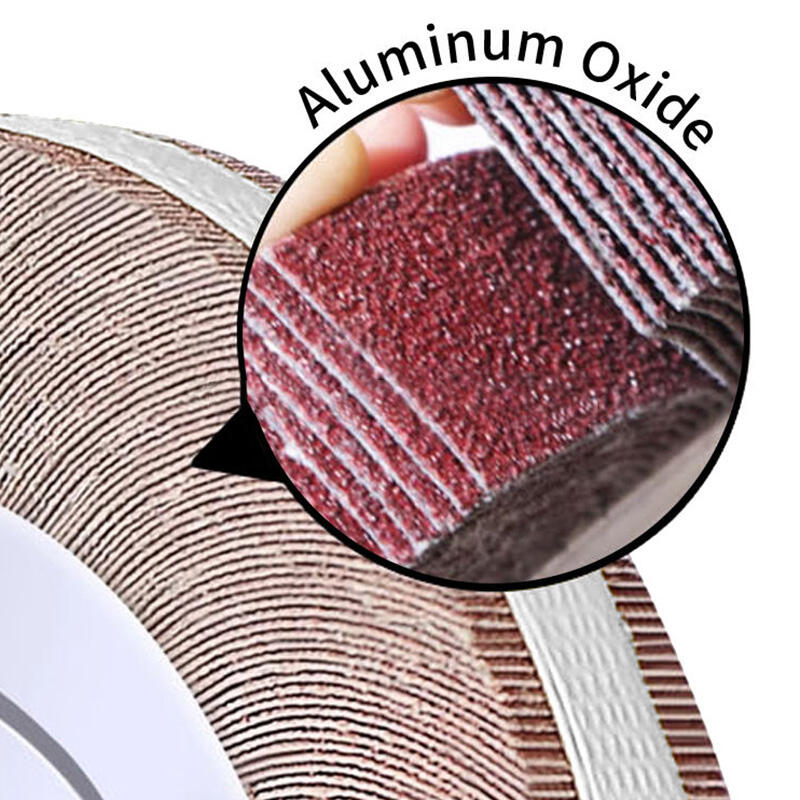
A quick cooling grinding disc is a high-performance abrasive tool engineered to dissipate heat rapidly during grinding operations, mitigating thermal damage to both the workpiece and the disc itself. Heat buildup is a common issue in grinding, caused by friction between the abrasive grains and the workpiece, which can lead to workpiece warping, discoloration, metallurgical changes (such as annealing in metals), or even disc degradation. Quick cooling discs address this through several design features: a porous structure with interconnected channels that facilitate airflow and coolant circulation, heat-conductive materials in the disc’s core (often aluminum or copper composites) that draw heat away from the grinding interface, and abrasive grains bonded with heat-resistant resins that maintain integrity at high temperatures. The abrasive grains—typically aluminum oxide for metals or silicon carbide for non-ferrous materials—are spaced to reduce contact area, lowering friction and heat generation. These discs are particularly effective for grinding heat-sensitive materials like aluminum, copper, magnesium alloys, plastics, and thin-walled metal components, where even minor thermal expansion can compromise dimensional accuracy. In automotive manufacturing, they are used to grind aluminum engine blocks and cylinder heads, preventing warping that would affect engine performance. In aerospace, they refine titanium and nickel-alloy components, where heat-induced material changes could weaken structural integrity. In electronics, they shape plastic and metal casings without melting or distorting delicate features. The quick cooling property also extends the disc’s lifespan by reducing thermal stress on the bonding agent, minimizing grain shedding and wear. By maintaining lower operating temperatures, these discs ensure consistent material removal, smoother surface finishes, and reduced scrap rates, making them a critical tool for precision grinding applications where thermal management is paramount.