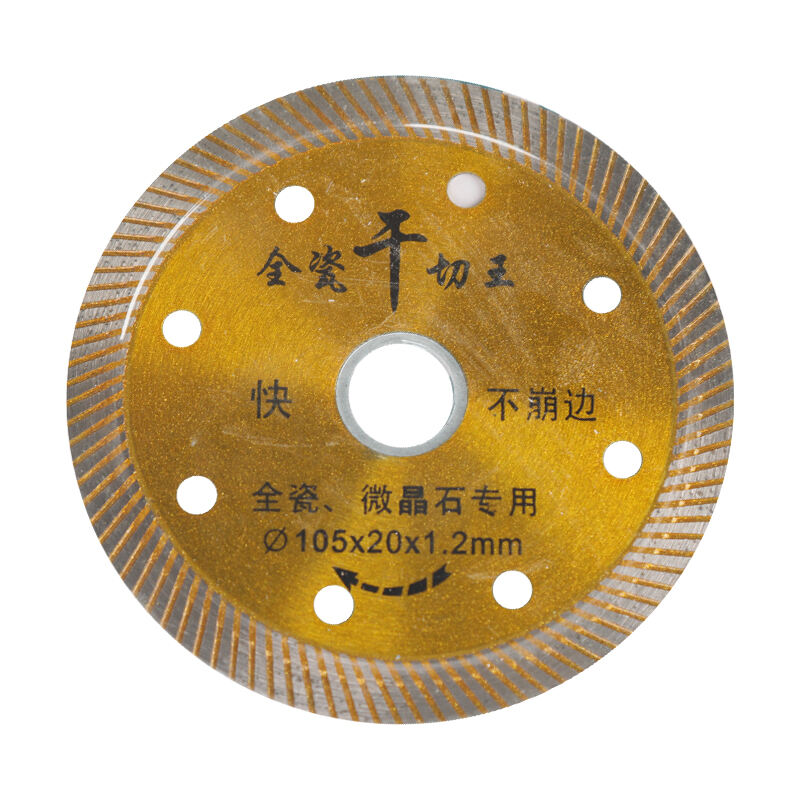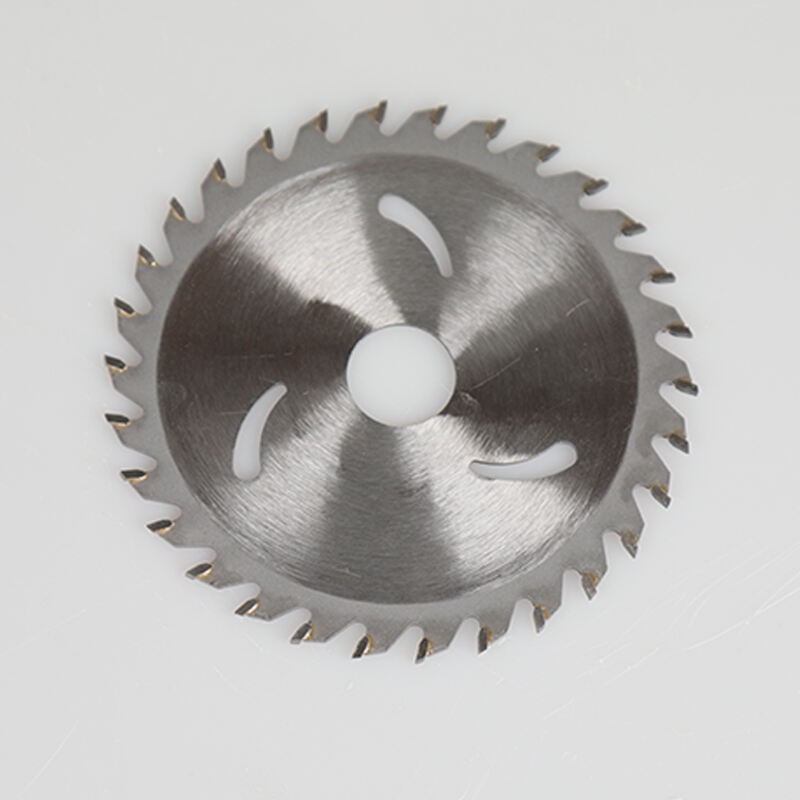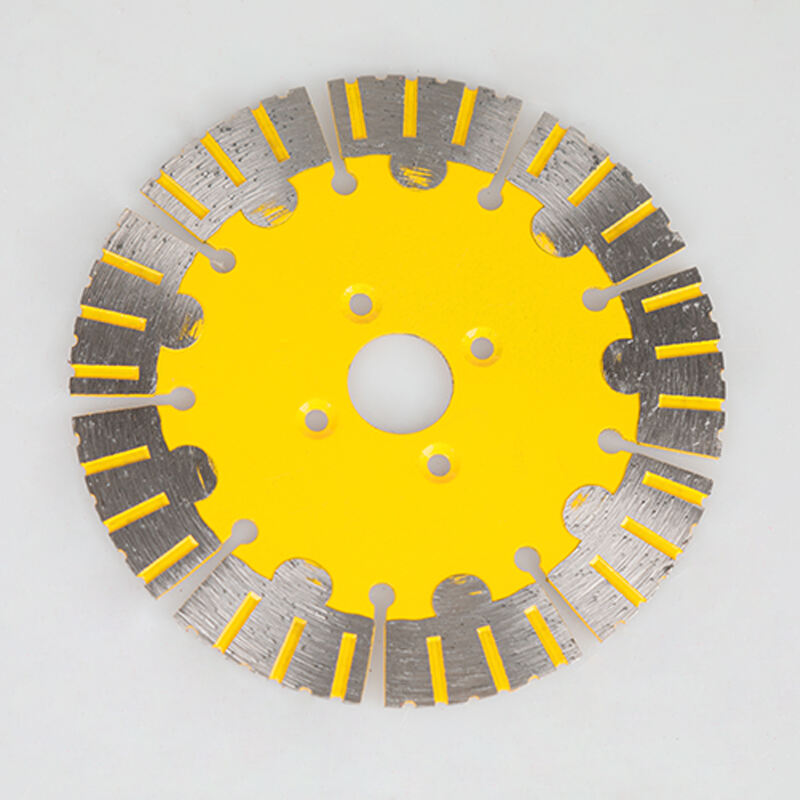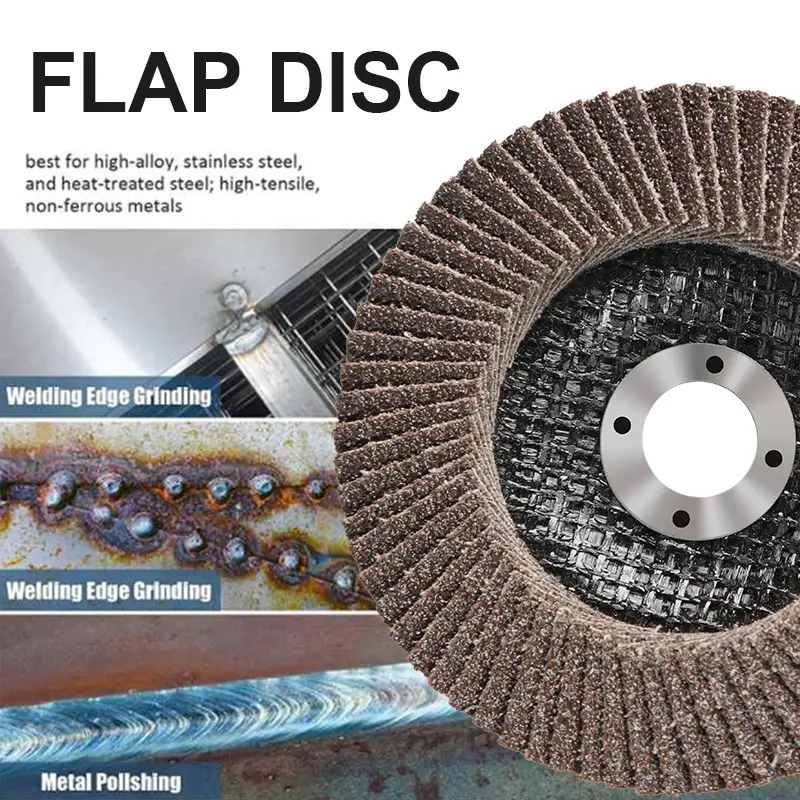
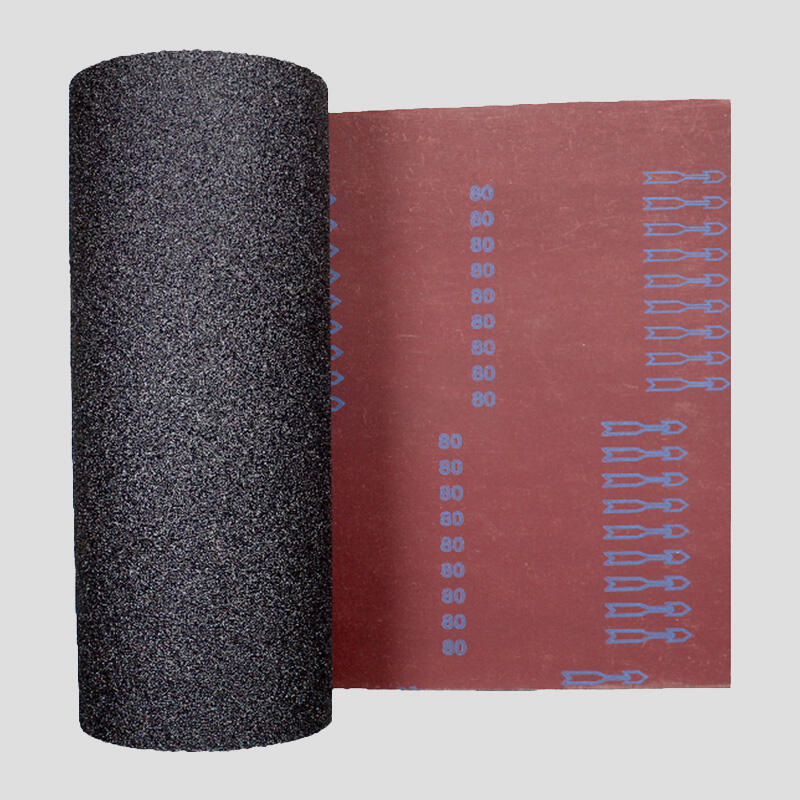
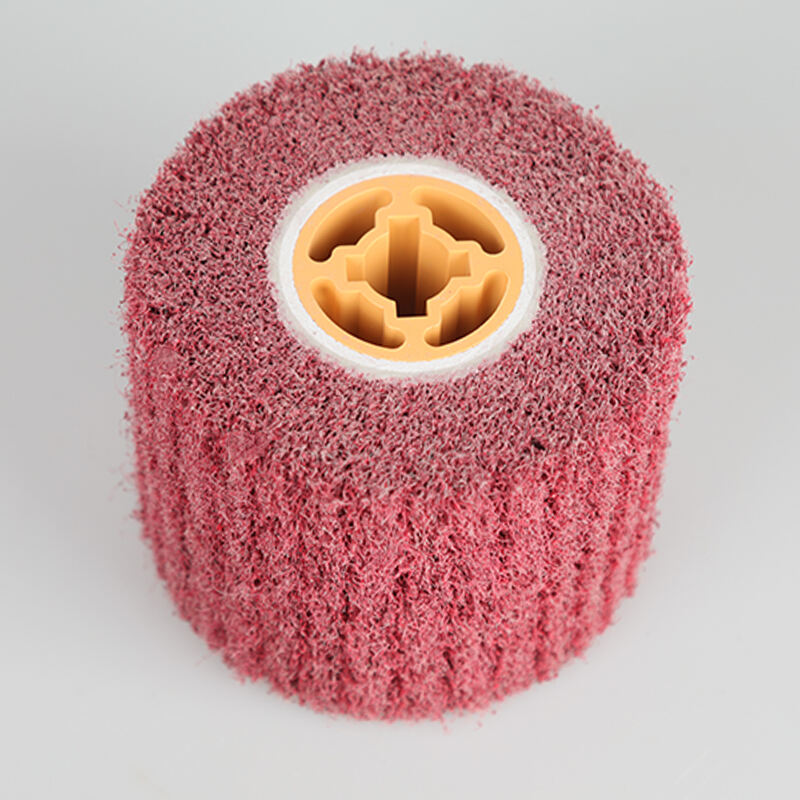
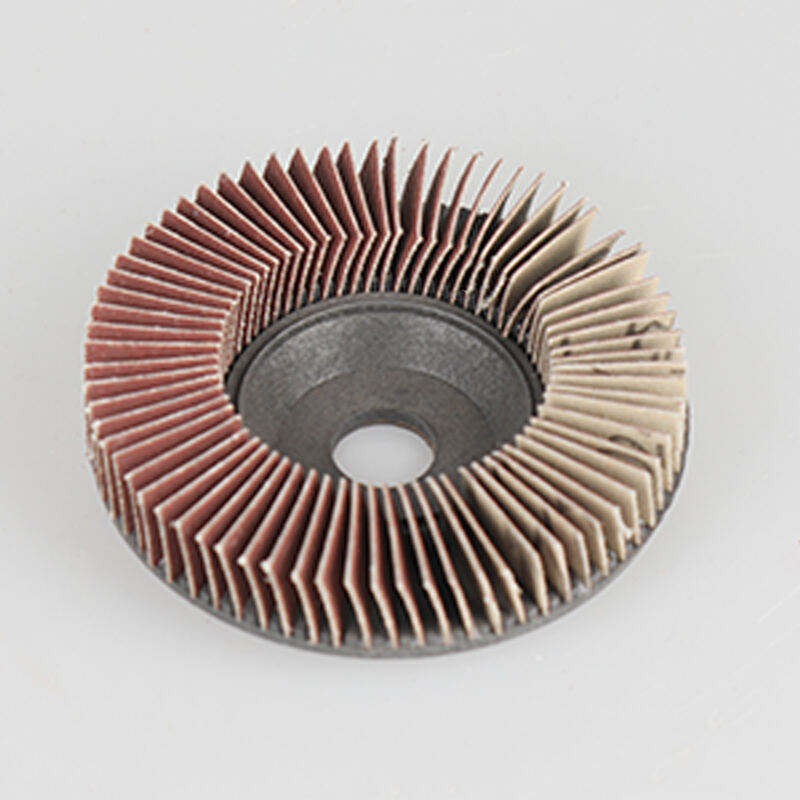
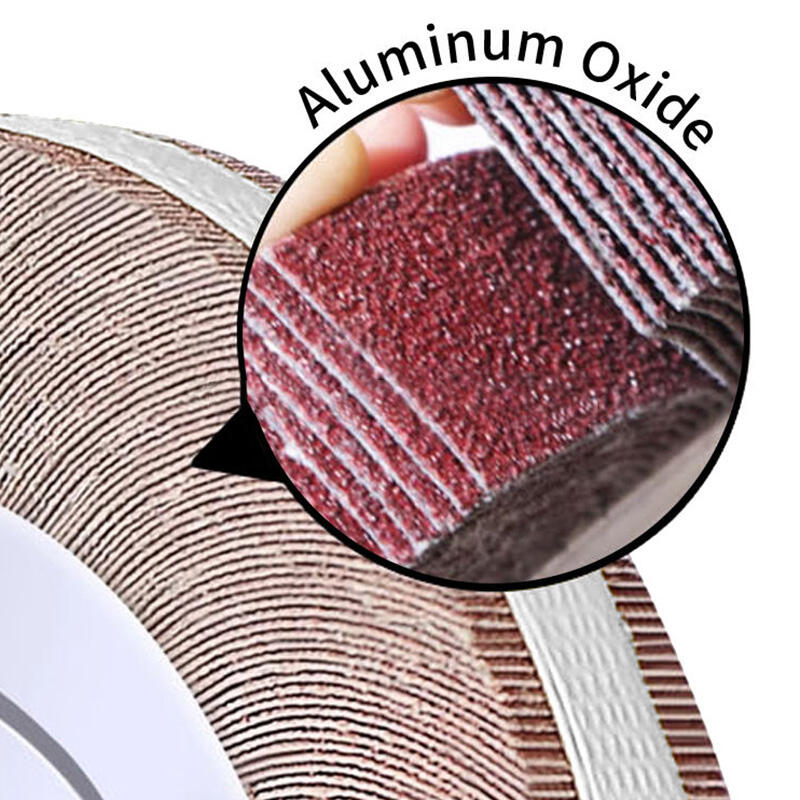
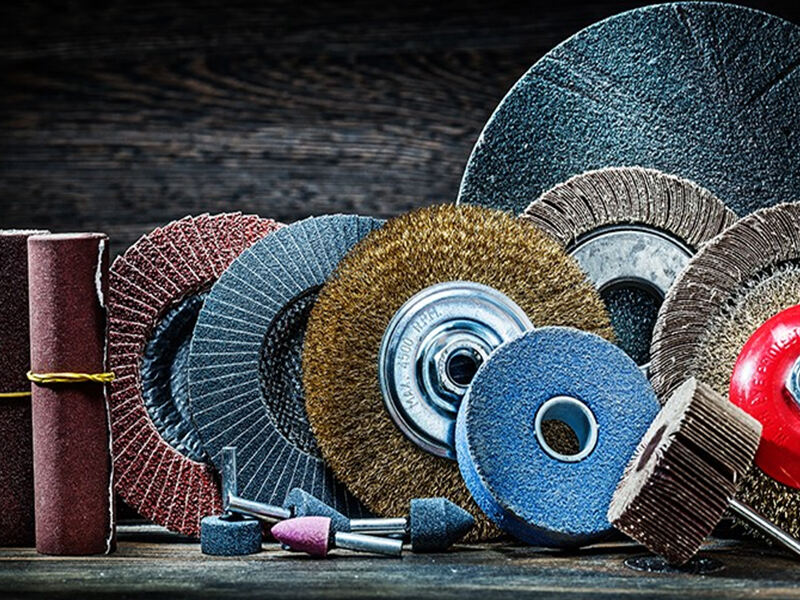
Ultra fine metal discs are precision abrasive tools designed for the final stages of metal surface refinement, utilizing extremely fine grit sizes—typically between 800 grit and 5000 grit—to remove micro-scratches, burrs, and surface irregularities that coarser abrasives leave behind. These discs are engineered to work with a wide range of metals, including stainless steel, aluminum, brass, copper, and titanium, where maintaining dimensional accuracy while achieving a smooth finish is critical. The abrasive grains, often composed of high-purity aluminum oxide, silicon carbide, or even diamond particles for harder metals, are uniformly bonded to a thin, flexible backing—such as polyester film or lightweight cloth—that allows for precise control over material removal. This flexibility ensures the disc conforms to the metal’s contours, whether flat, curved, or intricate, without applying excessive pressure that could distort the workpiece. Ultra fine metal discs are particularly valuable in applications requiring tight tolerances, such as medical device manufacturing (where smooth surfaces prevent bacterial adhesion), aerospace components (to reduce aerodynamic drag), and precision tooling (ensuring proper fit and function). In jewelry making, they are used to polish precious metals to a high luster, enhancing their visual appeal without compromising intricate designs. The discs often operate at lower speeds to minimize heat generation, which can cause metal discoloration or warping, especially in soft metals like aluminum or copper. They may be used dry for light polishing or with a lubricant (water or mineral oil) to flush away metal particles, reducing clogging and extending the disc’s lifespan. By removing only microscopic layers of material, ultra fine metal discs preserve the metal’s structural integrity while achieving surface roughness values (Ra) as low as 0.02 micrometers, making them essential for both aesthetic and functional metal finishing in high-precision industries.