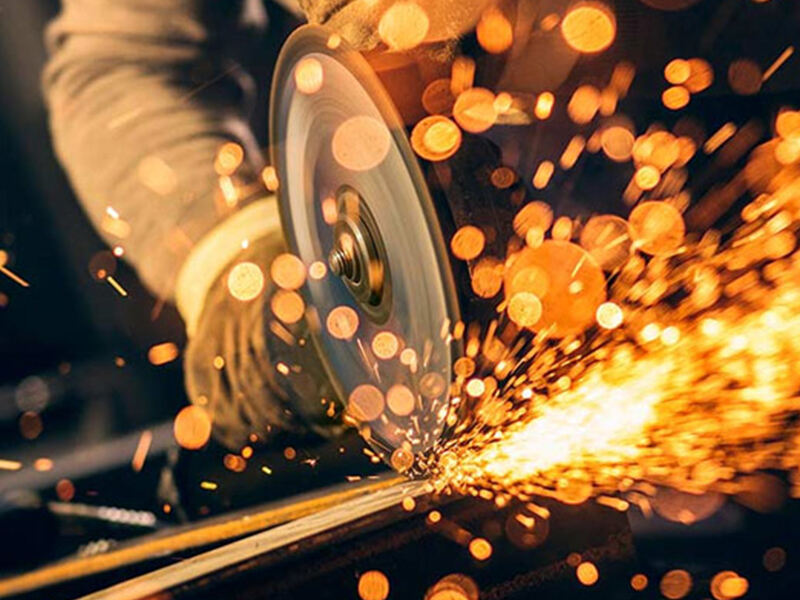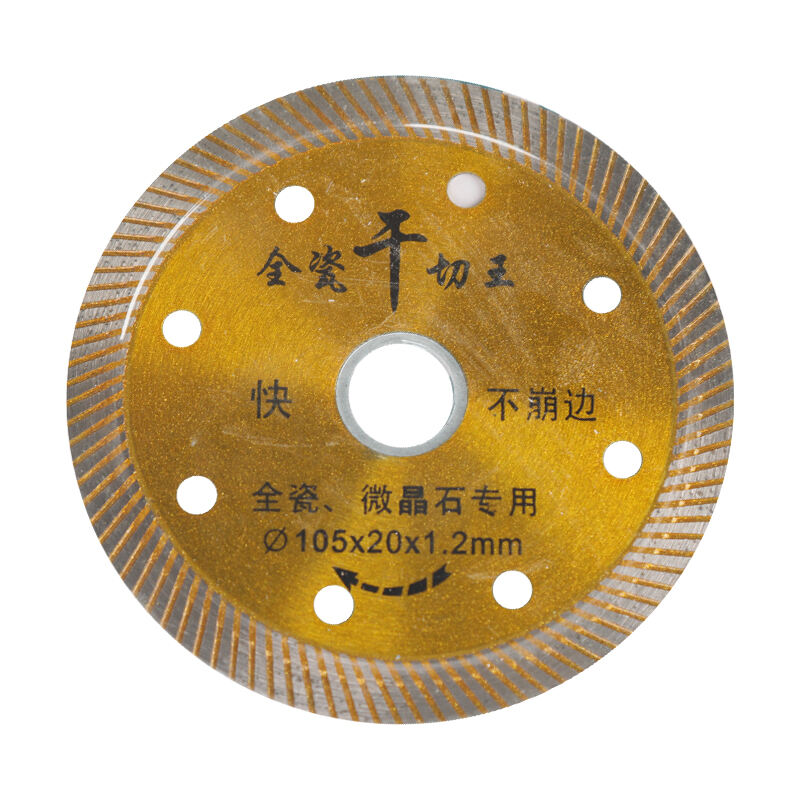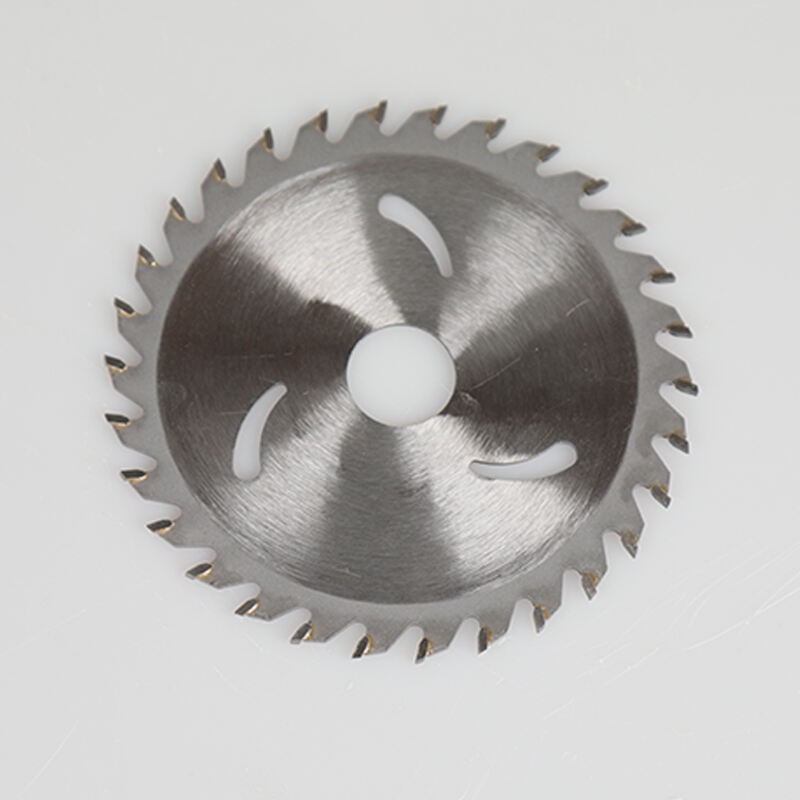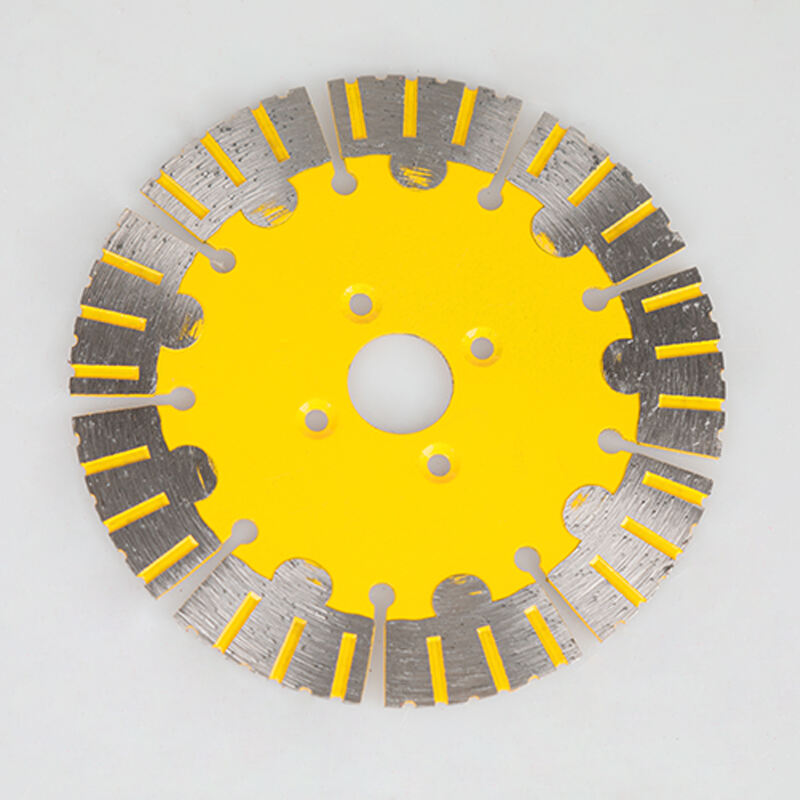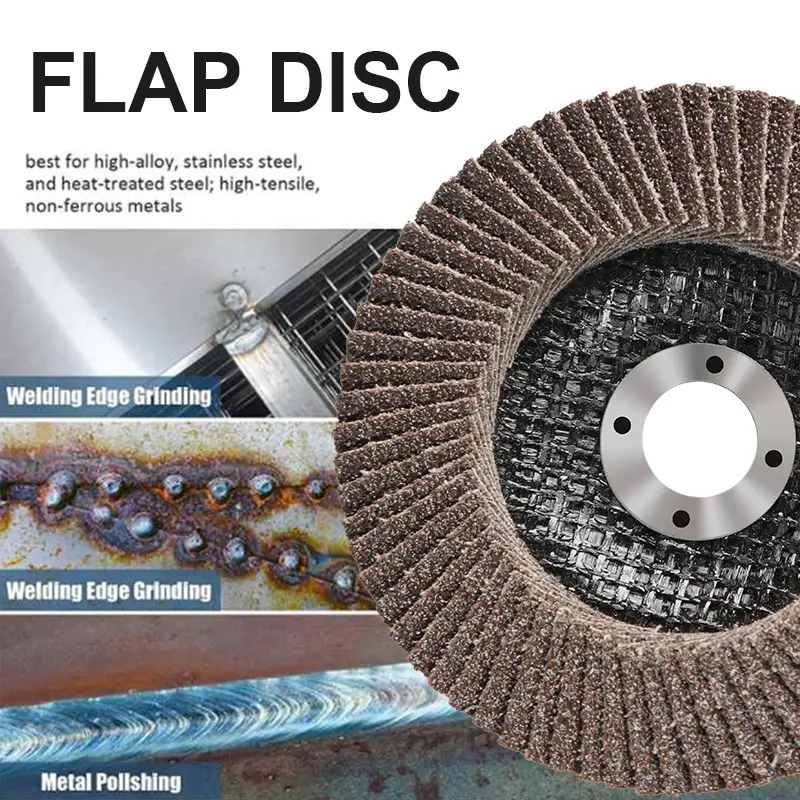
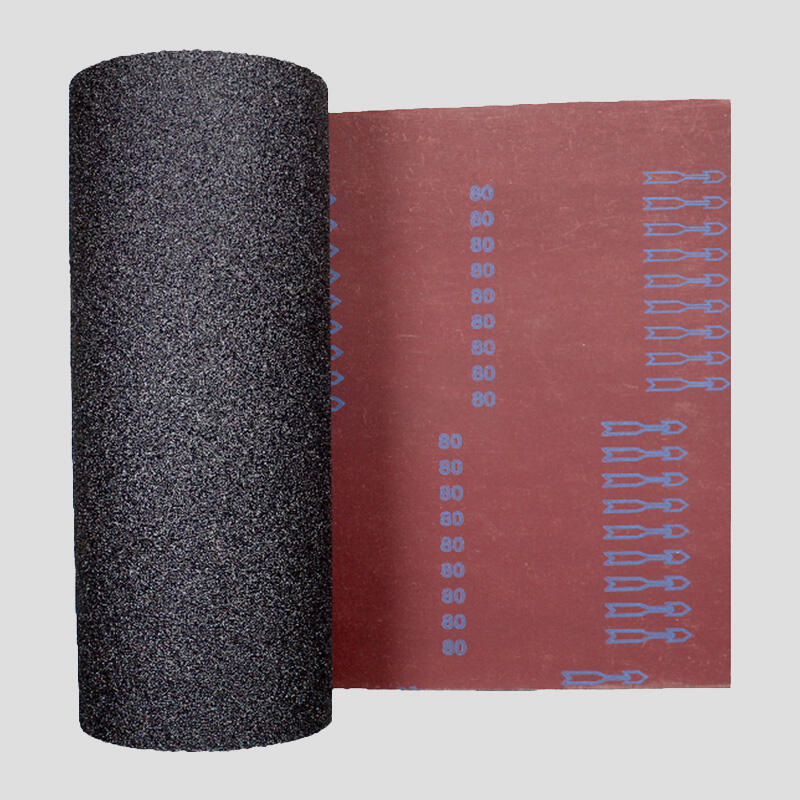
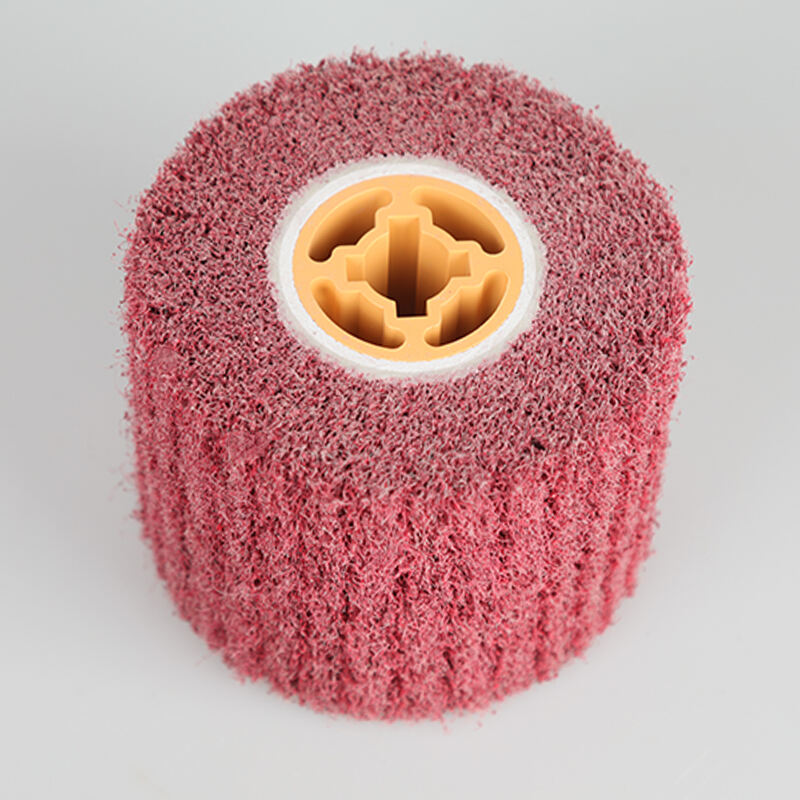
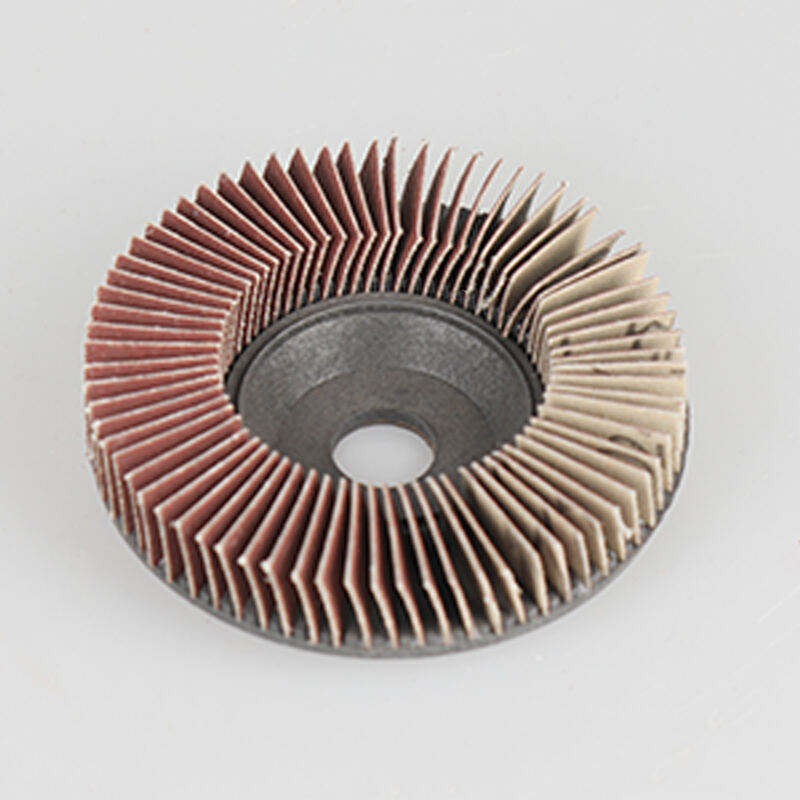
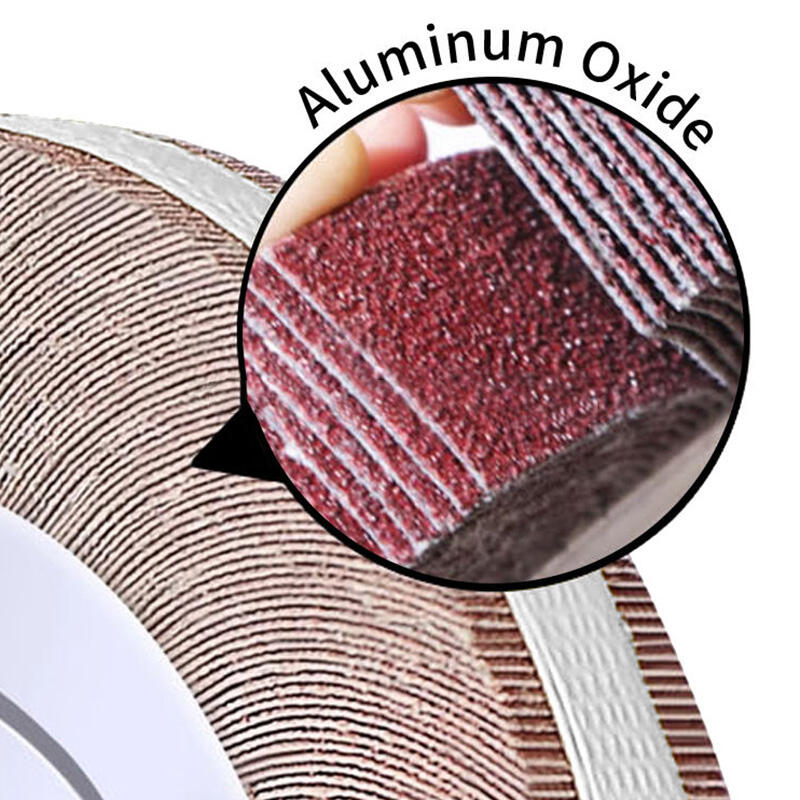
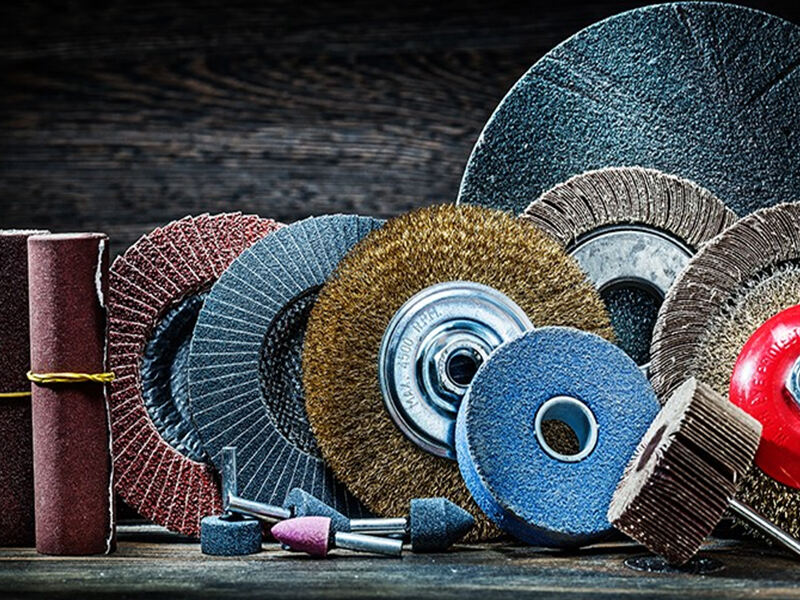
Metal discs for die casting are specialized abrasive tools designed to address the unique finishing needs of die cast components—parts formed by forcing molten metal into a mold cavity, which often have surface imperfections like burrs, flash, or mold release residue. These discs are engineered to efficiently remove such defects while preserving the component’s intricate details and dimensional accuracy, which is critical for parts used in automotive, aerospace, and consumer electronics. The abrasive grains used depend on the die cast metal: aluminum oxide or zirconia alumina for aluminum and zinc alloys (the most common die cast materials), and silicon carbide for harder alloys like magnesium. The grains are bonded to a flexible backing—such as fiber or resin-impregnated paper—that allows the disc to reach into tight corners, thin walls, and complex geometries typical of die cast parts without causing damage. Grit sizes range from coarse (40-80 grit) for heavy burr removal to medium (120-240 grit) for smoothing surfaces and preparing them for painting, plating, or assembly. Metal discs for die casting often feature open-coat designs, where grains are spaced to prevent clogging by soft die cast metals, which can melt and adhere to the disc during grinding. This design ensures consistent performance and reduces heat buildup, which is crucial for avoiding warping in thin-walled components. They are compatible with handheld grinders, orbital sanders, or automated finishing systems, adapting to both manual and high-volume production lines. In automotive manufacturing, they finish die cast parts like engine brackets, door handles, and transmission components. In electronics, they prepare housing parts for coating or assembly. By efficiently removing defects while maintaining precision, these discs improve the functionality and aesthetics of die cast components, ensuring they meet strict industry standards for fit, form, and function.