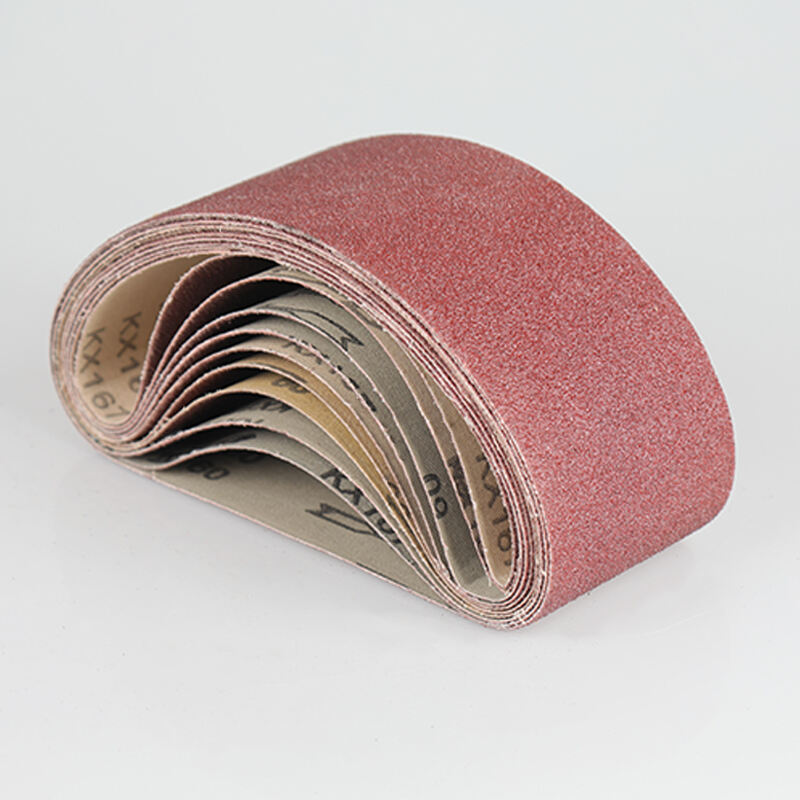
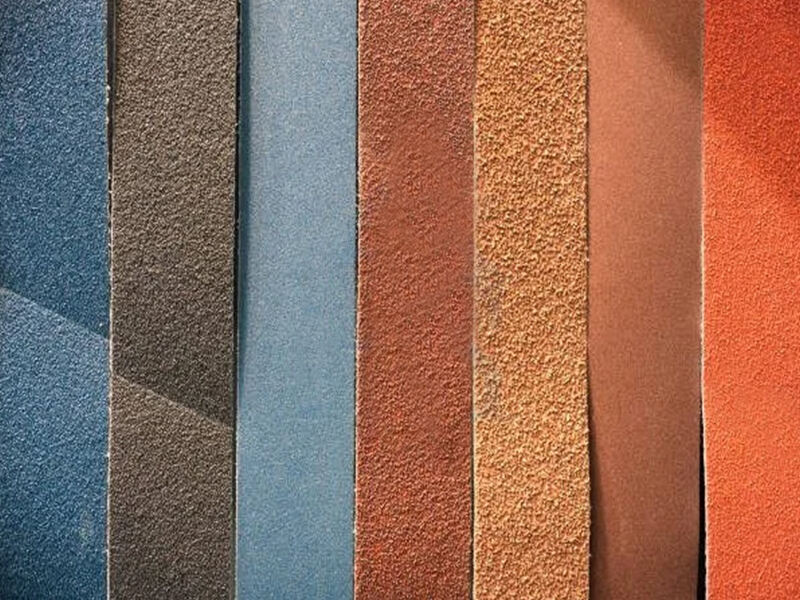
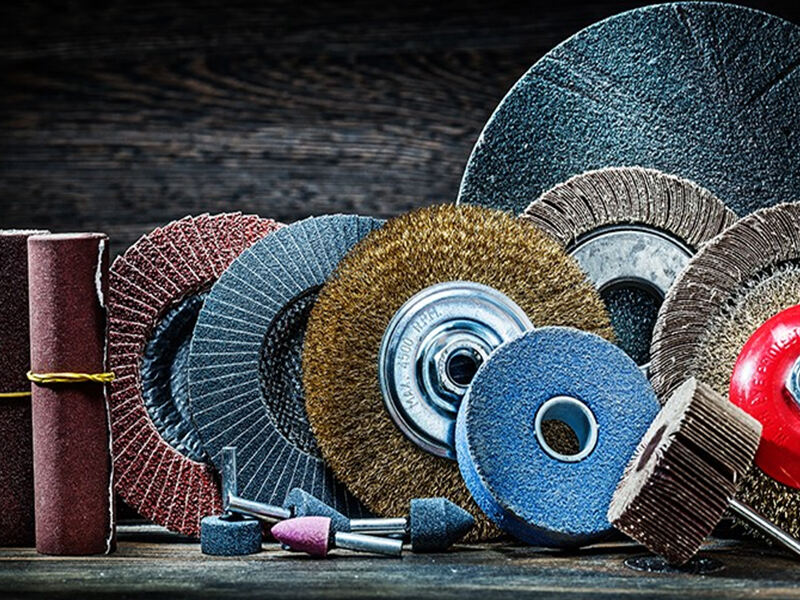
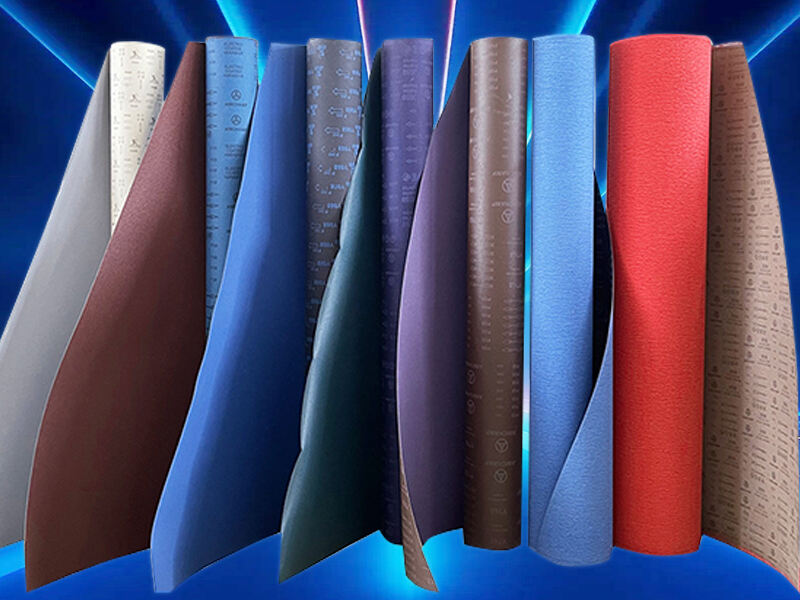
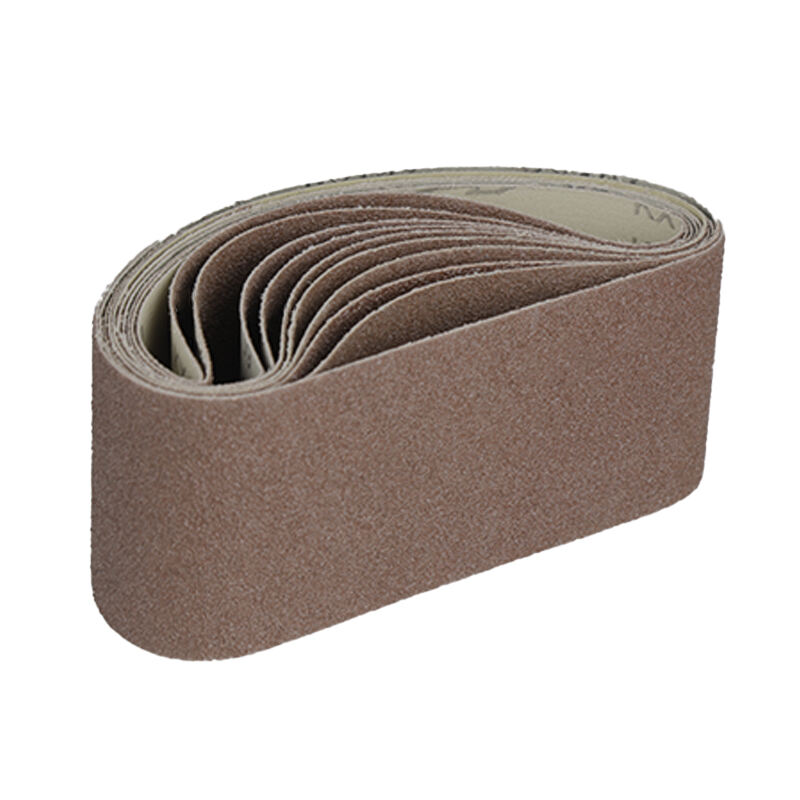
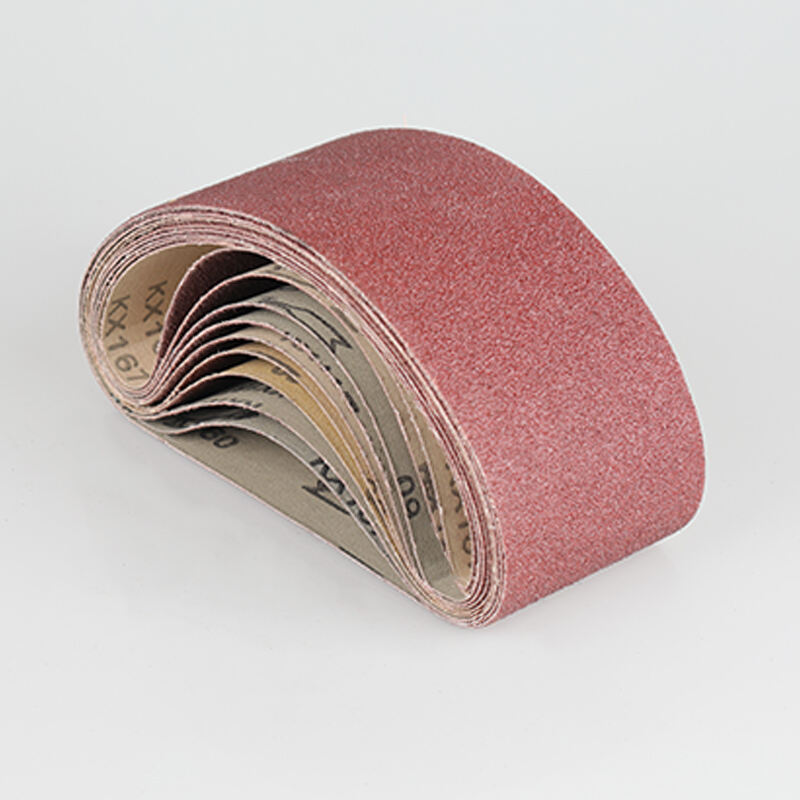
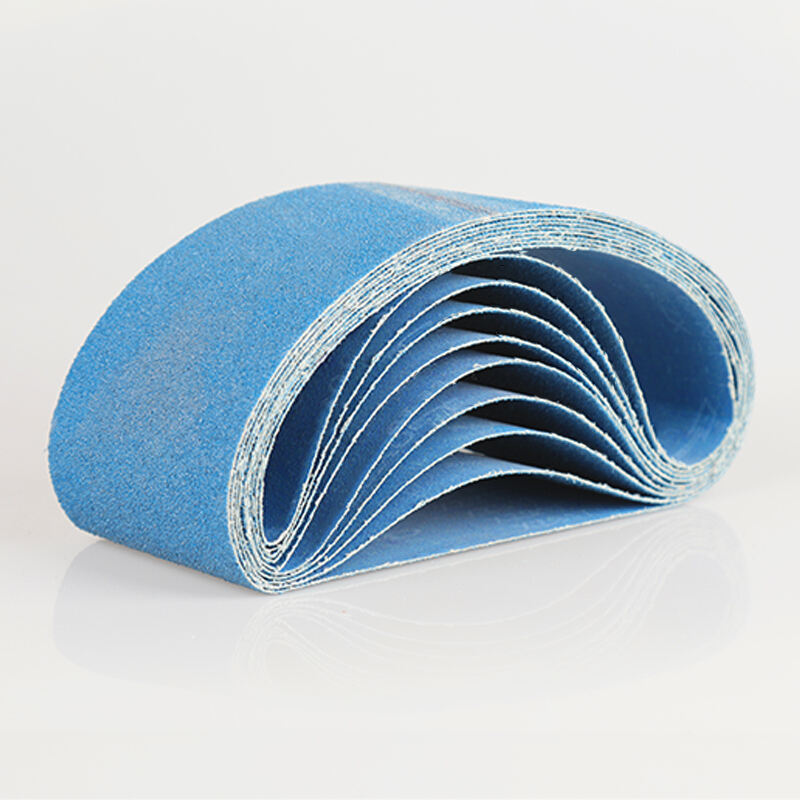
Flat edge sanding belts are abrasive tools characterized by their straight, uniform edges, engineered to deliver precise, even sanding on flat surfaces and sharp edges, making them indispensable in applications where planar accuracy is critical. Unlike rounded or contoured belts, their flat edge design ensures full contact with flat workpieces, such as wooden boards, metal sheets, plastic panels, and composite materials, eliminating gaps that could lead to uneven sanding or missed spots. The construction of these belts focuses on maintaining edge straightness, with backing materials—typically rigid yet flexible cloth or paper—that resist warping, even after prolonged use. This stability is reinforced by the bonding agent, which ensures the abrasive grains remain evenly distributed along the flat edge, preventing irregular wear that could compromise surface flatness. Available in a range of grit sizes, from coarse (40-80) for leveling uneven metal or wood surfaces to fine (320-600) for preparing flat surfaces for painting or plating, flat edge sanding belts cater to both material removal and finishing stages. In woodworking, they are used to sand large flat panels, such as table tops or cabinet doors, ensuring a level surface free of dips or high spots. In metalworking, they excel at sanding sheet metal, metal plates, or flat steel structures, removing mill scale, rust, or tool marks to create a smooth, uniform base. These belts are commonly paired with belt sanders or wide-belt sanding machines, which apply consistent pressure across the flat edge, further enhancing the precision of the sanded surface. The flat edge design also makes them ideal for sanding the edges of flat workpieces, such as trimming the edges of wooden boards to ensure they are straight and square. For industries where flatness and uniformity are non-negotiable—such as aerospace (for aircraft panels), automotive (for body panels), or furniture manufacturing—flat edge sanding belts are essential for achieving the high-quality, precise surfaces required. Their ability to maintain edge straightness while delivering consistent abrasion ensures that flat workpieces meet strict dimensional and surface quality standards, contributing to the production of durable, aesthetically pleasing products.
 EN
EN