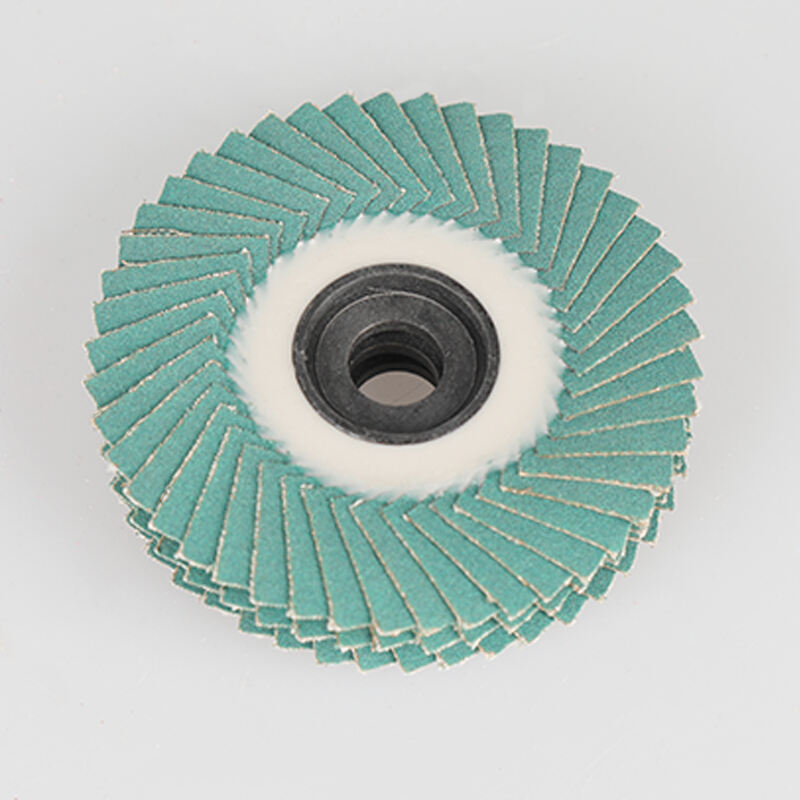
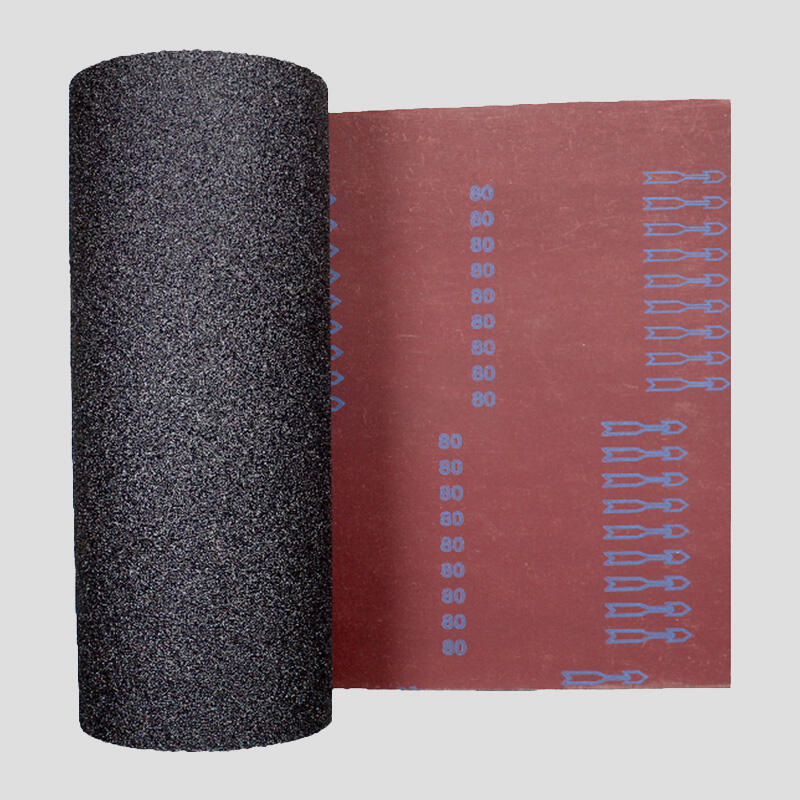
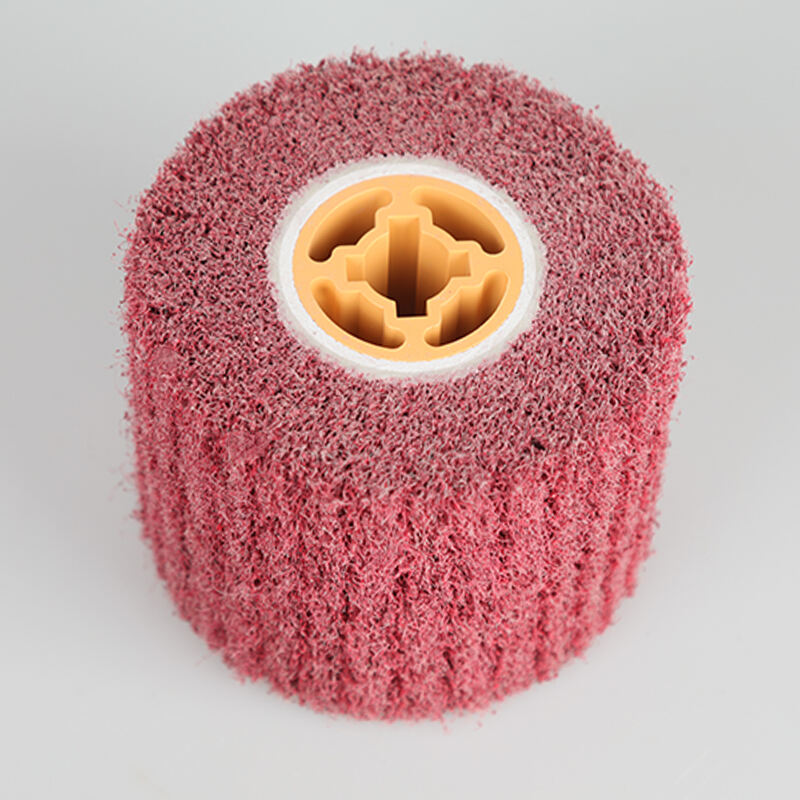
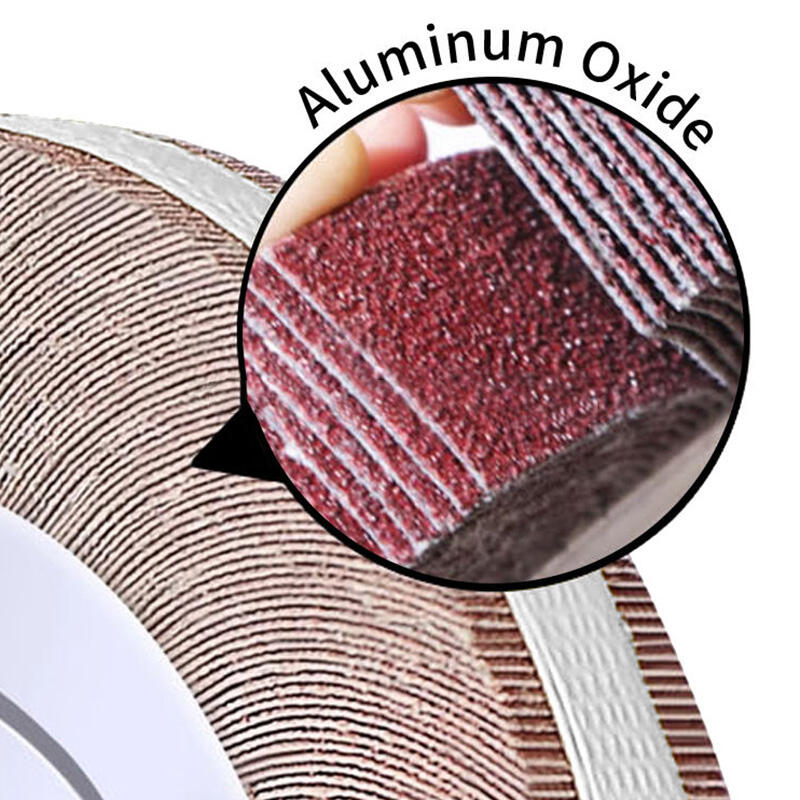
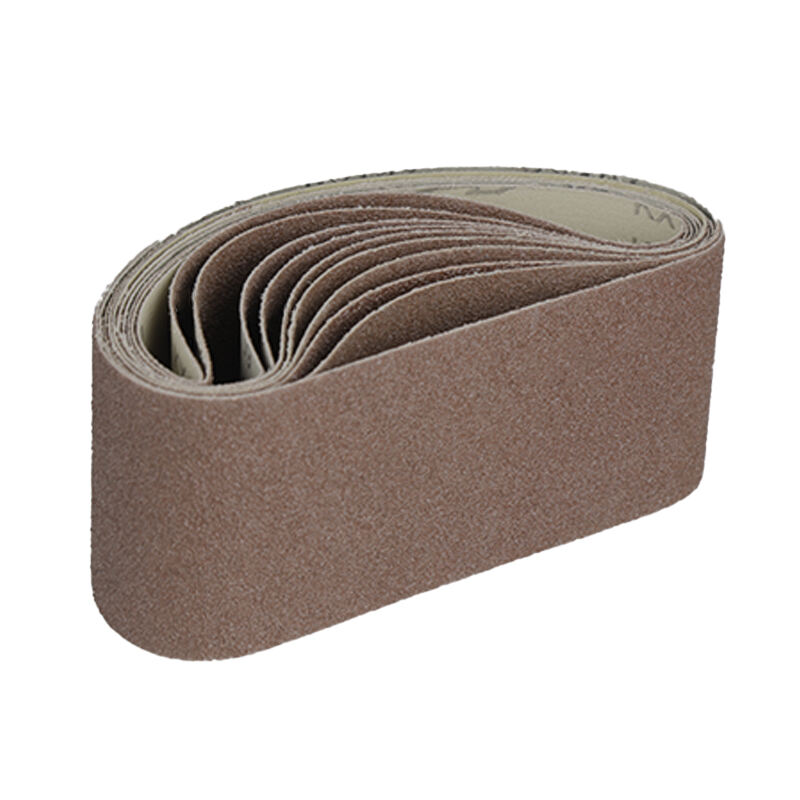
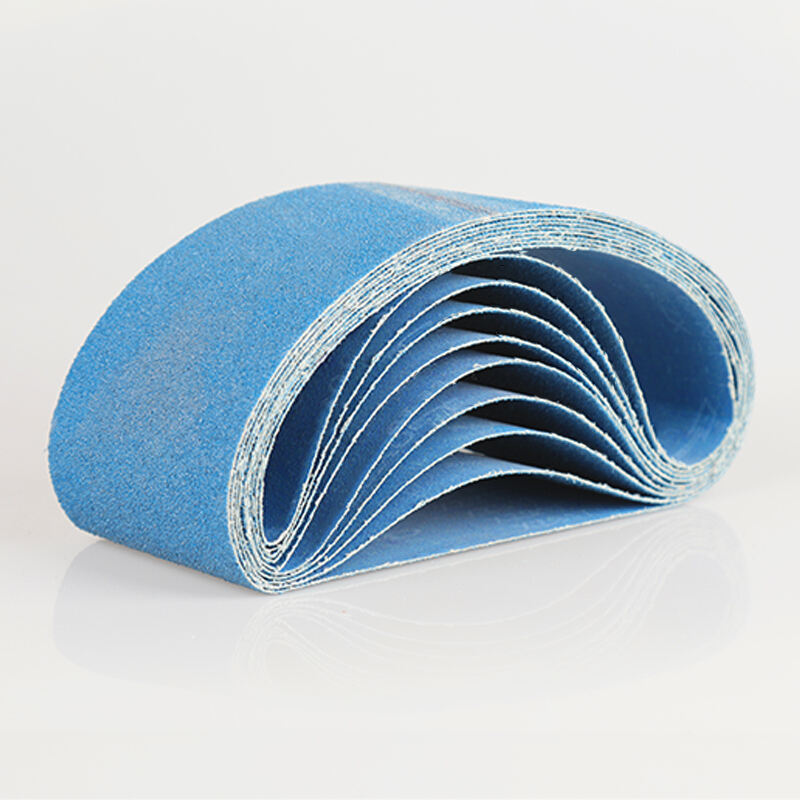
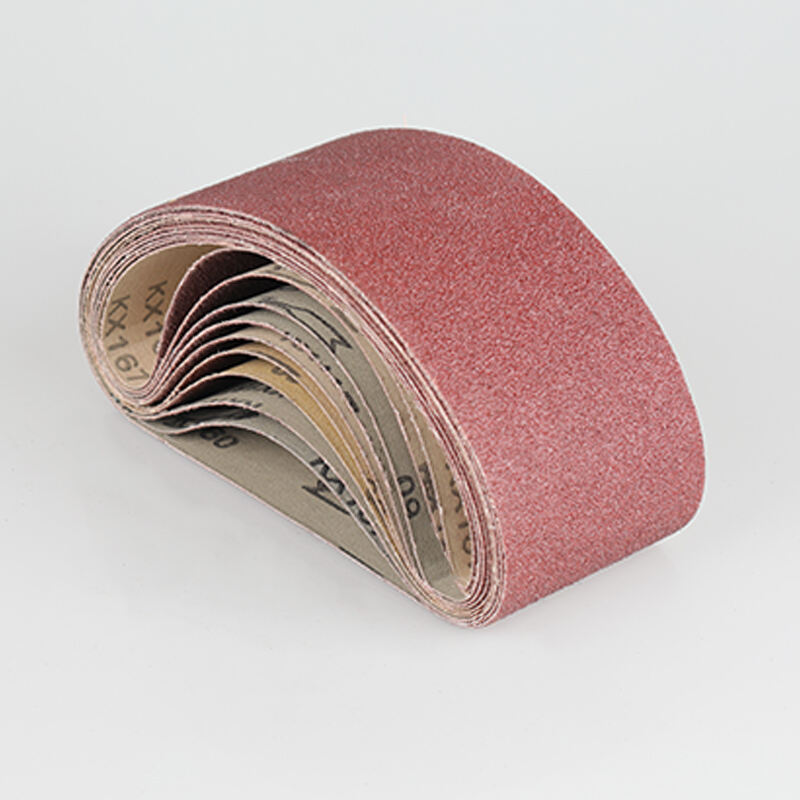
Resin sanding belts for metal are specialized abrasive tools designed to meet the demands of metalworking, leveraging resin bonding systems to ensure durability, heat resistance, and consistent performance when sanding ferrous and non-ferrous metals. The core of these belts lies in their resin adhesive, which is formulated to withstand the high friction and heat generated during metal sanding—far more intense than that of woodworking. This resin bond securely holds the abrasive grains (typically aluminum oxide, zirconia alumina, or silicon carbide) to the backing material, preventing grain shedding even when abrading hard metals like steel, stainless steel, or titanium. The backing itself is often a heavy-duty cloth or a cloth-paper composite, chosen for its strength and resistance to tearing under the pressure of metal sanding, while still maintaining enough flexibility to conform to curved metal surfaces, such as pipes or automotive components. Resin sanding belts for metal are available in a range of grit sizes, tailored to different metalworking stages: coarse grits (36-80) for heavy material removal, such as stripping rust, removing weld seams, or shaping metal stock; medium grits (120-240) for deburring, blending welds, and preparing surfaces for painting or plating; and fine grits (320-600) for final finishing, smoothing scratches, and achieving a uniform surface texture. In metal fabrication, these belts are used to remove mill scale from hot-rolled steel, clean welds, and prepare metal surfaces for coating or assembly. In automotive repair, they tackle rust removal from car frames and smooth metal panels before painting. In aerospace manufacturing, they refine the surfaces of metal components to precise tolerances, ensuring proper fit and function. A key advantage of resin bonding is its resistance to loading—the buildup of metal particles on the abrasive surface. The resin creates a hard, smooth bond line that minimizes particle adhesion, reducing clogging and maintaining cutting efficiency over time. This is particularly important for non-ferrous metals like aluminum, which tend to soften under heat and can gum up standard sanding belts; the resin’s smooth surface helps prevent aluminum from sticking to the grains. Additionally, the heat resistance of the resin prevents the belt from deteriorating or delaminating when sanding hot metals, ensuring a longer lifespan compared to belts with weaker adhesives. Whether used in manual sanding with handheld belt sanders or in automated metalworking lines, resin sanding belts for metal deliver reliable, repeatable results, making them a cornerstone of efficient metal surface preparation and finishing. Their ability to handle the unique challenges of metal sanding—heat, hardness, and loading—ensures that metalworkers can achieve clean, precise surfaces with minimal downtime.
 EN
EN