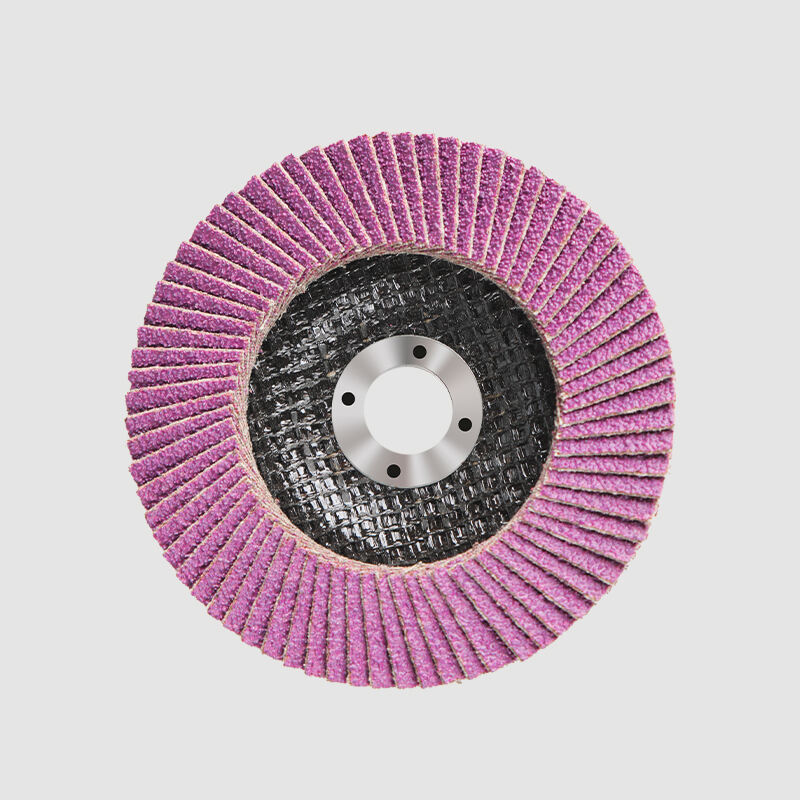
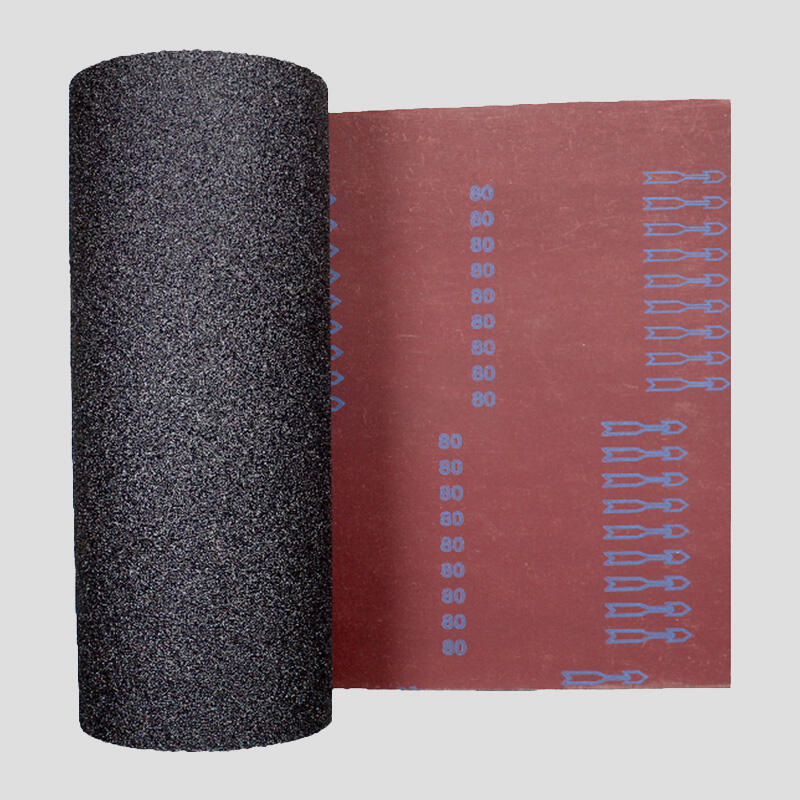
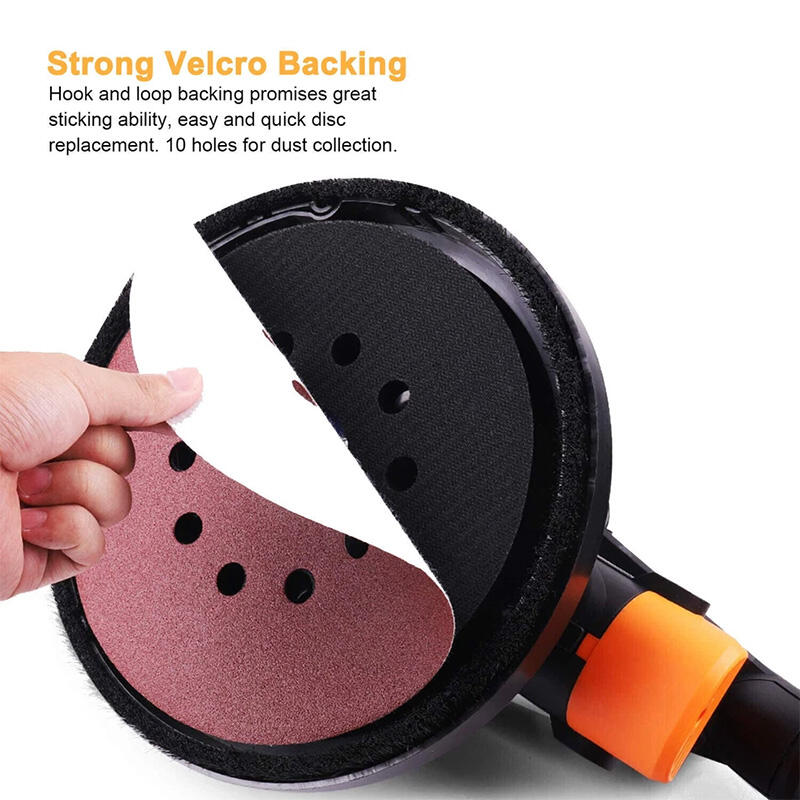
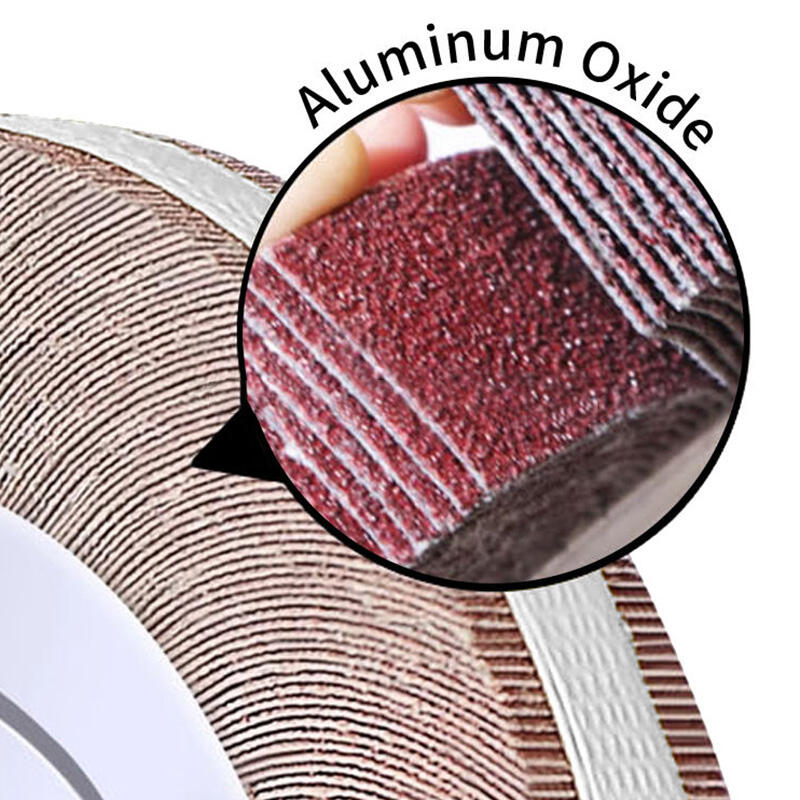
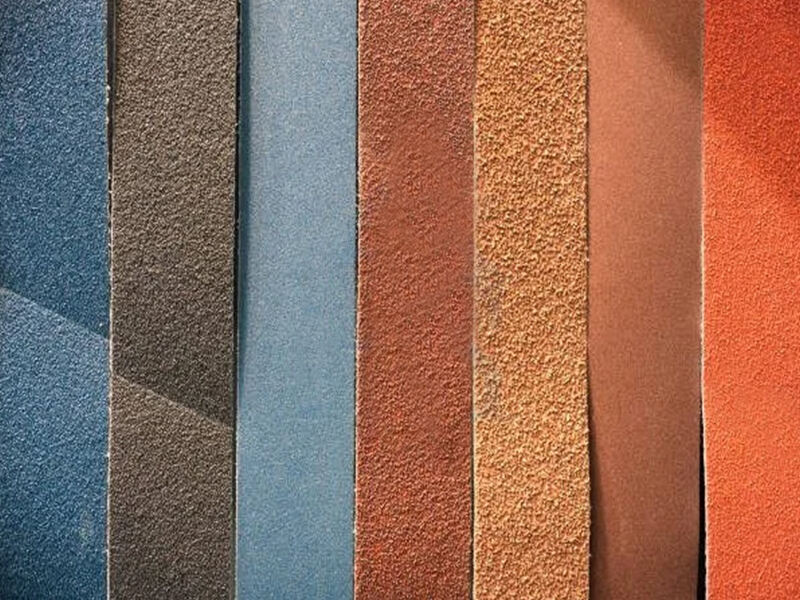
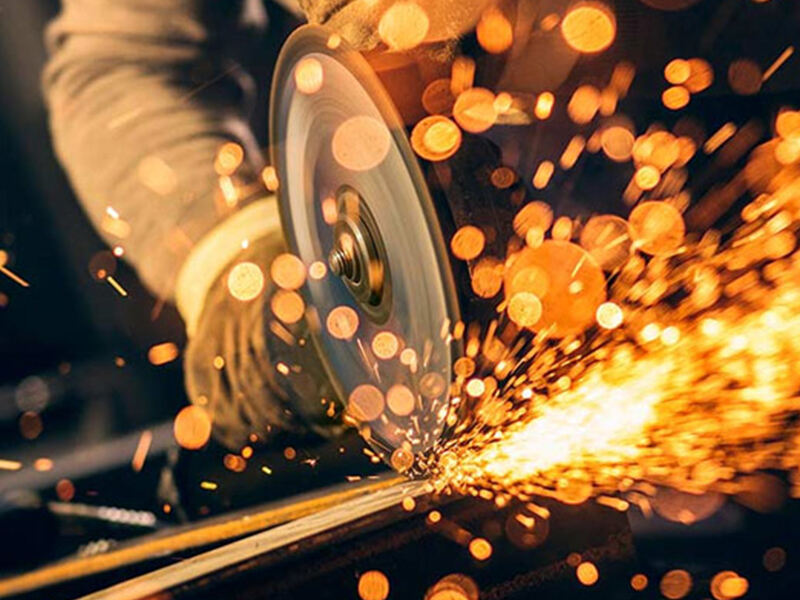
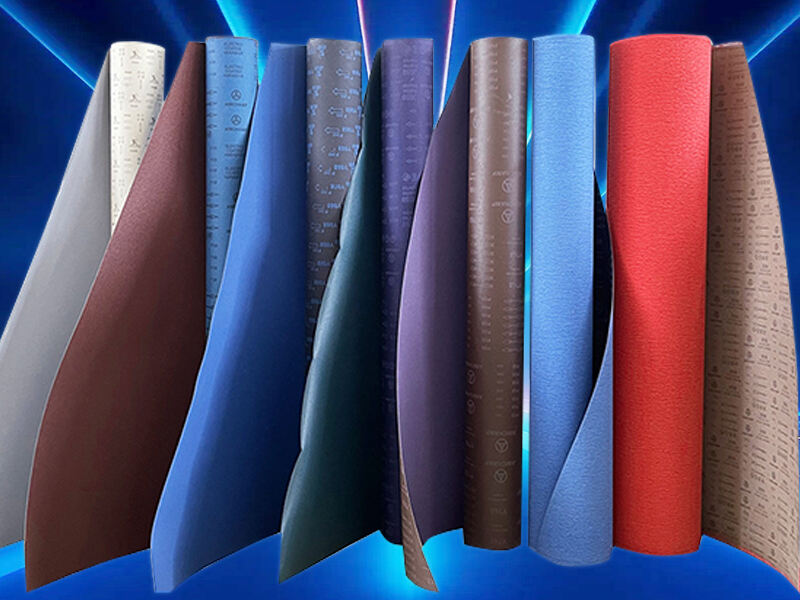
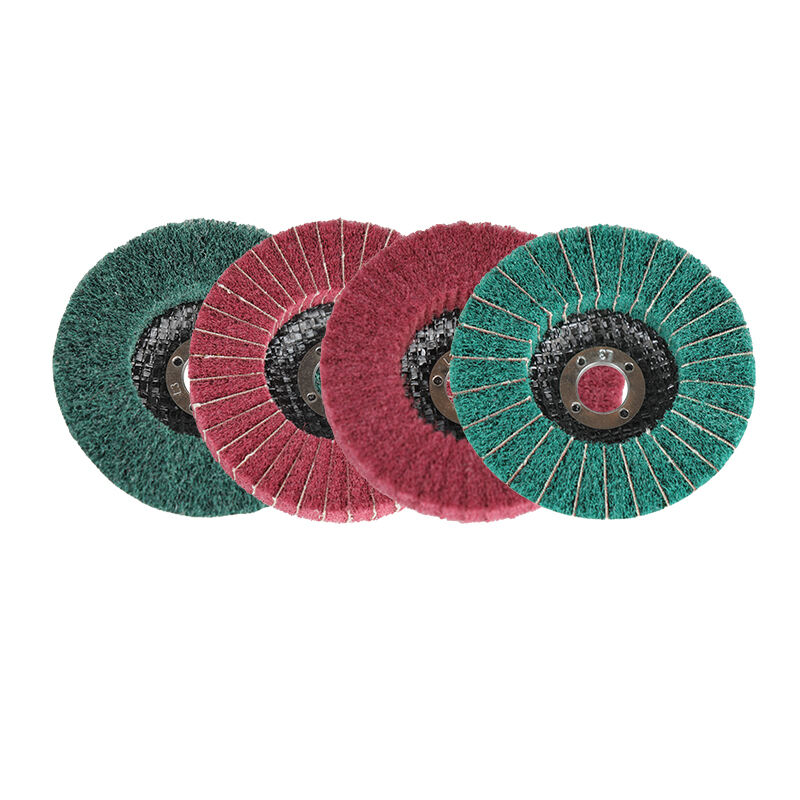
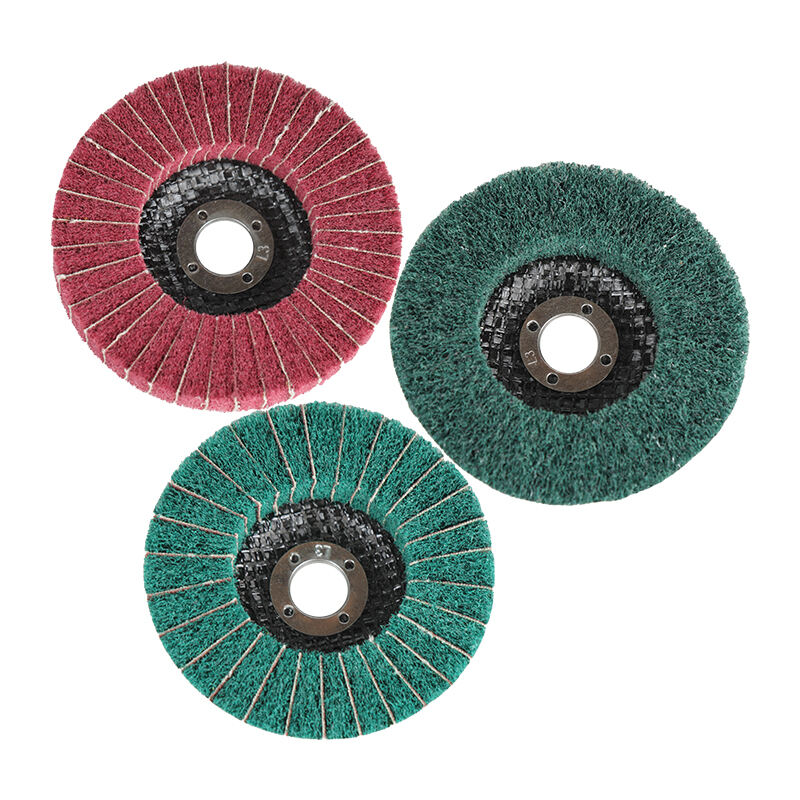
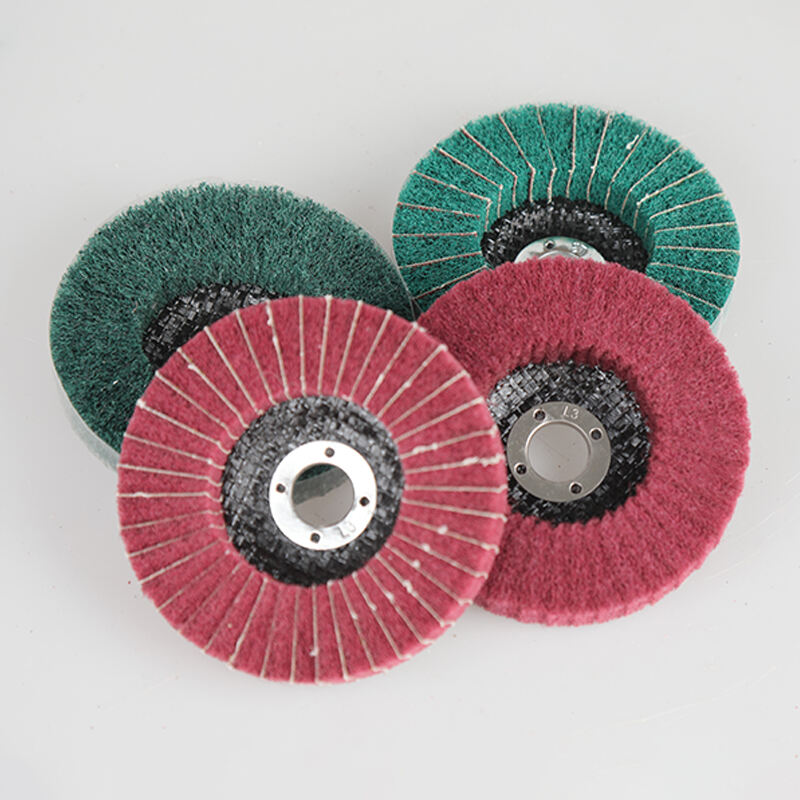
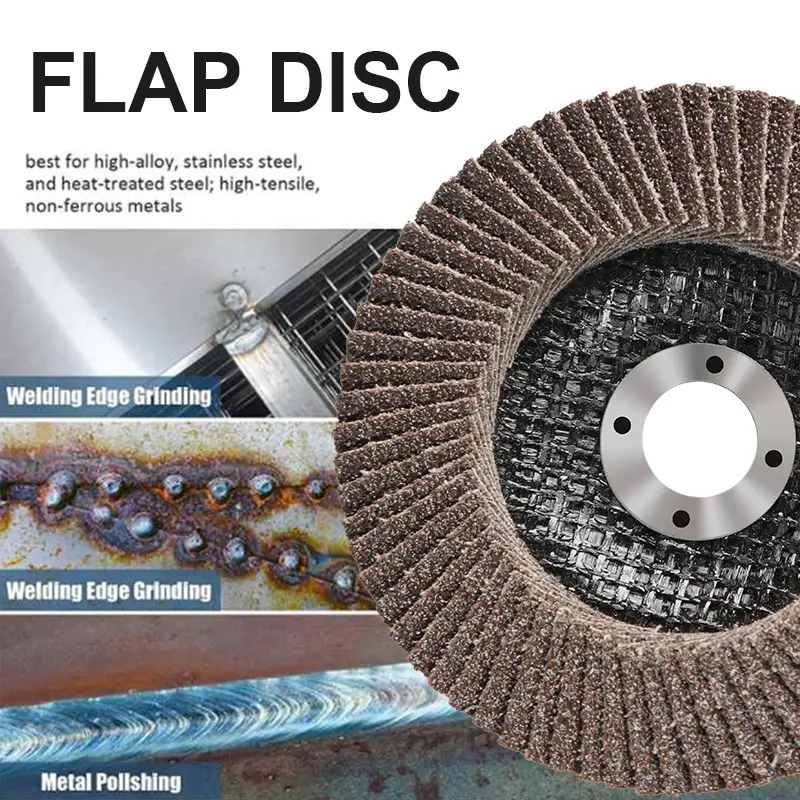
Micro porous polishing wheels are innovative abrasive tools characterized by their porous structure, featuring tiny, interconnected pores that enhance performance in surface finishing by improving debris removal, heat dissipation, and polishing compound retention. The micro porous design—created through specialized manufacturing processes that introduce controlled air pockets into the wheel’s matrix (often made from foam, felt, or a composite material)—allows the wheel to trap and expel swarf (abrasive debris) during polishing, preventing clogging that would otherwise reduce efficiency and cause surface scratches. This self-cleaning action ensures consistent contact between the abrasive grains and the workpiece, maintaining uniform polishing throughout the wheel’s lifespan. The pores also act as heat sinks, dissipating the friction-generated heat that can damage heat-sensitive materials like aluminum, copper, or plastic, making these wheels ideal for polishing soft metals and polymers where overheating risks warping or discoloration. Additionally, the porous structure retains polishing compounds (such as abrasive pastes or liquids) within the wheel, releasing them gradually during use to enhance the polishing action and reduce the need for frequent reapplication. Micro porous polishing wheels are available in various pore sizes, densities, and abrasive grits, from fine to ultra-fine, to suit different materials and finishing stages. In metalworking, they excel at polishing soft metals like brass and aluminum, where their gentle action and heat dissipation prevent surface burnishing. In plastics processing, they smooth acrylics and polycarbonates, achieving a clear, scratch-free finish by avoiding the buildup of plastic debris. In automotive refinishing, they are used to buff clear coats, removing micro-scratches without damaging the paint. The flexibility of the porous matrix allows the wheels to conform to irregular surfaces, such as curved metal parts or intricate plastic components, ensuring even polishing in hard-to-reach areas. They are compatible with low-speed polishers and handheld tools, providing versatility in both manual and automated operations. For industries where precision and material compatibility are critical—such as medical device manufacturing (polishing stainless steel instruments) or consumer electronics (finishing plastic casings)—micro porous polishing wheels offer a superior solution. Their ability to balance aggressive polishing with material protection, combined with their long lifespan and reduced maintenance needs, makes them a valuable tool for achieving high-quality, consistent surface finishes in demanding applications.
 EN
EN