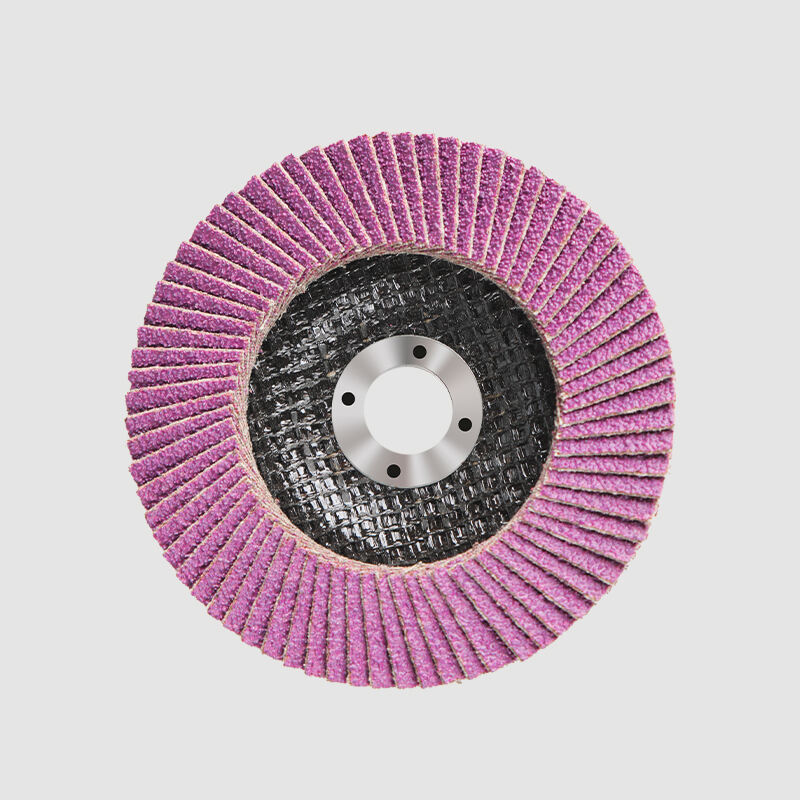
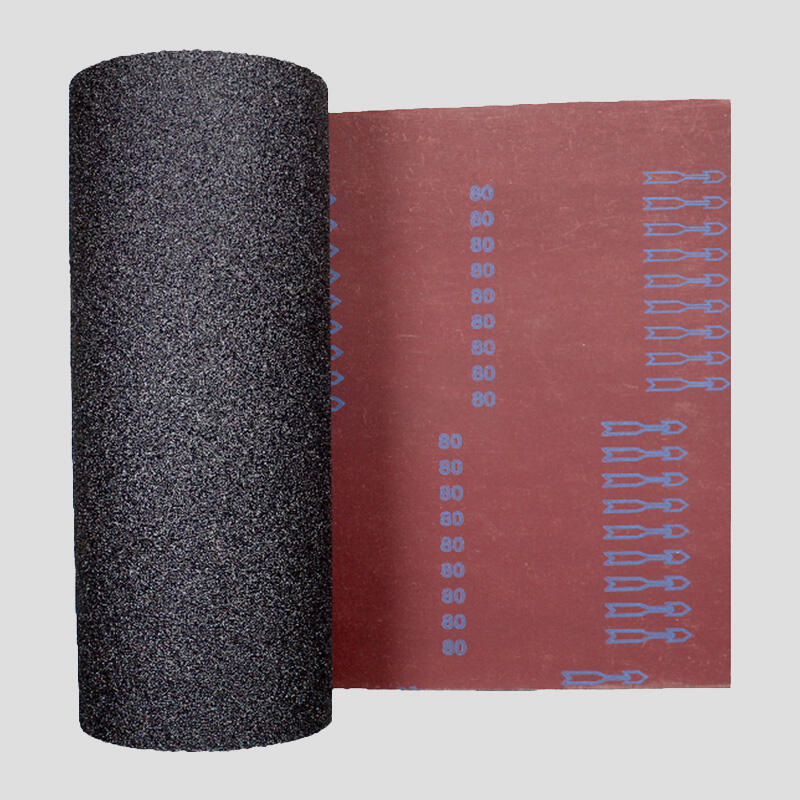
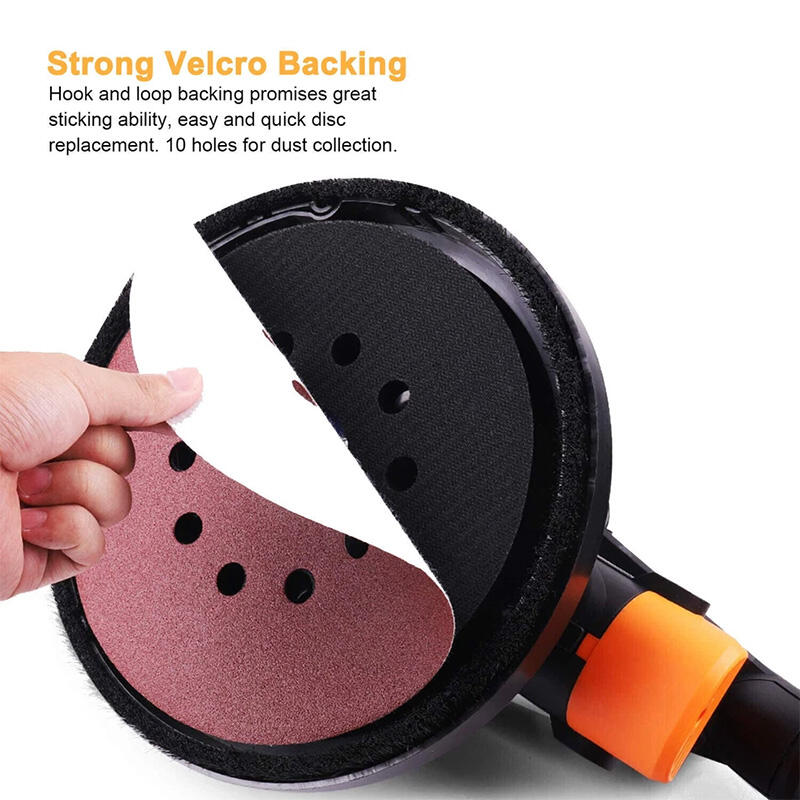
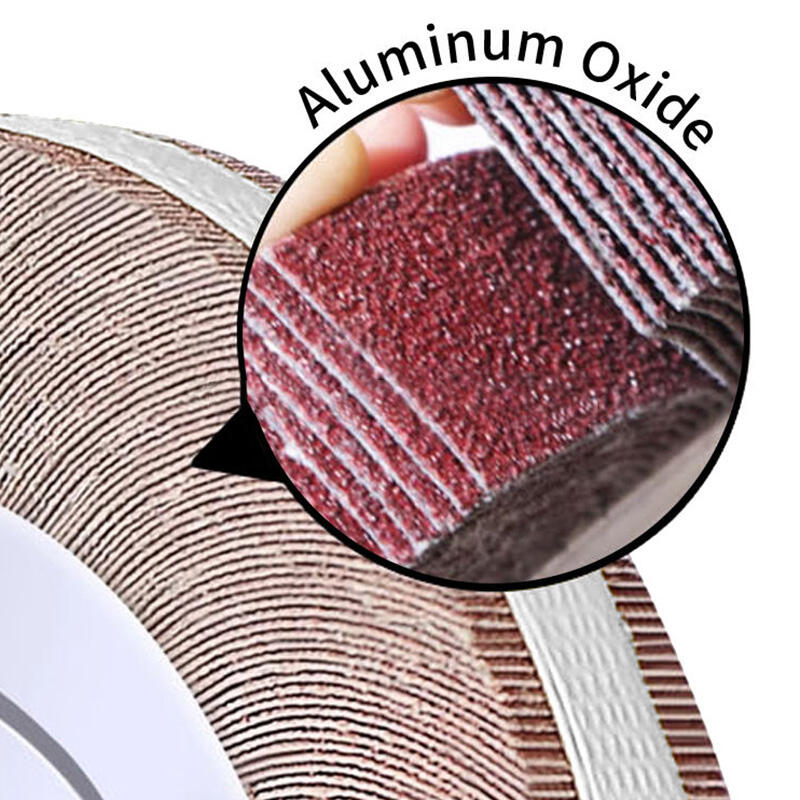
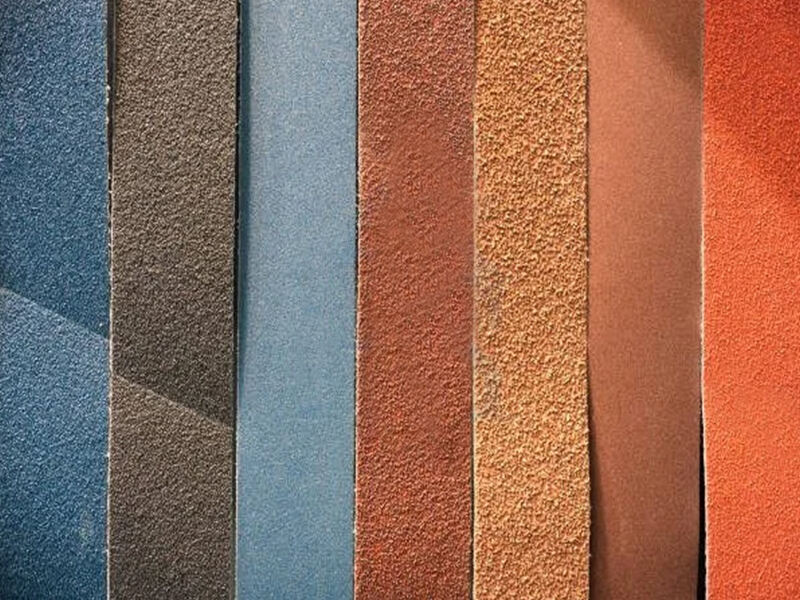
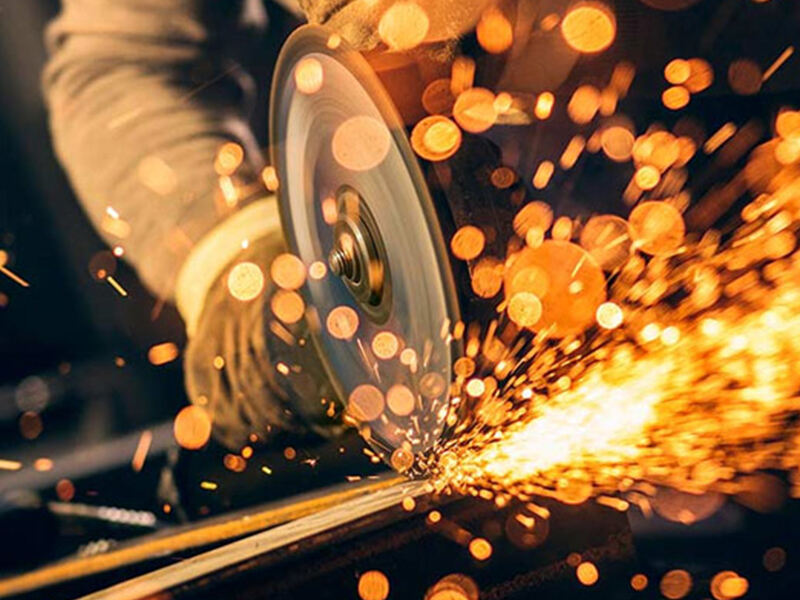
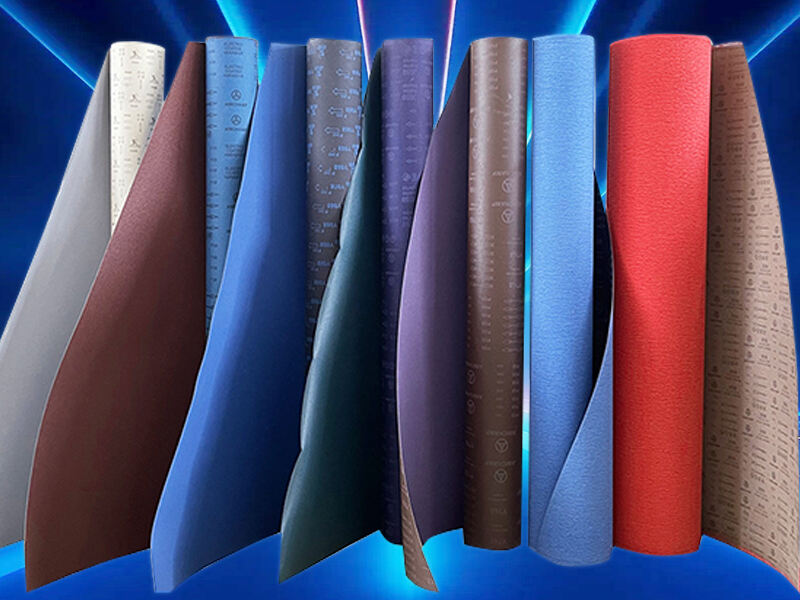
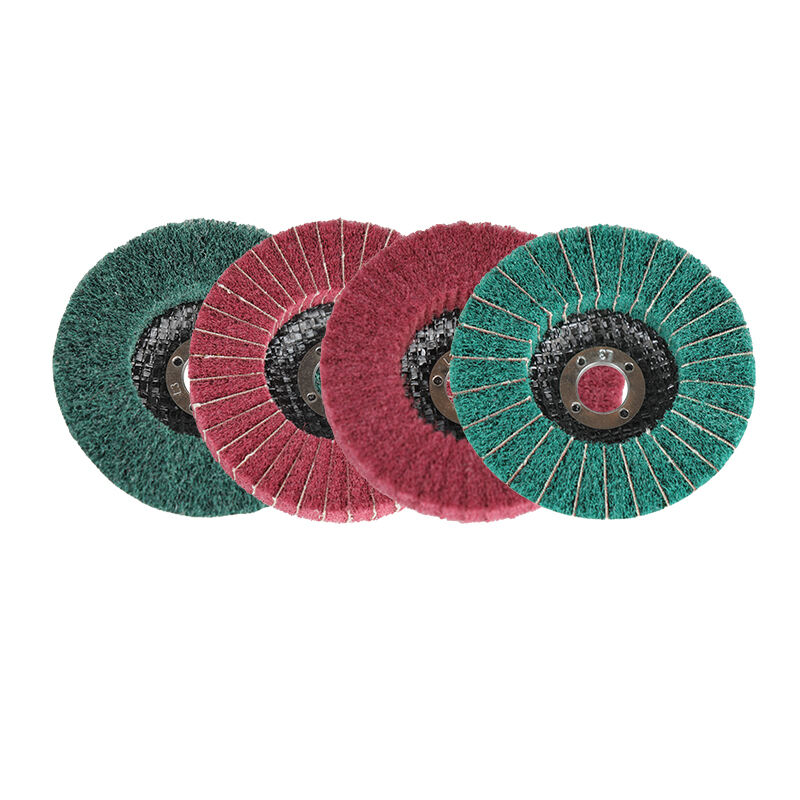
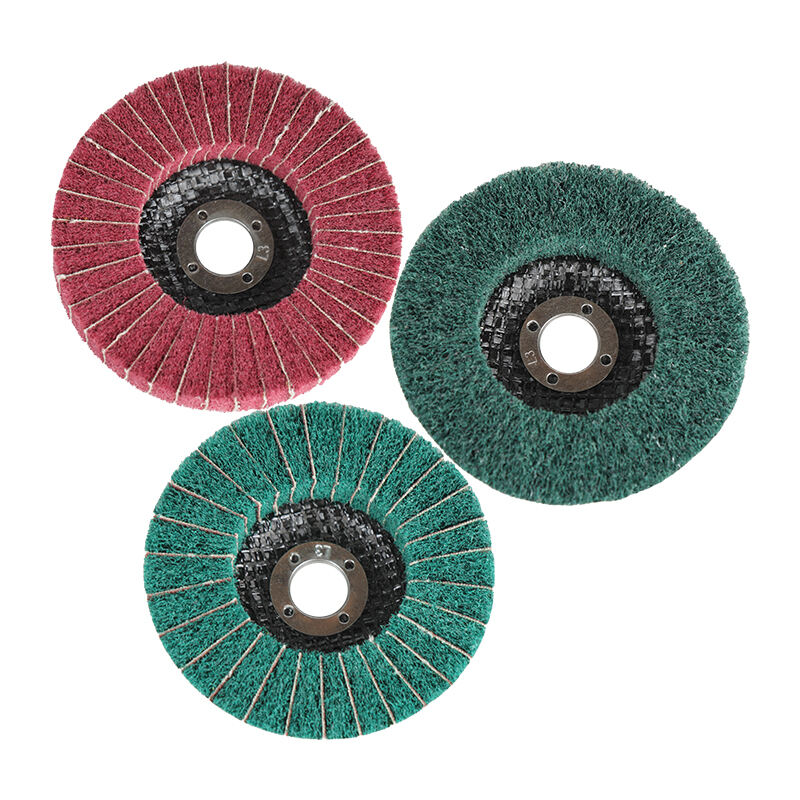
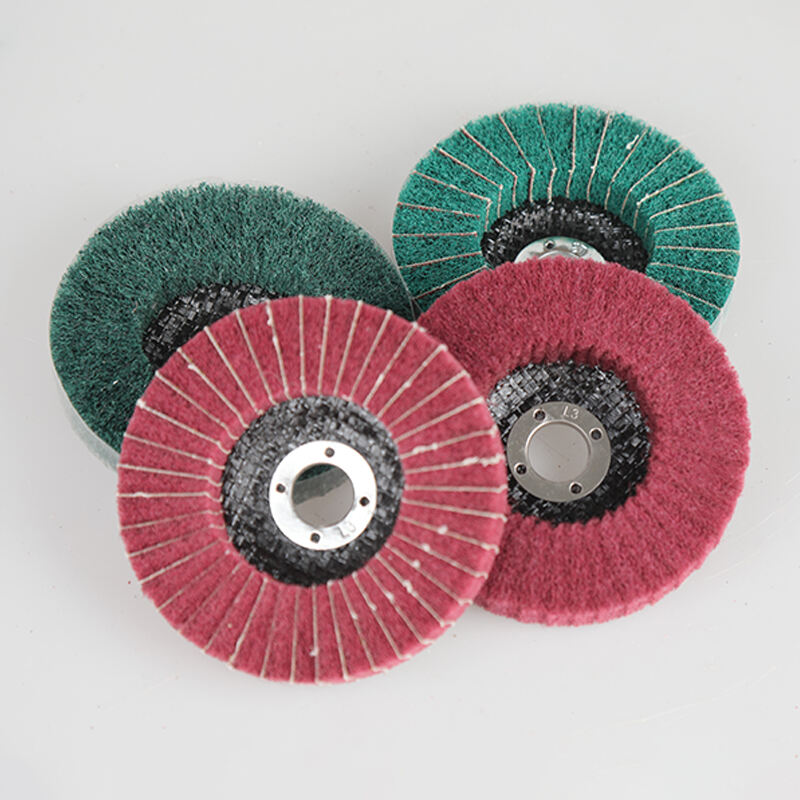
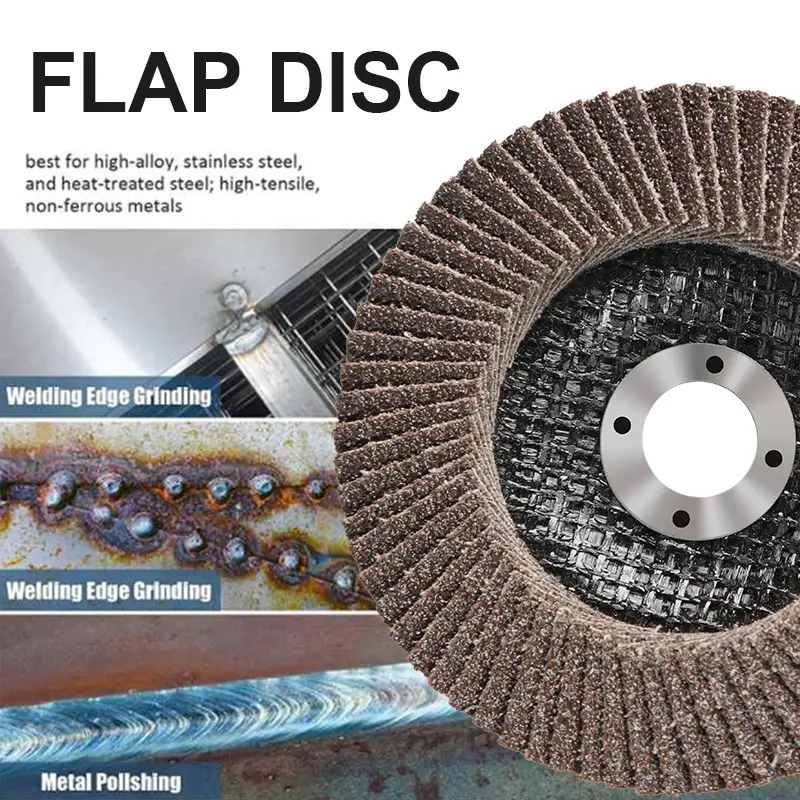
Polishing wheel for metalworking is a precision abrasive tool engineered to refine metal surfaces, transforming rough, uneven substrates into smooth, reflective finishes across a range of ferrous and non-ferrous metals. These wheels consist of a core (often metal, plastic, or fiber) wrapped in an abrasive medium—such as felt, cotton, sisal, or a synthetic blend—impregnated with abrasive grains (aluminum oxide, zirconia alumina, silicon carbide, or diamond, depending on the metal’s hardness). The design varies by application: sisal wheels, with their coarse texture, are used for initial polishing to remove deep scratches, oxidation, or weld marks; cotton wheels, softer and more flexible, handle intermediate refining; and felt wheels, ultra-soft, deliver final mirror-like finishes. Grit sizes range from coarse (80-120) for aggressive material removal to ultra-fine (1000+) for high-gloss results, allowing metalworkers to progress through stages of refinement. Key to their effectiveness is the ability to dissipate heat—critical for preventing metal discoloration or warping—achieved through porous materials that allow air circulation and, in some cases, compatibility with cooling lubricants. In steel fabrication, these wheels remove mill scale and burrs, preparing surfaces for plating or painting. In aluminum processing, they smooth extrusion marks, enhancing the metal’s natural luster. For precious metals like brass or copper, they restore tarnished surfaces to a bright shine. Polishing wheels for metalworking are compatible with bench polishers, angle grinders, and specialized polishing machines, with speed and pressure adjusted based on the metal type—higher speeds for hard metals like steel, lower speeds for soft metals like aluminum to avoid smearing. They are essential in industries such as automotive (polishing trim and exhaust components), jewelry making (finishing rings and bracelets), and aerospace (refining turbine parts). The choice of wheel material and abrasive grain is tailored to the metal’s properties: diamond-impregnated wheels for hardened steel, silicon carbide for non-ferrous metals. By ensuring uniform abrasion and controlled material removal, these wheels not only enhance aesthetics but also improve functional performance—reducing friction in moving parts, for example. For professionals, they are a cornerstone of metal finishing, enabling the production of high-quality, visually consistent, and functionally reliable metal components.
 EN
EN