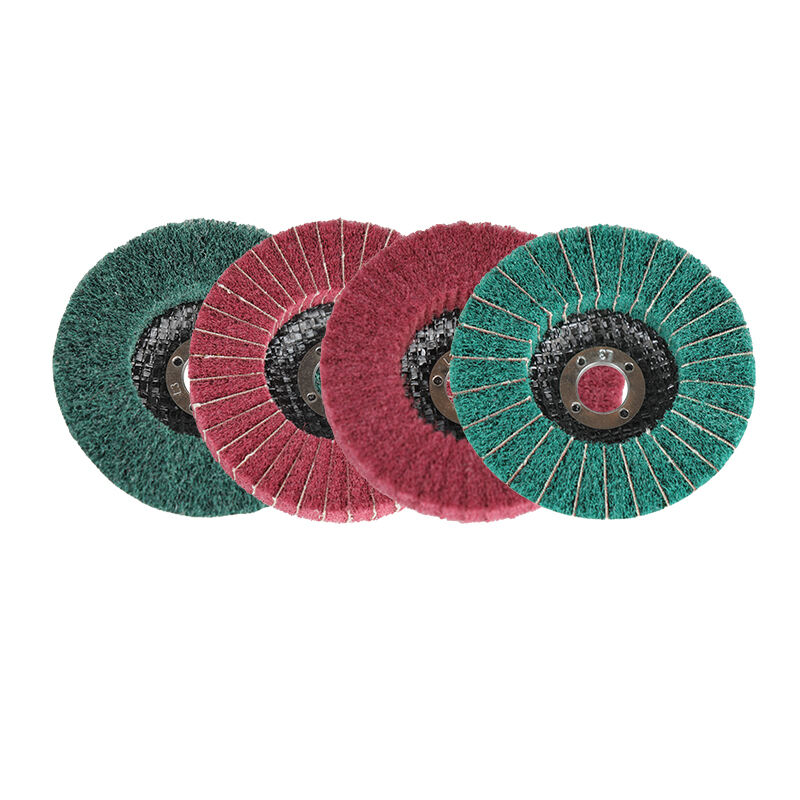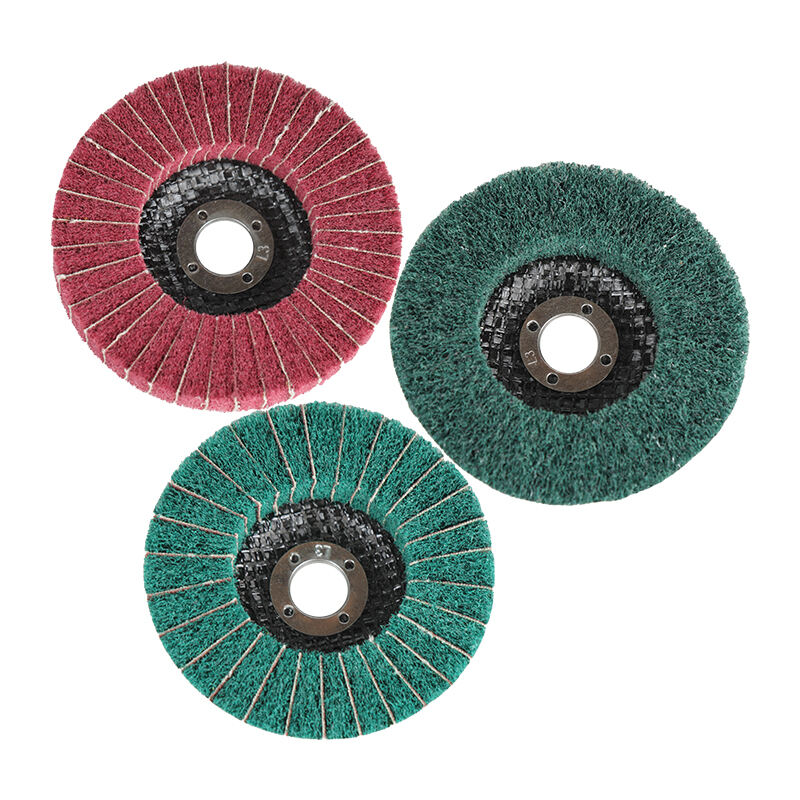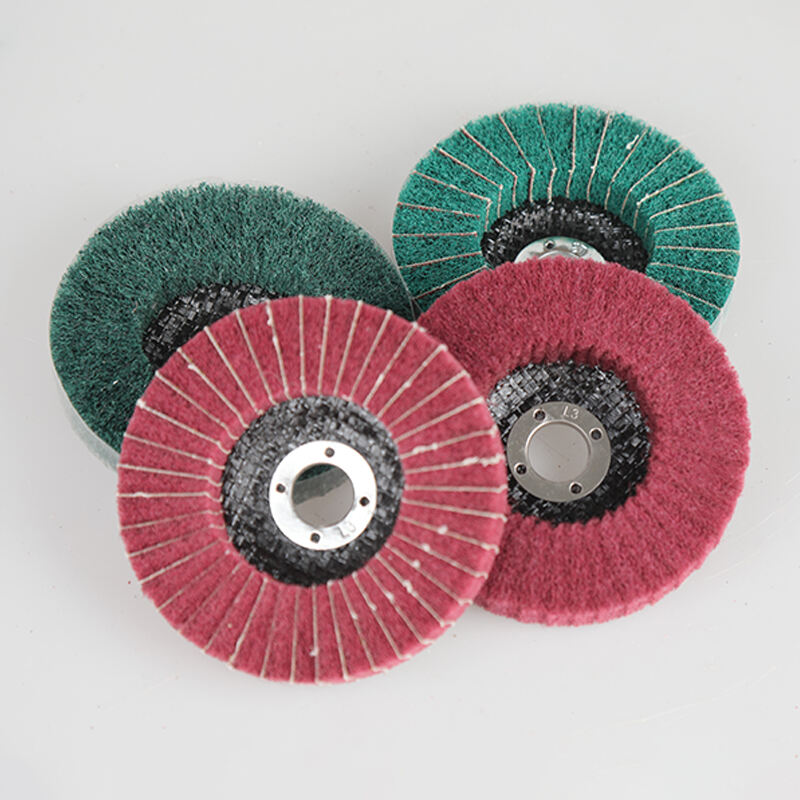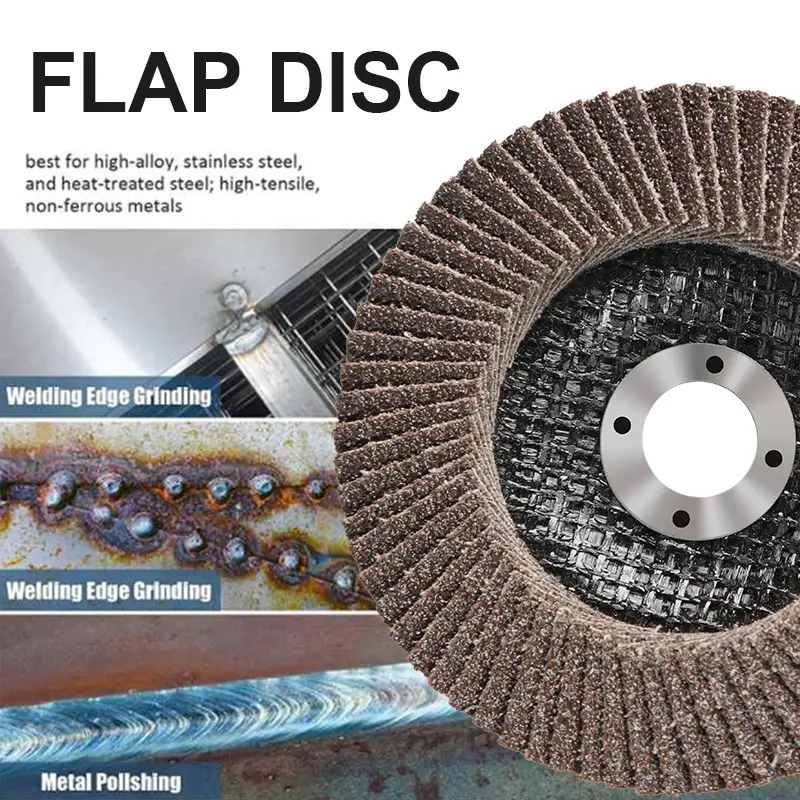
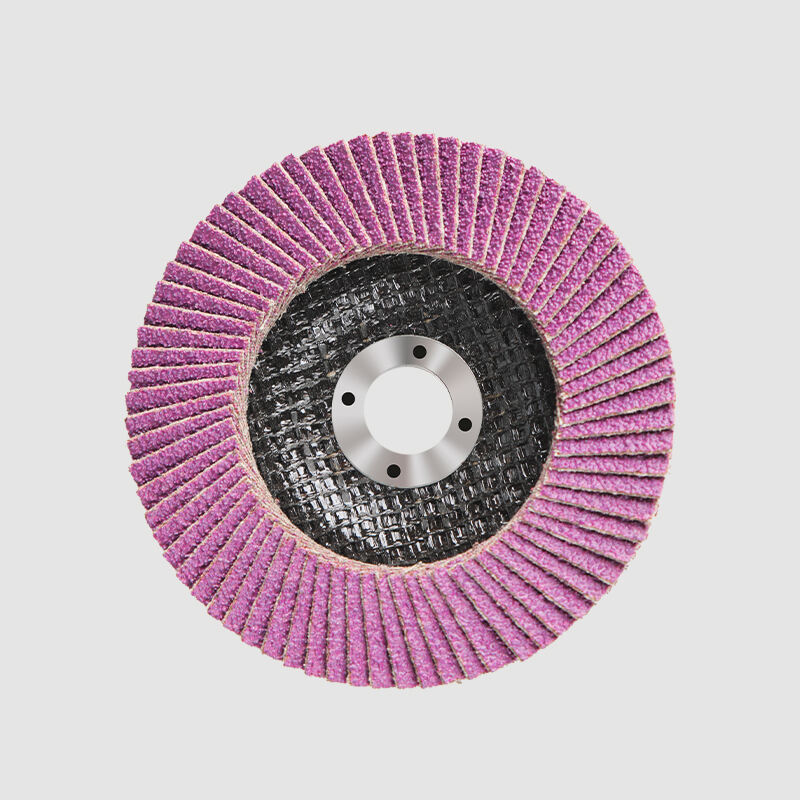
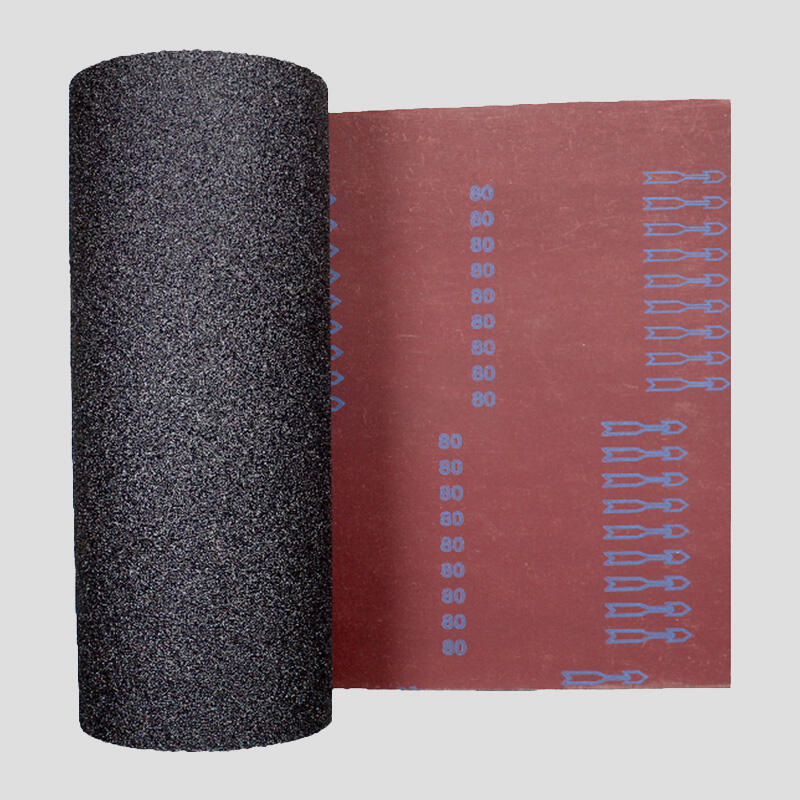

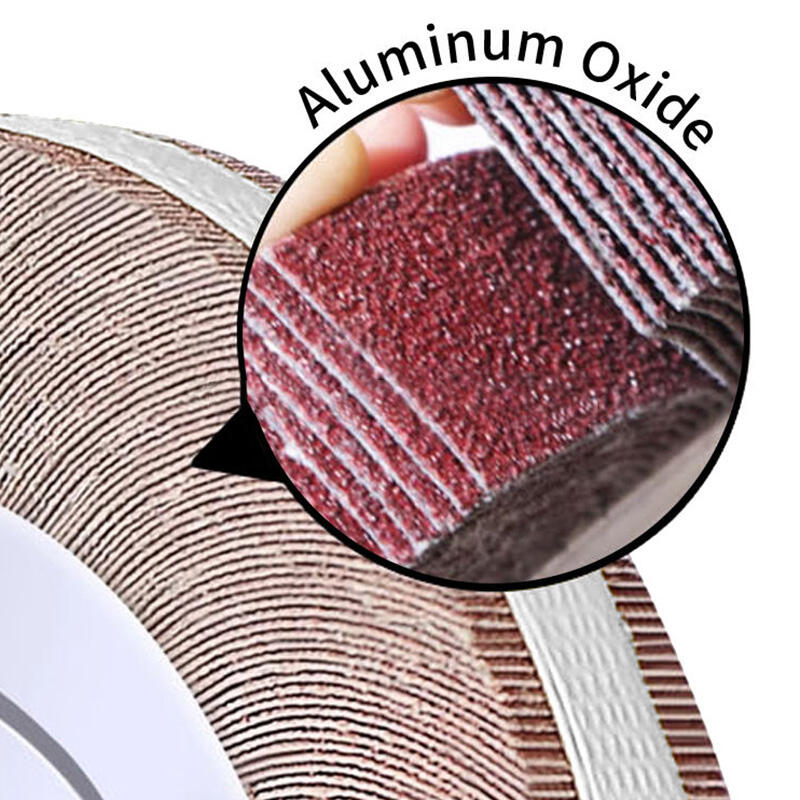
High precision polishing wheels are advanced abrasive tools engineered to achieve exacting surface tolerances and uniformity, critical for applications where even microscopic imperfections can compromise performance. These wheels are manufactured with rigorous quality control, ensuring consistent abrasive grain distribution, precise grit sizing, and stable backing materials that minimize vibration and deflection during use. The abrasive grains—often diamond, CBN, or ultra-pure alumina—are selected for their hardness and uniformity, bonded to a rigid yet slightly compliant backing (metal, ceramic, or high-density foam) that maintains dimensional stability under pressure. This design ensures that the wheel removes material at a predictable rate, achieving surface flatness within microns or even nanometers, and roughness values (Ra) as low as 0.1 nm in specialized applications. High precision polishing wheels are used in semiconductor manufacturing to polish silicon wafers, where surface flatness directly impacts circuit lithography. In optical engineering, they shape and finish lenses, prisms, and mirrors, ensuring light transmission and reflection with minimal distortion. In precision tooling, they refine carbide or ceramic cutting tools, enhancing edge sharpness and wear resistance. These wheels often integrate with computer numerical control (CNC) polishing systems, where speed, pressure, and trajectory are programmatically controlled to achieve uniform results across large or complex workpieces. They may operate with abrasive slurries or chemical-mechanical polishing (CMP) fluids that enhance material removal precision. For industries like aerospace (gyroscopes), medical devices (laser components), and microelectronics, high precision polishing wheels are indispensable, enabling the production of components that meet the most stringent performance and quality standards.