EN
EN
Understanding Abrasive Tool Types and Their Primary Applications
Common Types of Industrial Abrasives: Grinding Wheels, Cut-Off Discs, Flap Discs, and Wire Brushes
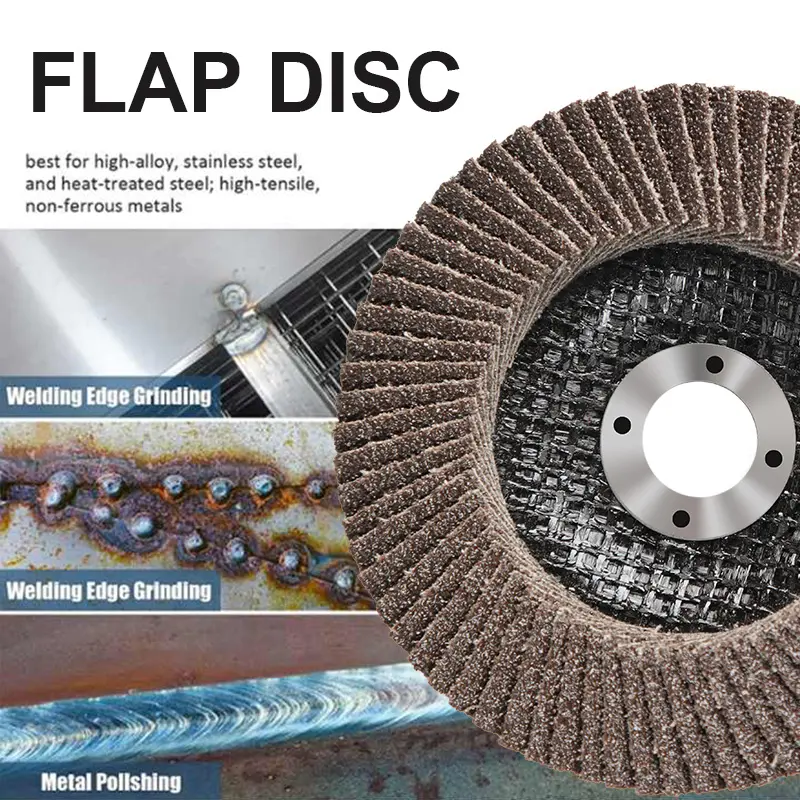
In industrial settings, four main types of abrasive tools stand out: grinding wheels when someone needs to take off lots of material quickly, cut-off discs for those clean slices through things like rebar or pipes without leaving rough edges, flap discs which handle both grinding down rough spots and smoothing them out at the same time, saving workers from switching tools constantly during repairs or wood projects, and wire brushes that get rid of rust and dirt before applying finish coats, making sure other abrasives last longer because they don't have to work as hard against already cleaned surfaces. Most shops find these different tools essential depending on what job comes up next day after day.
Core Functions: Cutting, Grinding, Deburring, and Finishing With the Right Abrasive Tool
Different abrasive tools work best for different stages of material processing. The coarse ones, around 24 to 60 grit, are great when we need to take off material quickly from parts. Fine grits starting at about 180 up to over 2400 create those super smooth surfaces needed for alloy components. Medium grit tools strike a good balance between cutting speed and preserving edges during deburring operations. These often contain ceramic alumina grains which help keep things cool during grinding. According to a study from Ponemon back in 2023, using abrasives that match the grain size requirements can boost productivity by roughly 34% in metal stamping shops. Makes sense really – getting the right tool for the job just works better in practice than trying to force something else to fit.
Industry-Specific Use Cases: Metalworking, Automotive, Woodworking, and Aviation
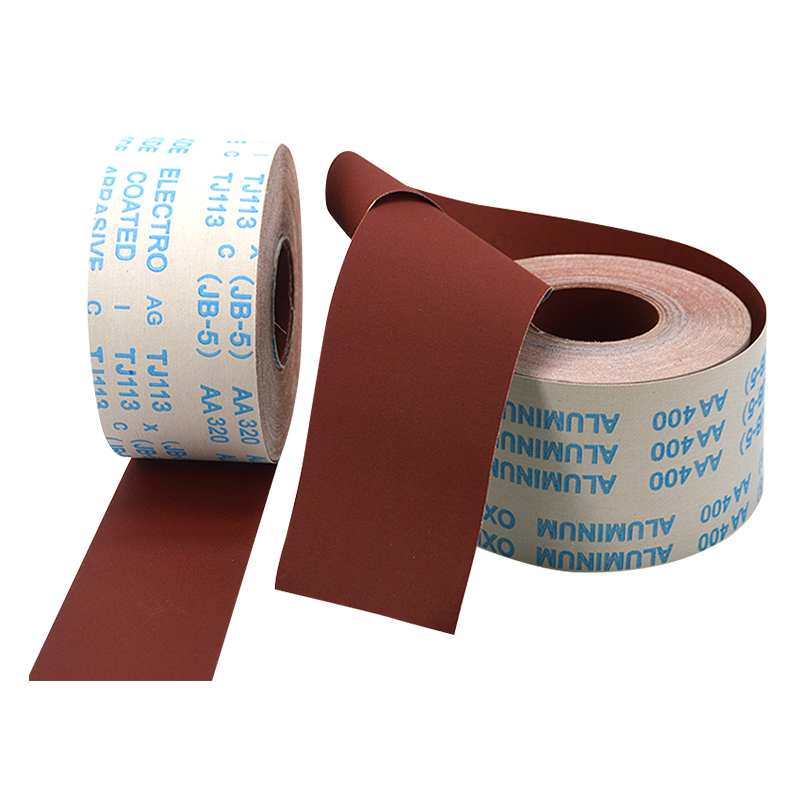
Most automotive techs grab flap discs when working on exhaust systems because they bend around those awkward shapes and blend surfaces nicely. Over in aviation workshops, mechanics work with special bronze-reinforced abrasives that won't spark when touching delicate aircraft metals, which keeps everyone safe from fire hazards. Furniture makers often reach for zirconia sanding belts when shaping those tricky curves in wooden pieces, whereas foundry workers depend on silicon carbide wheels to get rid of all that stubborn residue from cast iron parts. Switching to these specific tools cuts down on wasted material somewhere between 15 to maybe 30 percent compared to using whatever generic stuff happens to be lying around, plus it stops different materials from mixing together during the process.
Matching Abrasive Material and Grit Size to Workpiece and Finish Requirements
Selecting abrasive grain type: aluminum oxide, zirconia, ceramic, and silicon carbide for performance
There are four main types of abrasive materials each with their own strengths in different situations. Aluminum oxide stands out because it lasts longer and costs less money, which makes it great for everyday grinding tasks on things like steel and cast iron surfaces. When working with heavy duty applications such as welding projects or reinforcing structural steel components, zirconia alumina becomes the go to choice. This material maintains its sharpness even when subjected to intense pressures and stays cool during operation thanks to special properties that resist heat buildup. Ceramic abrasives cut through tough materials aggressively while generating less heat compared to other options, which means tools last longer and finished surfaces look better overall. For jobs involving non ferrous metals or composite materials where dust accumulation can be problematic, silicon carbide works wonders. Its uniquely shaped particles break apart easily, preventing blockage issues that plague other abrasives in these specific applications.
How grit size affects efficiency and surface quality: coarse vs. fine for grinding and polishing
The size of grit has a big impact on how fast materials get removed and what kind of surface finish we end up with. When working with coarse grits in the range of 36 to 60, these babies can strip away old paint, mill scale, and those stubborn weld seams at least twice as quick compared to smaller grit sizes. Medium grits between 80 and 120 are great for smoothing things out after rough work, getting rid of those deep scratches so whatever gets applied next will stick properly. For really fine finishes on stuff like stainless steel or wood, people usually go for grits around 150 to 220 and beyond. But here's the catch - achieving that polished look takes way more passes over the same area, roughly 40% extra work according to some recent research. And if someone tries to skip steps, say going straight from 60 grit to 120 without stopping at 80, they'll find themselves spending about 22% longer overall because those bigger scratches just won't disappear properly.
Grit progression techniques for optimal finishes: from 60 to 1200+ in wood, metal, and composites
Progressive grit sequencing ensures defect-free finishes across materials:
- Metal products: 60 (smooth weld seam) † 120 (mixed scratches) „ 220 (pre painted) ‟ 400+(mirror polished)
- Carpenter: 80 (coarse sand) † 150 (smooth edges) „ 220 (stain treatment) ‟ 320 (final seal)
- Composite material: 36 (resin removal) † 80 (fiber arrangement) „ 180 (UV coated substrate)
Operators using three-step progressions on aerospace alloys report 30% fewer coating failures. For automotive mirror finishes, incremental steps up to 1200+ grit reduce polishing compound usage by 45%, improving both quality and cost-efficiency.
Tool Geometry: How Shape, Size, and Form Factor Impact Grinding Tool Performance
Influence of abrasive tool shape and diameter on access, pressure, and material removal rate
The shape and size of cutting tools really matters when it comes to how much surface they can reach, how pressure gets spread out, and just how fast materials get removed. When working with metals, bigger grinding wheels make a noticeable difference. A 7 inch wheel compared to a 4 inch one typically takes off about 20 to maybe even 35 percent more material because it covers more ground as it spins. Smaller diameter tools come in handy when there's not much room to maneuver, especially around tight corners or awkward angles. Tools with tapered edges help spread the force across the whole cutting surface instead of concentrating it on one spot, which means less chance of the edges breaking off during profile work. When tackling tough jobs such as removing welds, most professionals stick with 5mm thick cut-off discs since these stay stable even at those crazy high speeds of around 13,000 revolutions per minute. Thicker discs do last longer obviously, but they sacrifice some cutting speed for that extra toughness.
Matching form factor to contours and surfaces: flat, edge, and curved area applications
Choosing the right tool shape makes all the difference when it comes to avoiding damage and getting better control over the job. Take those flexible 125mm flap discs for instance they really work well on those curved engine cowls during aerospace polishing tasks. On the other end of the spectrum, rigid flat lap wheels can get surfaces within about 0.02mm of perfect flatness on machine bases. Tools with beveled edges actually give technicians around 25 degrees more reach when cleaning up parting lines on die cast parts compared to regular wheels. Automotive restorers know this too. When working on those hard to reach panel areas, 75mm roloc discs knock down old paint roughly 40 percent quicker than trying to do it manually with hand blocks. The shape of these tools isn't just about looks it directly affects how accurate and productive any given task becomes.
Ensuring Compatibility Between Abrasive Tools and Power Equipment
Pairing Abrasives with Correct Equipment: Angle Grinders, Random Orbital Sanders, and Belt Sanders
Getting the right abrasive for each power tool makes all the difference when it comes to staying safe, getting good results, and making sure equipment lasts longer. For angle grinders, cut-off wheels work best when cutting through metal. Random orbital sanders need those hook-and-loop discs because they help control vibrations during finish work. Belt sanders really shine with aluminum oxide belts, especially when taking off material quickly from wood or metal surfaces. According to research published last year, using the wrong combination can slash efficiency by around 34% and actually makes parts wear out twice as fast. Before grabbing any tool, check those RPM numbers, arbor size measurements, and how things mount together. Getting these details right prevents accidents and saves money on replacements down the road.
Hand vs. Power Tool Applications: Selecting the Right Grinding Tool for Manual or Machine Use
When working in those hard to reach spots or doing fine deburring work, hand tools such as sanding blocks and files really shine. Power tools cut through materials much quicker though, maybe around 35-40% faster when dealing with big surface areas according to some recent industry reports from last year. For getting into tricky weld seams, nothing beats a good rotary tool with those tiny grinding stones attached. Structural beams needing serious material taken off? Floor standing grinders are what most shops turn to for that kind of job. Choosing between these options depends largely on what needs doing and how experienced the person operating them is. Sure power tools boost productivity— but they come with their own set of safety requirements that cant be ignored. Plus, after hours of continuous operation, workers report feeling less fatigue compared to manual alternatives.
Evaluating Durability, Performance, and Cost-Effectiveness of Abrasive Solutions
Measuring abrasive wear, loading resistance, and tool life under industrial conditions
Abrasive tools typically lose 8–12% of their mass during standard metal grinding cycles. Zirconia-alumina blends exhibit 30% slower degradation than standard aluminum oxide in comparative testing, indicating superior durability. Key performance indicators include:
- Loading resistance: Silicon carbide reduces clogging by 40% compared to ceramic grains in woodworking
- Tool life: High-performance cut-off discs last 2.5 times longer than economy versions in stainless steel cutting
- Heat tolerance: Aluminum oxide remains stable up to 1,500°F (815°C), outperforming standard steel blades limited to 1,200°F (649°C)
Industrial users prioritize abrasives that retain at least 85% cutting efficiency after eight hours of continuous operation.
Balancing upfront cost with long-term efficiency: when to choose premium abrasive tools
Basic grinding wheels range from $8–$12, while premium ceramic-fiber reinforced models ($25–$35) reduce replacement frequency by 60% in aerospace deburring. A 2023 cost analysis revealed diamond-coated abrasives save automotive plants $740/hour in downtime during composite machining.
High-volume operations should allocate 35–40% of their abrasive budget to premium tools for critical applications like titanium finishing, where surface consistency demands sub-0.1µm roughness. For non-critical tasks such as rust removal, economy-grade wire brushes offer sufficient return on investment at $0.03 per square foot processed.
FAQ
What are the primary types of abrasive tools?
The main types of abrasive tools include grinding wheels, cut-off discs, flap discs, and wire brushes, each serving unique purposes like material removal, cutting, smoothing, and cleaning.
How does grit size affect abrasive tool performance?
Coarse grits remove materials quickly, while fine grits are essential for smooth finishes. The right sequence of grits enhances efficiency and surface quality.
Which abrasives work best for specific materials?
Aluminum oxide works well for steel, zirconia for heavy-duty tasks, ceramic for aggressive cutting, and silicon carbide for non-ferrous metals and composites.
Why is tool geometry important?
Tool shape and size affect material access, pressure distribution, and removal rates, crucial for precision and efficiency in industrial applications.
When should premium abrasive tools be chosen?
Premium tools should be selected for critical applications where efficiency and surface quality are essential, balancing upfront costs with long-term benefits.
Table of Contents
- Understanding Abrasive Tool Types and Their Primary Applications
- Matching Abrasive Material and Grit Size to Workpiece and Finish Requirements
- Tool Geometry: How Shape, Size, and Form Factor Impact Grinding Tool Performance
- Ensuring Compatibility Between Abrasive Tools and Power Equipment
- Evaluating Durability, Performance, and Cost-Effectiveness of Abrasive Solutions