EN
EN
Microstructural Engineering: How Zirconia Corundum Abrasive Achieves Superior Toughness
Tetragonal Zirconia Dispersion in Alumina Matrix Enables Transformation Toughening
The Zirconia Corundum Abrasive has what we call an engineered microstructure where those metastable tetragonal zirconia crystals are spread out pretty evenly throughout a high purity alumina base material. What makes this stuff special is something called transformation toughening, which is basically why it stands up so well against fractures. When these abrasives get put under real grinding pressure, the tetragonal zirconia actually changes phases into monoclinic zirconia, and during this process there's about a 4% increase in volume. This expansion creates these little areas of compression right at the edges of cracks, stopping them from spreading further through the material. Research published in reputable journals shows that this particular design gives roughly 50% better fracture resistance compared to regular old fused alumina abrasives. The best part? The grains stay intact longer and don't tend to clump together like some other materials do.
Phase Stability and Controlled Tetragonal-to-Monoclinic Transition Enhances Thermal Shock Resistance
The stability of materials under heat comes down to how we use certain stabilizing oxides like yttria. These compounds keep the material in its tetragonal form when it's sitting still, but let it transform quickly when stressed during actual use. What this means in practice is that the phase changes happen only when there's real mechanical need, not just random temperature fluctuations. The material absorbs heat energy through controlled expansion instead of breaking apart from sudden cracks. For anyone working with abrasives in tough conditions, this matters a lot. The material stays strong even after going through hundreds of hot and cold cycles, holding together well past 1000 degrees Celsius. That kind of performance makes all the difference in applications where things get really hot, like in continuous metal grinding operations or when finishing parts for aircraft engines.
Thermal and Mechanical Performance: Heat Resistance and Self-Sharpening in Zirconia Corundum Abrasive
Exceptional Refractoriness and High-Temperature Strength Beyond 1000°C
Zirconia Corundum Abrasive keeps about 85% of its hardness even when exposed to temperatures above 1000 degrees Celsius for extended periods. This kind of performance has been tested and confirmed in various industrial settings including steel manufacturing plants and power generation facilities where extreme conditions are common. The reason behind this remarkable resistance lies in zirconia's naturally low ability to conduct heat. When put to work, this property cuts down on how much heat gets transferred into whatever material is being worked on, roughly around 40% less than what happens with regular fused minerals. What makes this so important? Well, it creates a sort of thermal shield that protects against hidden damage beneath the surface while also extending the life of the abrasive itself. This becomes particularly valuable when dealing with tough materials like stainless steel or tool steels that require aggressive grinding techniques.
Controlled Microfracture Mechanism Sustains Sharp Cutting Edges During Grinding
The self sharpening effect doesn't happen because of random wear patterns, it actually comes from specific changes happening at the grain boundaries. When the mechanical load goes up, these areas undergo tetragonal to monoclinic phase transitions which create tiny, predictable fractures. These fractures keep exposing fresh cutting edges as they form. What makes this so valuable is that it prevents glazing issues, keeps material removal rates steady, and can extend tool life about half again longer than what we see with regular monocrystalline abrasives. Field tests have shown around 30 percent less power needed when grinding stainless steel. That kind of energy savings proves the cutting remains efficient without all the extra drag problems.
Benchmark Performance: Zirconia Corundum Abrasive vs. Conventional Fused Abrasives
35–50% Higher Wear Resistance and Compressive Strength Compared to AZ25 and Standard Fused Alumina
Tests show that Zirconia Corundum Abrasive beats AZ25 grade and regular fused alumina abrasives by around 35 to maybe even 50 percent when it comes to resisting wear and handling compression forces under similar loads. These improvements actually make a difference on the shop floor. Shops report changing tools less often, using fewer abrasives per ton processed, and experiencing far less unexpected equipment stoppages. What makes this possible? The special transformation toughened microstructure keeps everything holding together during those intense grinding sessions where pressure is high and feed rates are pushing limits. For manufacturers looking to boost productivity without breaking the bank on maintenance costs, this abrasive has become pretty much standard equipment these days.
Real-World Applications: Where Zirconia Corundum Abrasive Delivers Critical Advantages
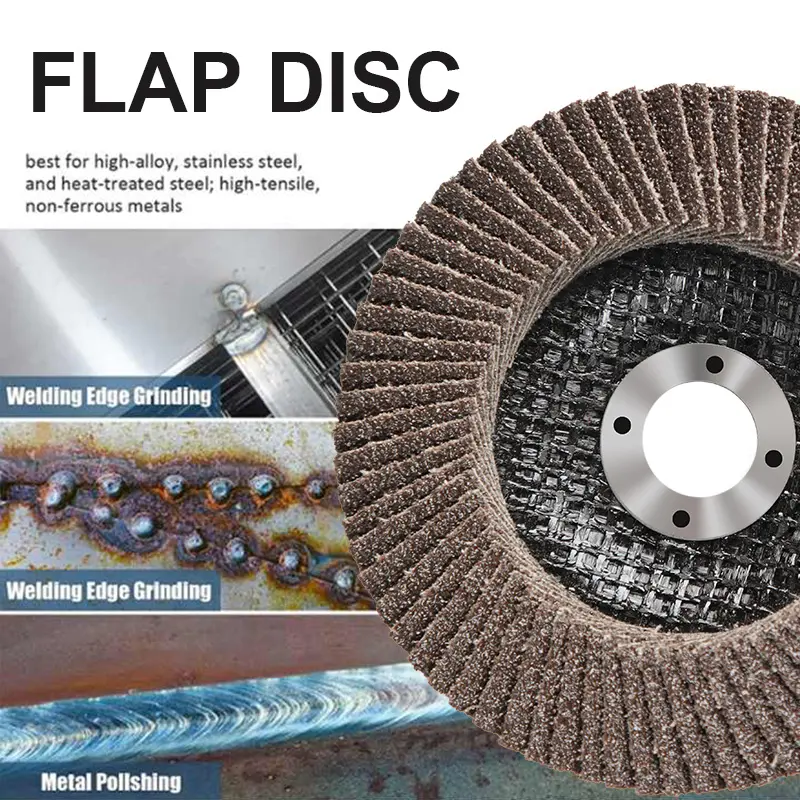
Zirconia Corundum Abrasive really stands out when regular abrasives just can't handle the job, especially under intense heat, pressure, or harsh chemical environments. Many manufacturers turn to this material for heavy duty grinding tasks involving stainless steel, tool steel, and those tough nickel alloys during steel fabrication work. It also works wonders for fine finishing jobs on titanium parts used in aircraft manufacturing as well as cast iron rotors. Welders appreciate it too because it helps minimize thermal distortion during seam preparation. The material's resistance to corrosion makes it ideal for clean grinding operations in pharmaceutical plants and chemical processing facilities where contamination is a big concern. And in the oil and gas industry, Zirconia Corundum holds up against abrasive slurries and extreme pressure conditions that would quickly wear down standard fused alumina products. What makes this abrasive so valuable across all these different applications? Simply put, it combines excellent heat tolerance, maintains sharpness over time, and has remarkable structural strength. These properties translate into better finished parts, faster production cycles, and ultimately lower overall costs for most industrial operations.
Table of Contents
- Microstructural Engineering: How Zirconia Corundum Abrasive Achieves Superior Toughness
- Thermal and Mechanical Performance: Heat Resistance and Self-Sharpening in Zirconia Corundum Abrasive
- Benchmark Performance: Zirconia Corundum Abrasive vs. Conventional Fused Abrasives
- Real-World Applications: Where Zirconia Corundum Abrasive Delivers Critical Advantages