EN
EN

Root Causes of Grinding Disc Clogging
Thermal Loading and Material Buildup on the Grinding Disc Surface
Too much heat while grinding leads to problems with thermal expansion and softening for both the grinding disc and whatever is being worked on. Once things get too hot, particularly when we're talking about temps over around 850 degrees Fahrenheit, metal starts acting funny. The particles actually start to deform and get stuck inside the spaces between the abrasive grains on the disc surface. What happens next is pretty bad for performance. These filled gaps cut down on cutting efficiency by more than half in most cases. Plus, this creates a hard, insulating layer across the disc face. That layer makes everything worse because it increases friction even more and wears out the tool faster than normal.
Why Softer Metals Like Aluminum Accelerate Grinding Disc Loading
Aluminum along with those other metals that melt at lower temps tend to get loaded up pretty easily during machining. Once temperatures hit around 350 degrees Fahrenheit or so, aluminum turns into this sticky, stretchy material that just clings to abrasive surfaces. Instead of coming off clean like it should, the metal actually gets caught inside the disc pores and starts building up. Research in tribology shows that this kind of sticking happens about 40 percent quicker compared to working with steel materials. That means keeping things cool and picking the right discs becomes super important when dealing with aluminum parts in production settings.
Glazing vs. Loading: Identifying Key Surface Failure Modes in Grinding Discs
| Failure Mode | Cause | Visible Indicator | Performance Impact |
|---|---|---|---|
| Loading | Material accumulation in pores | Dull, matte surface with visible metal deposits | Reduced cutting depth, increased vibration |
| Glazing | Abrasive grain dulling and bond hardening | Shiny, glass-like appearance | Decreased material removal rate, excessive sparking |
Loading stems from workpiece debris clogging surface voids; glazing arises from abrasive degradation under sustained heat and pressure. Misdiagnosing one for the other leads to ineffective remedies and material testing shows such errors shorten disc life by up to 30%.
Optimal Operating Techniques to Minimize Grinding Disc Clogging
Pressure, Speed, and Feed Control for Sustained Grinding Disc Performance
Getting the pressure right matters a lot. If too much force is applied, surface temps can go past where metals start to soften, which leads to molten bits sticking together and forming those annoying abrasive pores. The wheels should run somewhere around 6,000 to 9,500 SFPM generally speaking. Slower than that creates more heat from friction, but going too fast risks breaking things apart structurally. Keeping a steady side-to-side movement helps spread out the heat so no one spot gets too hot. Studies have shown something interesting here too many early failures happen because operators don't manage their feed rates properly. When they do, all sorts of melted debris ends up getting trapped in those tiny grit spaces, causing problems down the line.
| Operating Variable | Ideal Range | Effect on Clogging |
|---|---|---|
| Pressure | 15–20 lbs | High pressure – heat & clog risk |
| Wheel Speed | 6,000–9,500 SFPM | Extreme speeds – disintegration risk |
| Feed Rate | 0.5–2 in/sec | Slow feed – localized clogging |
Cooling Strategies: Dry vs. Wet Grinding and Their Effect on Grinding Disc Clog Resistance
Managing heat during grinding operations makes all the difference. When working with aluminum, dry grinding techniques often cause disc surface temps to soar beyond 1,200 degrees Fahrenheit, melting those metal shavings and making them stick to the abrasive surfaces. Switching to wet grinding cuts down on operating temperatures somewhere between 300 to maybe 500 degrees thanks to coolant getting immersed in the process. This helps wash away debris before it has a chance to bond with the grinding media. Industry experience shows water based coolants tend to double the lifespan of grinding discs under heavy loads according to various thermal imaging tests conducted over time. For situations where water just won't work, most shops find that pulsing air instead of running constant airflow works better because steady blowing tends to dry out the slurry mixture and create those pesky blockages inside pores of the grinding media.
Selecting and Maintaining High-Performance Grinding Discs
Grit Size, Bond Type, and Thickness: Matching Grinding Disc Specifications to High-Loading Applications
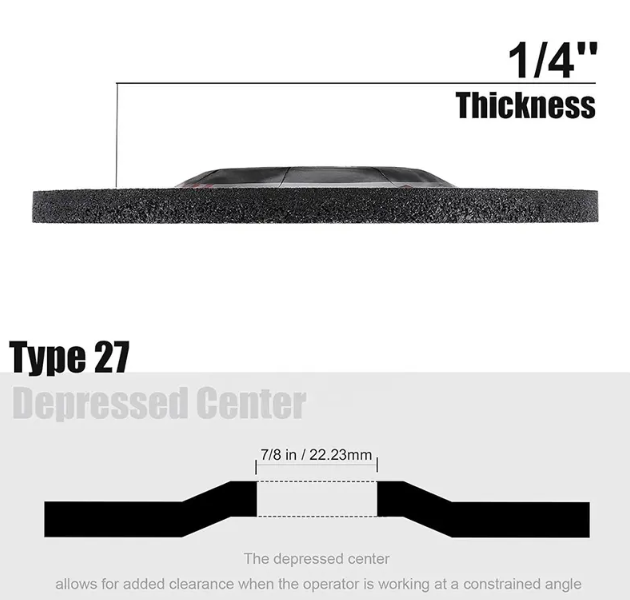
When selecting abrasive discs, focus on how they interact with different materials instead of solely chasing removal rates. Coarse grits ranging from 24 to 60 cut through material fast but can get loaded up when working with softer metals like brass or copper. Finer grits between 80 and 120 stay cleaner during finishing operations, though they definitely slow down production speed. The bond type matters too for heat handling. Vitrified bonds handle the intense temperatures generated during steel grinding jobs pretty well, whereas resin bonds bend and flex enough for those tricky non-ferrous alloy applications. Thin discs measuring just 1 to 3 mm spread heat away better, but these lightweight options tend to wear out quicker when subjected to heavy cutting loads. Anyone dealing with lots of aluminum should consider zirconia-alumina abrasives featuring open coat designs. Industry tests show these setups provide around 40% improvement in chip clearance according to recent abrasives standards reports. Don't forget about bond hardness matching either. Softer bonds naturally sharpen themselves when tackling harder materials, which helps prevent that frustrating glazing effect everyone hates.
Redressing and Dressing Techniques to Restore Grinding Disc Cutting Efficiency
Performance tends to drop off when there's loading or glazing issues, so getting back to good surface condition usually means some targeted redressing work. Diamond dressers are great for exposing fresh abrasive grains on the wheel surface, while silicon carbide sticks handle most day-to-day maintenance just fine. When applying these tools, keep pressure light to medium and angle them between 15 and 30 degrees to prevent damaging the bonding material and get even wear across the whole disc face. Some shops have switched to dry ice blasting as an alternative method that doesn't create thermal stress, which can cut down redressing time by about two thirds according to a study from Industrial Processing Journal last year. If dealing with really stubborn buildup, combining mechanical dressing techniques with solvent soaking works wonders for those tough deposits. Shops that stick to regular maintenance schedules, like dressing wheels every 15 minutes during continuous operation, often find their discs last three times longer than facilities waiting until problems arise before taking action.
Supplementary Measures: Grinding Aids and Proactive Maintenance
Grinding aids like water soluble coolants and special lubricants help cut down on friction while slowing down thermal softening, which stops metals from sticking to abrasives. When there's enough coolant flowing, it keeps aluminum from getting too soft and sticky, so it doesn't actually weld itself to the disc surface during operation. Regular maintenance makes all the difference too. Looking at discs regularly catches problems like glazing or loading early on, giving technicians time to fix things before the pores in the disc get clogged permanently. Shops that track how their discs wear down and plan dressing sessions roughly every 8 to 10 hours see about 30 percent fewer unexpected disc replacements. This means less machine downtime and better control over consumable costs. The bottom line is simple: taking good care of grinding equipment isn't just extra work, it's essential if anyone wants to keep running their operations efficiently without constant interruptions.