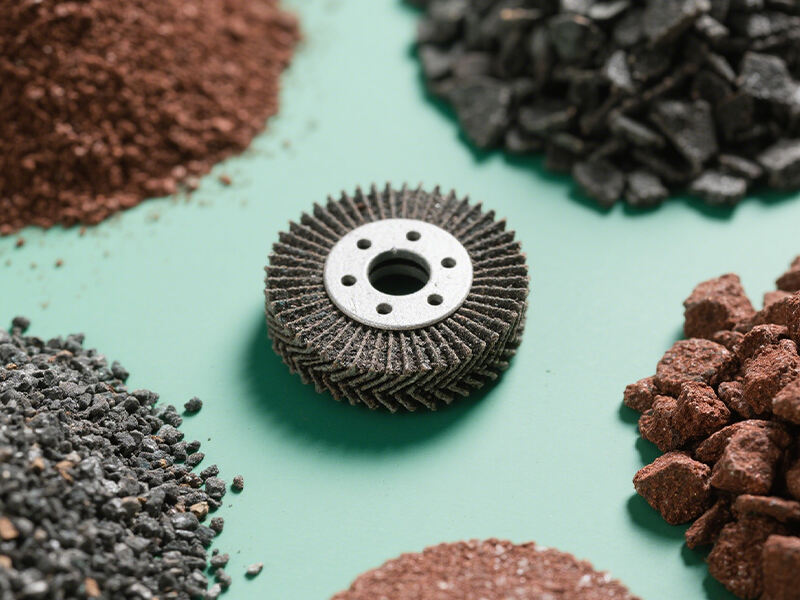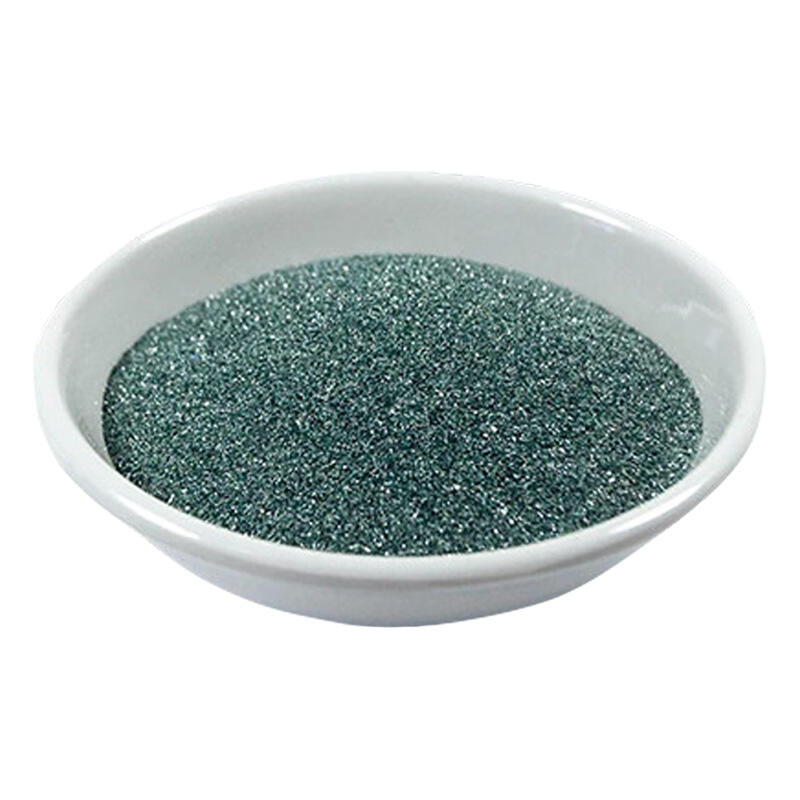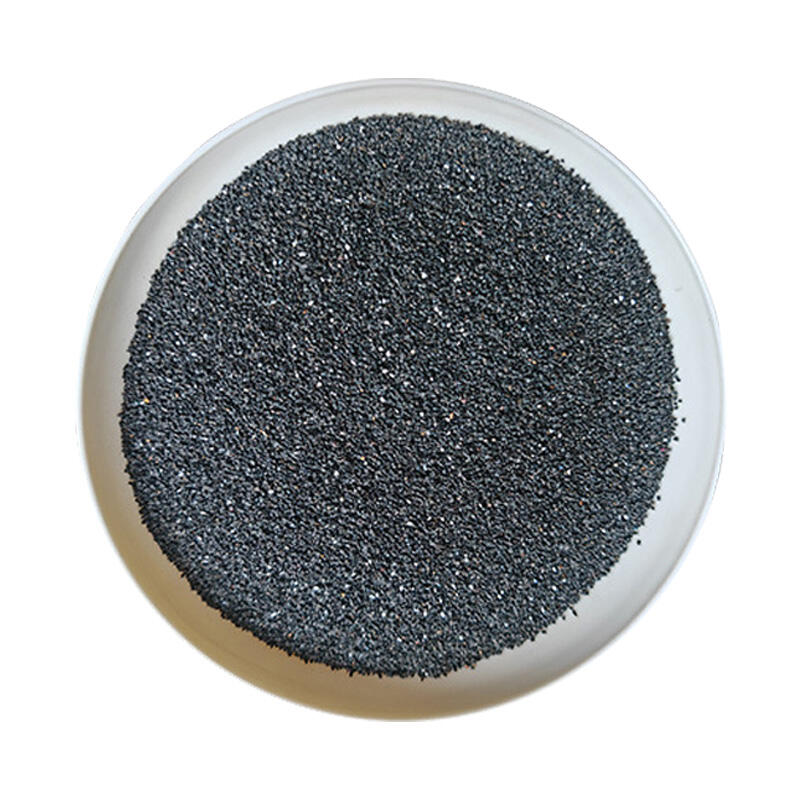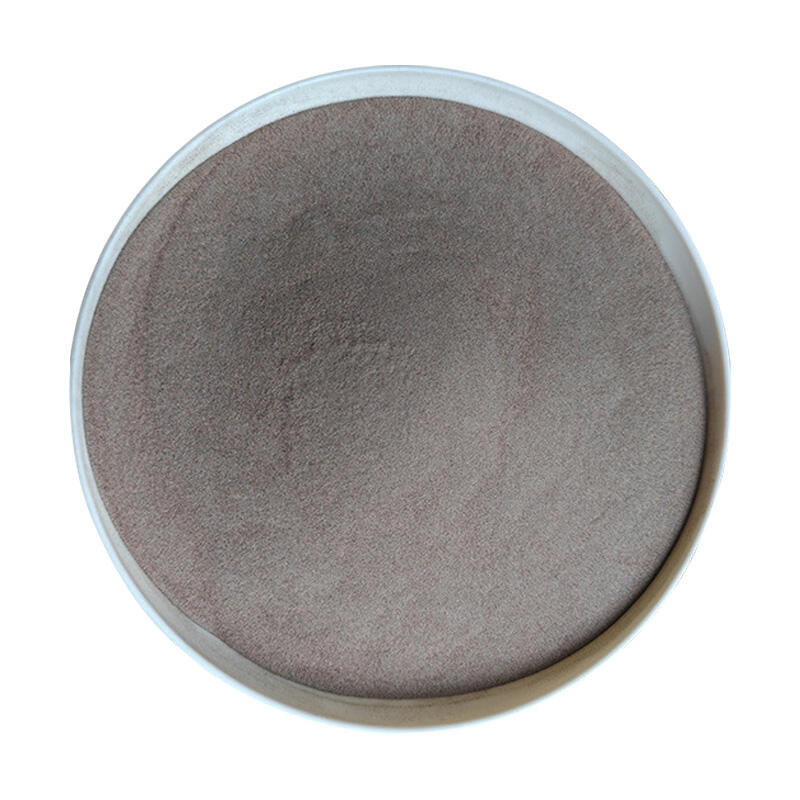

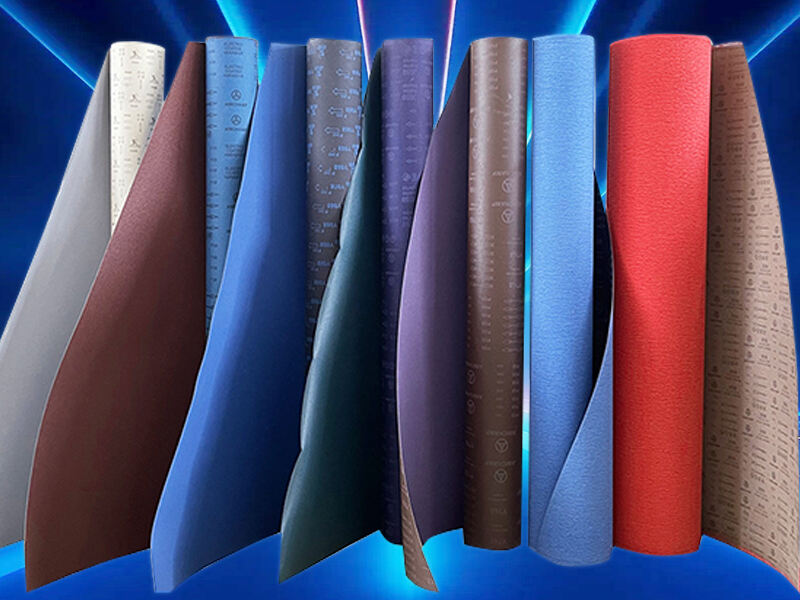
Abrasive Key Component of Abrasive Tools

Get a Free Quote

Our representative will contact you soon.
Email
Mobile/WhatsApp
Name
Company Name
Message
0/1000

Abrasive for Polishing Ceramic: Specialized Abrasion for Ceramics

Lets focus on relitive tropicalfires of specialized polishing tools ceramics also require abrasive such as the one polish. Ceramics have special features, and this abrasive is specialized for polishing them. It smoothens the surface, improves the glaze, and eliminates any manufacturing imperfections. In the ceramic manufacturing industry for pottery, tiles, and porcelain, this abrasive is required for a high quality finish.
Get A Quote

Advantages of the product

Chemical Resistance

Many abrasives (e.g., silicon carbide) withstand exposure to acids, alkalis, and solvents, making them suitable for use in harsh industrial environments.

Related products

Because of its structure, ceramic is considered hard and brittle, which poses a challenge when polishing using diamond abrasives. For ceramics, polishing can be tiresome, thus requiring sometime gentleness alongside finesse, this is where diamond abrasives come in which makes use of dainty particles to avoid chipping. In the creation of sanitary ceramics or fine art tiles, diamond abrasives refine the surface achieving a glossy effect. Apart from creating smooth and shiny surfaces, diamond abrasives can also be used to restore roughened and damaged ceramics. The right polishing technique paired with the best grade of diamond abrasives can significantly improve both appearance and endurance of ceramic goods.

Frequently Asked Questions

What is the role of grit size in abrasives?

Coarser grits (low number, e.g., 36) remove material faster but leave rough surfaces; finer grits (high number, e.g., 2000) create smooth finishes. Choose grit based on the task stage.

Related Articles

Cloth for Flap Disc: Key Features to Consider

28

May

Cloth for Flap Disc: Key Features to Consider

Choosing the correct type of cloth for flap discs is a delicate task on its own, but for superior performance and enduring life on flap discs, attention needs to be paid to the type of cloth used. This article avoids packing so much information and...
View More
Diamond Cutting Blade: Why It's a Great Choice

16

Apr

Diamond Cutting Blade: Why It's a Great Choice

In today's world of precision cutting in different fields, one of the most effective tools are diamond cutting blades. These blades are constructed for performance, durability, and flexibility which make them ideal for people working in construction,...
View More
How to Choose the Right Flap Wheel

28

May

How to Choose the Right Flap Wheel

Choosing the best flap wheel for your sanding and finishing work is very important as it helps complete the task at hand more efficiently. Range from metalworking to woodworking, flap wheels can be used for multiple purposes and knowing the specifics...
View More
Metal Backing in Abrasives: Functions Explained

16

Apr

Metal Backing in Abrasives: Functions Explained

Despite functioning as a strong base for abrasive products, aiding in industrial manufacturing and even DIY projects, the relevance of metal backing is often neglected. In this article, we will discuss the benefits, types, recent trends of metal back...
View More

Customer Reviews

Carl

I've used this abrasive for a long time, and it still performs well. It doesn't break down easily, which means I can use it for multiple projects without having to replace it frequently.

Get a Free Quote

Our representative will contact you soon.
Email
Mobile/WhatsApp
Name
Company Name
Message
0/1000
Multi-Industry Applicability

Multi-Industry Applicability

Used in metalworking, woodworking, stone masonry, and electronics, abrasives are essential for achieving precise dimensions and surface finishes across diverse sectors.
Enhanced Machining Efficiency

Enhanced Machining Efficiency

The sharp edges of abrasive particles reduce cutting forces and energy consumption, improving throughput while minimizing tool wear on machinery.
Controlled Surface Roughness

Controlled Surface Roughness

By selecting the appropriate abrasive grit, users can achieve specific surface roughness values, critical for components requiring precise functional or aesthetic properties.