EN
EN
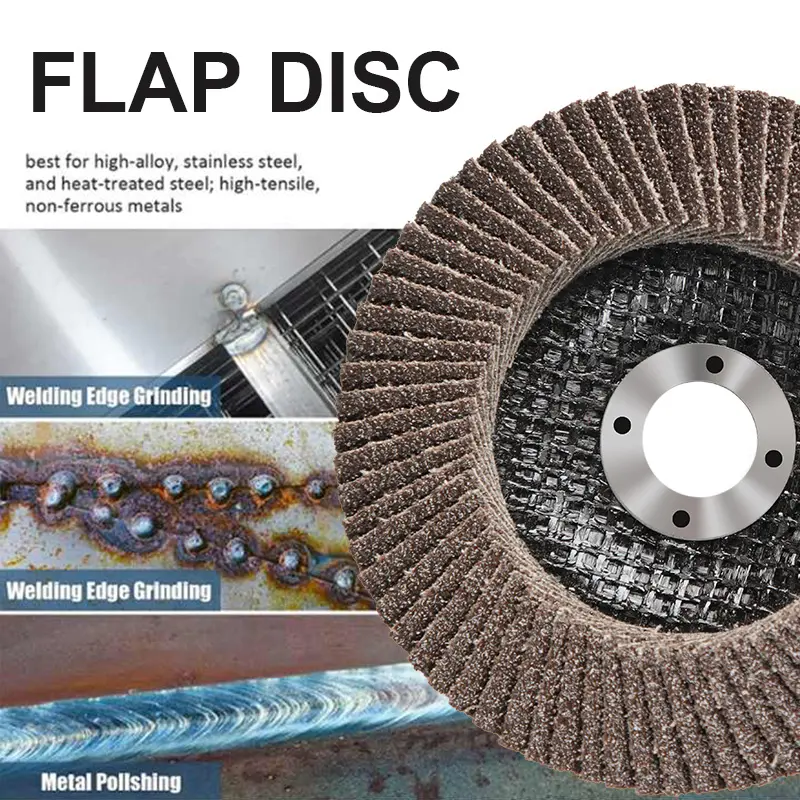
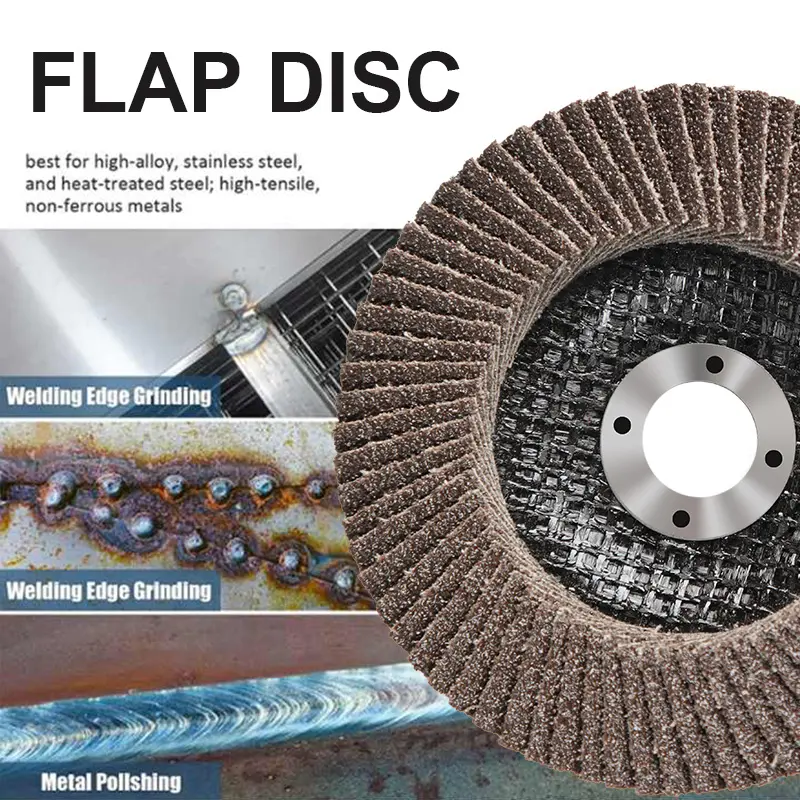
Key Abrasive Materials in Grinding Discs and Their Applications
Zirconia, Aluminum Oxide, and Ceramic: Performance and Use Cases
Industrial grinding discs typically depend on three main abrasive materials for their work. Take zirconia alumina for instance it works really well under pressure situations such as when working with stainless steel because of how it keeps sharpening itself as it cuts. This means it stays effective about 27 percent longer compared to regular aluminum oxide when used continuously in tough jobs. Then there are ceramic grains which have been specially designed to break apart tiny sections while they're being used. These actually cut faster by around 34% and last much longer too when dealing with those tricky aerospace alloys that manufacturers always seem to struggle with.
Silicon Carbide vs Aluminum Oxide: Matching Abrasives to Workpiece Materials
How Grain Composition Affects Cutting Efficiency and Surface Finish
Abrasive grain geometry directly impacts material removal rates. Angular grains enhance initial cutting aggression but wear faster, while rounded grains sustain consistent performance. A 2024 abrasives study found hybrid grain structures (40% angular/60% rounded) balanced stock removal (18.3 mm³/s) and surface roughness (Ra 1.2 µm) in tool steel grinding.
Material Compatibility: Selecting the Right Grinding Disc for Metal, Steel, and Specialty Alloys
- Mild steel: Aluminum oxide (60–80 grit)
- Titanium alloys: Ceramic-zirconia blends (46 grit)
- Cast iron: Silicon carbide (36 grit) with vitrified bond
- Inconel: CBN (Cubic Boron Nitride) superabrasives
Specialty alloys require tailored solutions—grinding nickel-based superalloys with standard aluminum oxide wheels reduces tool life by 63% compared to ceramic-reinforced discs.
Grit Size Selection: Balancing Cut Rate and Surface Precision
Understanding Grit Sizes and Their Role in Material Removal
The size of grit on a grinding disc really affects how it performs, basically controlling how fast material gets removed and what kind of surface finish we end up with. When talking about measurement, it's all about how many abrasive particles there are per square inch. Coarse grits ranging from 24 to 60 work best when someone needs to remove material quickly. These are great for tasks like getting rid of weld buildup or reshaping tough steel surfaces. Moving on to medium grits between 80 and 120, they offer a good middle ground where both speed and decent finish matter. And then there are those fine grits above 150 which focus mostly on getting that precise finish needed for polishing jobs and cleaning up burrs after cutting operations.
| Abrasive Type | Typical Grit Range | Key Applications |
|---|---|---|
| Coarse | 24–60 | Heavy stock removal, weld leveling |
| Medium | 80–120 | Surface blending, prep work |
| Fine | 150+ | Final finishing, precision polishing |
Modern grinding operations leverage grit gradients—progressively finer layers within a single disc—to reduce tool changes by 30% (CBN grinding wheel optimization study). This approach maintains aggressive cutting at the disc’s outer edge while refining surfaces toward the center.
Fine vs Coarse Grit: Optimizing for Speed or Finish Quality
Coarse grit discs (40–60) remove material 40% faster than medium grades but produce Ra surface roughness values above 200 µin. They’re indispensable for structural steel fabrication, removing heavy mill scale, and rapid stock removal in foundry work.
Fine grit options (180–240) improve surface finish quality by 62% compared to coarse grades, achieving Ra values below 32 µin. Their tightly packed abrasives excel in aerospace component finishing, tool and die polishing, and medical device manufacturing.
Operators often combine grit sizes strategically—using coarse discs for initial shaping before switching to finer grades. This dual-stage process reduces total grinding time by 19% while maintaining finish standards. For general-purpose work on carbon steel, 80–100 grit discs provide optimal balance, removing 0.8–1.2 mm³/sec while maintaining Ra 63–125 µin finishes.
Bond Types and Wheel Hardness: Ensuring Structural Stability and Longevity
The structural integrity and lifespan of grinding discs depend heavily on two interconnected factors: bond composition and wheel hardness. These elements determine how abrasive grains interact with workpiece materials under operational stresses, directly impacting cutting efficiency and tool longevity.
Bond Strength and Type: Vitrified, Resin, and Rubber Bonds Compared
Vitrified bonds, which are basically ceramic based, make really tough grinding wheels that can handle extreme heat and spin at speeds reaching around 65 meters per second. That's why they work so well when doing precise grinding on hardened steel materials. On the other hand, resin bonds give some flexibility that helps cut down on vibrations during those surface finishing jobs. Rubber bonded discs are pretty special too because they bend and shape themselves nicely against the workpiece, allowing for those super smooth mirror like finishes on various alloys. Some recent research into different grinding wheel materials shows something interesting about these bonds. When put through similar stress tests, vitrified bonds hold up about 73 percent better in terms of compression strength compared to their resin counterparts.
Wheel Grade (Hardness) and Its Impact on Disc Wear and Performance
The hardness of a wheel basically tells us how well the bond holds onto those abrasive grains, and it's ranked along a scale going from A which is the softest all the way up to Z for the hardest stuff out there. When we look at harder grades between L and Z, these tend to work really well when there's not much pressure involved, such as when doing thread grinding tasks. These wheels keep about 40 percent more of their abrasive material intact throughout an entire eight hour shift compared with softer options. On the flip side, softer bonds ranging from A through K will naturally release worn out grains while dealing with lots of material removal. This helps maintain steady cutting speeds even when operating conditions change around different speeds. According to some real world testing done in factories, getting the right match between wheel hardness and what kind of machine power is being used can cut down on how often discs need replacing by roughly one third.
Hard vs Soft Bonds: Performance Under Variable Load and Speed Conditions
Operational demands dictate bond selection:
- Hard bonds maintain dimensional accuracy (±0.02 mm) in CNC tool grinding
- Soft bonds prevent thermal damage when working with titanium alloys at 4,500 RPM
- Medium-grade bonds balance cutting speed (15–20% faster than hard grades) and surface finish quality (Ra 0.8–1.6 µm)
This strategic pairing of bond properties with application requirements ensures optimal disc performance across 90% of industrial grinding scenarios.
Critical Performance Indicators of High Quality Grinding Discs
Cutting Speed, Durability, and Surface Finish as Quality Metrics
Good grinding discs need to strike a balance between three main factors: how fast they cut, how long they last, and what kind of finish they leave behind. When it comes to cutting speed, the shape of the abrasive grains and the strength of their bonding matters a lot. Zirconia-alumina mixtures can actually take away material about 18 percent quicker compared to regular aluminum oxide when working with steel. For durability, think about how well the grains stay attached to the disc. Vitrified bonded discs handle roughly 25% more sideways force than resin bonded ones during tough grinding jobs. And then there's the surface finish question. This really boils down to choosing the right grit size and matching it with the material being worked on. Silicon carbide tends to give much smoother results on aluminum, achieving around 0.8 micrometer roughness (Ra) compared to about 1.5 micrometers from ceramic abrasives.
Key relationships:
| Factor | Performance Impact | Ideal Use Case |
|---|---|---|
| Coarse grit (24–60) | 12% faster cutting speed | Stock removal on steel |
| Fine grit (120–180) | Surface finish ≤ 1.2 µm Ra | Tool sharpening |
| Hybrid bonds | 30% longer lifespan vs. resin | High-vibration grinding |
Service Life and Consistency Under Continuous Industrial Use
When it comes to industrial grade discs, there are really two main things that show how reliable they actually are: how long they last and whether they keep performing consistently over time. The ones reinforced with fiberglass and featuring these special hybrid bonds between vitrified material and rubber tend to cut at their best rate for well over 300 hours of operation. Some tests done in 2023 showed something interesting too - discs with auto balancing features kept about 90% of their stability when running non stop for eight straight hours. That means fewer problems from vibrations messing up the workpieces, cutting down on defects by around 40%. And let's not forget about temperature control. Discs with those fancy heat dissipating coatings on them form much less glaze during intense grinding sessions. Field evidence suggests these coated discs create about 55% less glazing compared to regular discs without any treatment in high temperature situations.
Thermal Management and Heat Resistance in High-Speed Grinding Operations
Design Features That Enhance Heat Dissipation in Grinding Discs
The best grinding discs have open grain structures combined with radial grooves that let air flow through them during operation. This design cuts down on heat buildup by around 15 to 20 percent when doing surface grinding work according to Manufacturing Insights report from 2023. Resin bonded discs come with specially designed cooling channels that get rid of heat about 40 percent quicker compared to regular solid discs, all while keeping the abrasive material intact. For anyone working with steel at speeds over 8,000 RPM, these kinds of thermal management features make a real difference because they stop the metal from warping during the grinding process.
Preventing Thermal Degradation in High-Friction and Heavy-Duty Applications
The special mix of ceramic and alumina grains keeps tools working well even when temps hit around 750 degrees Fahrenheit or so, which matters a lot when cutting through tough titanium alloys. These new bonds that resist oxidation actually make diamonds last longer on stainless steel work, studies show about thirty percent improvement over regular bonds during those long grinding sessions. And don't forget about those segmented rims either they spread out heat better across the whole disc surface. This means discs can run for full twelve hour shifts straight without needing breaks for cooling down, something that really cuts downtime in manufacturing operations.
Table of Contents
-
Key Abrasive Materials in Grinding Discs and Their Applications
- Zirconia, Aluminum Oxide, and Ceramic: Performance and Use Cases
- Silicon Carbide vs Aluminum Oxide: Matching Abrasives to Workpiece Materials
- How Grain Composition Affects Cutting Efficiency and Surface Finish
- Material Compatibility: Selecting the Right Grinding Disc for Metal, Steel, and Specialty Alloys
- Grit Size Selection: Balancing Cut Rate and Surface Precision
- Bond Types and Wheel Hardness: Ensuring Structural Stability and Longevity
- Critical Performance Indicators of High Quality Grinding Discs
- Thermal Management and Heat Resistance in High-Speed Grinding Operations