EN
EN

How abrasive grain types (aluminum oxide, zirconia, silicon carbide) affect performance on wood and metal
The type of abrasive grains used makes a real difference when it comes to how fast materials get removed and what kind of finish we end up with. Most woodworkers stick with aluminum oxide because it's so common these days. The latest surveys from 2023 show around 78% of pro wood shops still rely on this stuff, mainly because it breaks down easily during use which keeps those cutting edges fresh for longer periods. When working with metals though, many switch to zirconia alumina instead. This material has a much denser crystal structure and actually removes steel alloy material about 40 percent quicker than regular old aluminum oxide does. And then there's silicon carbide that really shines when dealing with multiple different materials at once. It works great on softer metals such as aluminum and brass but can also handle tricky situations involving epoxy coatings or fragile woods without causing damage, all thanks to those razor sharp edges plus good heat resistance properties.
| Grain Type | Best For | Metal Performance | Wood Performance |
|---|---|---|---|
| Aluminum Oxide | General woodworking, soft metals | Moderate cut | Excellent finish |
| Zirconia Alumina | Stainless steel, hardwoods | High durability | Moderate tear |
| Silicon Carbide | Non-ferrous metals, composites | Precision finish | Low heat buildup |
Open coat vs closed coat: Reducing heat and preventing clogging in dual-material applications
Workshops that switch back and forth between soft woods like pine and metals such as aluminum often find open-coat belts work best. These belts typically cover around half to three quarters of their surface area with abrasive grains, which helps prevent excessive heat build up when working with resinous materials. On the flip side, closed-coat belts pack those grains tighter together for serious metal shaping jobs, but tend to get gummed up fast when dealing with sticky wood resins. Automotive restorers who handle both types of materials day in and day out report that zirconia open-coat belts last roughly 32 percent longer than their closed-coat counterparts according to Parker Abrasives research from last year. Makes sense really since these belts handle mixed material environments so much better over time.
Matching belt backing durability and flexibility to material hardness
The backing material really needs to match what the substrate requires. For instance, polyester nylon blends give that extra tensile strength necessary when deburring steel plates so edges don't tear apart during work. On the flip side, pure polyester backings about 0.45mm thick work best for those curved wood parts we see in furniture making, think chair arms and similar shapes. Artisans who deal with composite projects, take knife makers as an example, frequently turn to these multi layer composite backings. These special materials can switch smoothly between working on hard surfaces and softer fibrous ones without messing up the tracking or affecting how tools perform overall. Many experienced craftsmen have found this approach makes their workflow much smoother when dealing with mixed material projects.
Heat resistance and dust management in mixed-material sanding environments
Temperatures during metal grinding often go above 300 degrees Fahrenheit, and most belt failures happen because the glue breaks down when exposed to heat. About eight out of ten belt problems come from this kind of thermal stress. Ceramic coated belts hold up better though, working fine even at around 400 degrees. They also don't get clogged as easily with pitch buildup from certain types of wood, which makes these belts great when switching back and forth between different materials. The dust collection system needs some adjustments too since metal creates much finer particles than other materials. These particles are roughly 25 percent smaller on average, so the system requires filters that can catch particles down to about 5 microns in size. This helps keep things running smoothly when changing materials and is important for protecting workers' respiratory health over time.
Best Abrasive Materials for Dual Use Sanding Belts on Wood and Metal
Aluminum Oxide Belts: Balanced Performance for General Woodworking and Light Metalwork
Workshops that deal with everything from hardwoods like oak and maple to softer metals such as aluminum still turn to aluminum oxide most often. The abrasive has these little grains that actually break off while working, which means the belts last longer than regular abrasives do. We're talking around 20 to 30 percent extra life on average. For shops that need to switch between different materials without constantly changing grits, this can make all the difference. Think about those places doing furniture restoration one day and light metal work the next day. Aluminum oxide handles both situations pretty well without needing much adjustment.
Zirconia and Ceramic Abrasives: Aggressive Stock Removal for Metal and Hardwoods
Zirconia alumina belts can cut through materials about three times quicker compared to regular aluminum oxide when working with stainless steel or really hard woods such as ipe. What makes them stand out is their self sharpening properties plus they handle heat pretty well, around 1,100 degrees Fahrenheit before things start getting problematic. This means no more annoying glazing issues that happen when switching back and forth between those tricky welds in metal and stubborn wood surfaces. Shops that do both steel work and hardwood projects report cutting down belt changes by roughly 40 percent based on some industry research. The result? Less downtime and better quality across different jobs in busy workshop environments.
Silicon Carbide Belts: Versatility Across Metal, Wood, and Composite Materials
The hardness of silicon carbide at around 9.5 on the Mohs scale means it cuts through polished metals and non-ferrous materials like brass and copper quite well. What's interesting is that despite being so hard, its somewhat fragile structure actually helps prevent buildup when working with brittle woods such as mahogany. The material works pretty good on composite surfaces too, along with various coated materials, keeping things going smoothly without generating too much heat during operation. For craftsmen doing intricate projects where both metal edges need sharpening and wood grain requires careful shaping at the same time, silicon carbide proves itself invaluable in these situations.
Hybrid and Coated Grains for Extended Life in Mixed-Material Workshops
Hybrid belts that mix ceramic alumina grains with resin bonded coatings last about half again as long in shops working with multiple materials. These belts can tackle tough jobs like steel bevels without breaking apart, plus their special coating stops resin from building up when working on sticky woods such as pine. According to tests run in 2023, most medium sized workshops (around 78%) no longer need different belts for different tasks. This means fewer belts sitting around collecting dust in storage cabinets, which makes shop operations smoother overall. Many woodworkers have found they save time and money simply by using these all purpose belts instead of maintaining separate stock for every material type.
Optimal Grit Size Selection for Polishing Wood and Metal Surfaces
Grit Progression Strategies for Smooth Wood Finishes and Effective Metal Deburring
Using the right grit progression makes all the difference when it comes to getting rid of material efficiently while still achieving good quality finishes. Most folks start off with something pretty rough like P60 to P80 belts just to shape things out whether they're working with wood or metal surfaces. When dealing specifically with hardwood projects, many craftsmen find themselves moving through different stages starting around 80 grit to level things out first. Then they usually step up to about 120 or 150 grit to get those surfaces smoother before finally going to something finer between 180 and 220 if they want their wood ready for staining later on. Steel work follows a similar pattern but starts even rougher at P60-P80 for cleaning up welds. After that comes P100-P150 range for blending everything together nicely, and finishes off with P180-P220 to create those clean edges without any annoying burrs left behind.
| Material | Coarse Grit (Initial) | Medium Grit (Smoothing) | Fine Grit (Finishing) |
|---|---|---|---|
| Hardwood | P80-P100 | P120-P150 | P180-P220 |
| Steel | P60-P80 | P100-P150 | P180-P220 |
Fine Grits (120–220) for Finishing Hardwoods and Stainless Steel
The finest grit belts ranging from 120 to 220 play a really important role in getting surfaces just right at the end of the process. When working with hardwood species such as oak or maple, using between 180 and 220 grit will take care of those small blemishes without messing up the beautiful wood grain pattern. Stainless steel requires slightly different treatment though. Grits around 150 to 180 help get rid of those tiny burrs that form during cutting, and moving up to 220 grit gives that nice satin look most people want. Metalworkers should be careful not to go too fast when using these finer belts. Slowing things down below about 12 meters per second helps prevent the metal from getting harder as it's worked on, which keeps the cutting action smooth and controlled rather than generating heat that could damage the material.
Coarse to Ultra-Fine Transitions for Achieving Mirror-Like Metal and Glass-Smooth Wood Surfaces
Getting that mirror finish on metal takes some careful work. Start off with 80 grit sandpaper to shape things out, then move up to around 400 grit when it's time to polish. Finish off with those higher grits between 600 and 1200 for the final buffing stage. When working with wood that needs to be super smooth, most folks go from 80 to 120 grit before finishing at 220. Use an orbital sander or maybe an inline model if available since these help avoid those annoying cross grain scratches. Zirconia alumina belts work really well for projects where we're switching between materials. They handle both wood fibers and metal surfaces pretty evenly without getting clogged up too quickly, which saves time and frustration during mixed material jobs.
Effective Sanding Techniques for High-Quality Results on Both Materials
Controlling Speed and Pressure to Avoid Burning Wood and Work Hardening Metal
The tool settings need changing depending on what material is being worked with if we want to keep things intact and make those belts last longer. For wood sanding jobs, it's best to stay below 2,000 SFPM speed to avoid getting those ugly burn marks. Metals are tougher customers though, they usually handle speeds between 3,000 and 4,500 SFPM just fine. Pressure matters too. Too much push down on metal actually makes it harder to work with later on, which nobody wants. And uneven pressure while working wood creates those annoying swirl patterns everyone hates seeing. Some research folks looked into this stuff back in 2024 and discovered something interesting. When going from metal to wood work, cutting the downward pressure by about 40% drops the heat generated around 58%. That means better looking surfaces and belts that don't wear out so fast.
Using Flap Belts and Contact Wheels for Consistent Finishes on Wood and Metal Edges
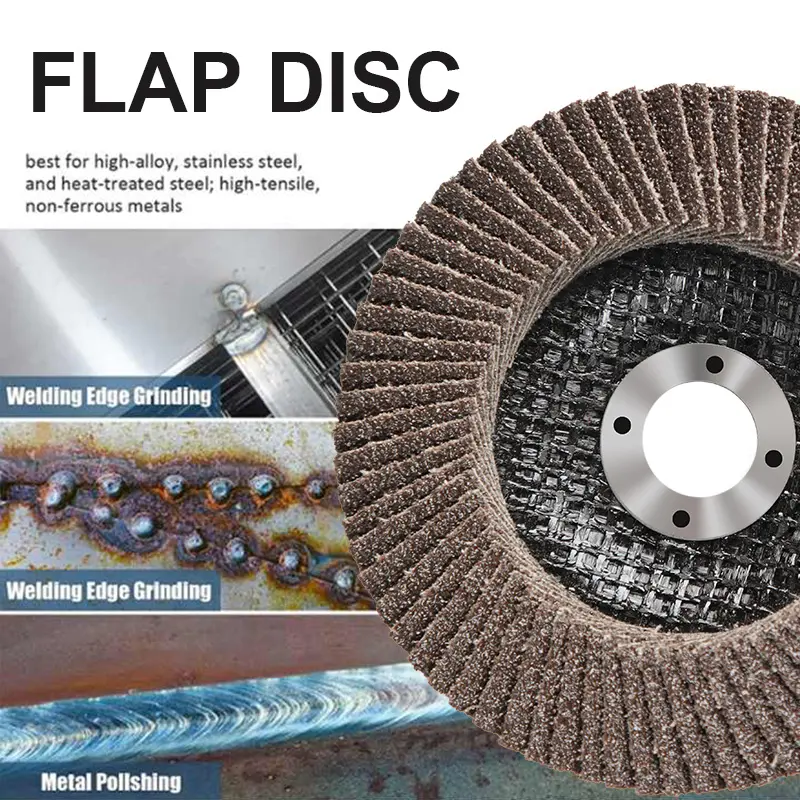
Flap belts work really well on those tricky curved wood surfaces and sharp metal edges because their segmented design actually spreads out heat about 30 percent better than regular belts according to some tooling tests we've seen. When working with metal, most pros pair these belts with rubber contact wheels that measure around 85 to 90 on the Shore A scale to keep those fine edges intact. For woodworking applications though, switching to foam backed wheels makes all the difference when dealing with the natural inconsistencies in wood grain patterns. The whole setup cuts down on annoying chatter problems by roughly 70% when compared to standard rigid platen systems, which means much smoother transitions between different materials and generally cleaner finished products overall.
Case Study: Achieving Professional Polish on Stainless Steel and Fine Wood Veneers With One Setup
The local custom furniture shop got really good results with their finishing work after switching to 3M Cubitron II ceramic belts across the 120 to 220 grit range. When working on those shiny stainless steel table legs, they ran things at around 3,500 feet per minute and used that crosshatch sanding pattern everyone recommends. But when it came to walnut veneer tops, they slowed down to about 1,800 feet per minute and made sure to follow the wood grain direction during sanding. They hooked everything up to a closed loop dust collection system too, which cut down on material contamination problems by almost 90 percent according to their measurements. The real bonus? Their workers spent way less time changing tools now that the process was streamlined. Metal surfaces came out with an impressive Ra value of 0.8 microns, and the wooden pieces looked absolutely perfect without any scratches or marks from improper handling.
Table of Contents
- How abrasive grain types (aluminum oxide, zirconia, silicon carbide) affect performance on wood and metal
-
Best Abrasive Materials for Dual Use Sanding Belts on Wood and Metal
- Aluminum Oxide Belts: Balanced Performance for General Woodworking and Light Metalwork
- Zirconia and Ceramic Abrasives: Aggressive Stock Removal for Metal and Hardwoods
- Silicon Carbide Belts: Versatility Across Metal, Wood, and Composite Materials
- Hybrid and Coated Grains for Extended Life in Mixed-Material Workshops
- Optimal Grit Size Selection for Polishing Wood and Metal Surfaces
- Effective Sanding Techniques for High-Quality Results on Both Materials