EN
EN
Grit Size and Surface Finish: Balancing Material Removal Rate and Smoothness
Choosing the right grit size when working with abrasive tools makes a big difference in how fast things get done and what kind of finish ends up on components. The coarser grits ranging from 8 to 40 have bigger abrasive grains which work great for taking off material quickly. These are perfect for jobs like shaping rough parts, grinding down welds, or getting ready surfaces that aren't flat at all. On the other hand, fine grits above 120 contain much smaller particles packed tightly together. They create those super smooth finishes needed in industries like aerospace for sealing components or medical device manufacturing where even tiny bits of roughness can cause problems later on because they generate friction during operation.
Understanding grit numbers: From coarse (8-40) for aggressive stock removal to fine (120+) for polished finishes
When it comes to coarse grit abrasives in the range of 8 to 40, they're all about getting rid of material fast. These are the go-to tools for taking down those stubborn weld seams or bringing castings back to level ground. The big particles in these abrasives basically tear through whatever needs removing. On the other end of the spectrum, fine grits above 120 take a different approach altogether. Their densely packed particles don't gouge out chunks but instead leave behind tiny scratches that blend together into almost mirror-like surfaces on tough materials like hardened steel or ceramic components. Getting the right grit for the job isn't just about saving money on rework either. It's about making sure every step of the grinding process flows smoothly from initial shaping right through to that final polished look that meets quality standards.
Performance trade-offs: Coarse vs. fine grits in industrial applications
Operators face tangible efficiency compromises:
- Coarse grits (8-40): Cut faster but leave visible scratches requiring secondary finishing.
- Medium grits (40-120): Deliver balanced removal rates and acceptable finishes for many general-purpose tasks.
- Fine grits (120+): Require significantly longer machining time but eliminate downstream polishing steps.
For instance, grinding a turbine blade root with #36 grit takes 15 minutes but necessitates buffing; using #120 grit extends grinding to 75 minutes yet delivers assembly-ready surfaces immediately–reducing total cycle time when secondary operations are factored in.
Why ultra-fine abrasives (240+) can fail on ductile metals due to loading and heat buildup
When working with aluminum or copper alloys, ultra fine grits above 240 tend to perform poorly. The tiny particles get clogged fast with all that soft metal stuff, creating extra friction and heating things up past 400 degrees Fahrenheit. What happens next? Tools become glazed and stop working properly after just a few minutes of use. The workpiece gets annealed too, which actually makes it weaker structurally. Plus there's all sorts of color changes and warping issues. For instance, someone using a #320 grit belt on aluminum might need to replace it every 10 minutes because it loads up so quickly, while a #80 grit belt could last around 45 minutes. When dealing with materials sensitive to heat, picking the right grit size matters a lot. It's not just about how something looks at the end, but whether the part will function correctly once installed.
Abrasive Material Composition: Matching Mineral Type to Workpiece Properties
Choosing the right abrasive mineral–aluminum oxide, zirconia, ceramic, silicon carbide, or diamond–based on hardness and thermal resistance
Choosing the right abrasive mineral really comes down to understanding what we're working with. When dealing with super hard stuff like tungsten carbide, there's no getting around it - diamond abrasives are basically required since they sit at the top of the Mohs scale with a hardness rating of 10. Silicon carbide works wonders for those non-ferrous metals and composite materials because of how it breaks apart when needed, creating fresh cutting edges as it goes. In situations where temperatures run high, ceramic grains hold up much better than traditional aluminum oxide which tends to fall apart under heat stress. Heat management is another big factor too. Diamond has amazing thermal conductivity properties around 2000 W/mK which helps prevent overheating damage during fine grinding operations. So when picking minerals, think beyond just hardness ratings. Consider how brittle the material might be, how sensitive it is to temperature changes, and exactly what kind of job needs doing before making a selection.
Tool longevity: Why zirconia-alumina blends outlast standard aluminum oxide by up to 3Â on stainless steel
When working with tough alloys, zirconia-alumina blends really stand out for their lasting power. What makes them special is how they work at a microscopic level. As the material wears down, new cutting edges keep appearing naturally. This self-sharpening effect helps prevent those annoying issues like glazing and excessive heat generation. A recent study from SME in 2023 showed something pretty impressive too. These blends can actually last about three times longer compared to regular aluminum oxide when tackling 304 stainless steel. The secret lies in the mix itself. Zirconia adds extra strength to the grains, whereas alumina keeps things aggressive enough for effective cutting. Put them together and manufacturers see around 40% savings per part in large scale operations. For shops dealing with stainless or nickel alloys regularly, upgrading to this type of abrasive mixture isn't just beneficial, it's becoming essential for maintaining competitive production costs.
Application-Specific Tool Geometry: Optimizing for Efficiency and Cost of Ownership
Selecting the right form factor–flap discs, grinding wheels, or abrasive belts–by task (grinding, cutting, deburring, finishing)
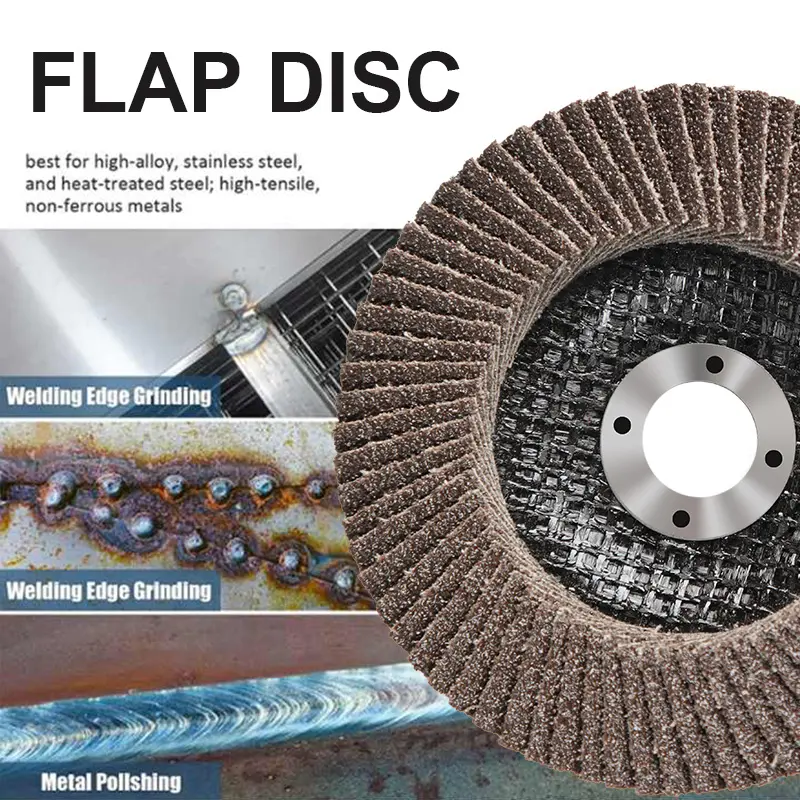
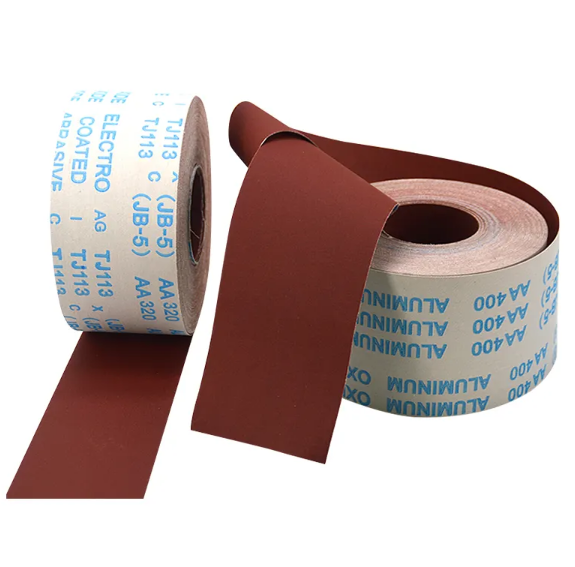
Getting the right abrasive tool shape for each job makes a big difference in how productive we are and what it ultimately costs to own these tools. Flap discs work great for shaping contours and blending surfaces because they bend easily, whereas grinding wheels made of hard materials take off lots of material quickly when dealing with thick stock. Abrasive belts tend to give pretty uniform finishes on big flat areas. When people get the tool types mixed up something goes wrong fast - try using a cutting wheel for delicate polishing work and watch it wear out way too soon while making everything inefficient. Specialized non woven abrasives come into play especially when working with softer metals where heat builds up during deburring tasks, helping avoid problems with clogging. Choosing correctly can save around 40% of the time spent switching between tools, means longer lasting equipment, and generally brings down overall expenses without hurting the final product quality or damaging parts being worked on.