EN
EN
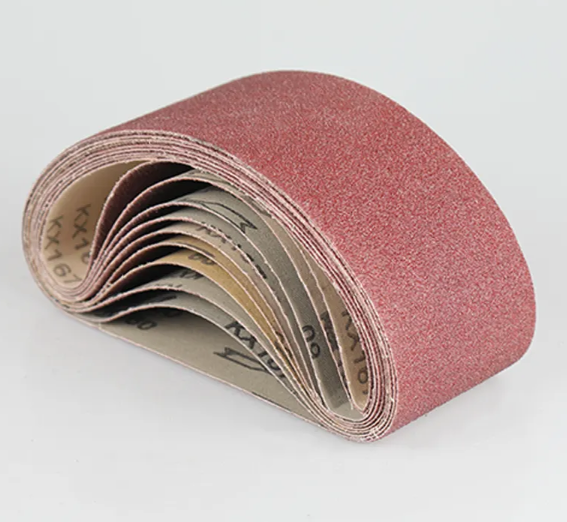
Abrasive Grain Selection: The Core Driver of Sanding Belt Durability
Ceramic Alumina: High Hardness, Controlled Fracture, and Extended Cutting Life
Ceramic alumina grains work really well in tough metalworking situations because they're super hard - around 9 on the Mohs scale actually - and how they break down is pretty controlled at the microscopic level. When these grains get pressed against metals for long periods, they tend to crack in predictable ways that reveal fresh, sharp cutting surfaces. This means the belts last longer than regular abrasives when grinding alloys. Some tests show about a 40% increase in belt lifespan, plus there's less heat generated during operation so the material gets removed consistently over time. Most shops that deal with stainless steel or titanium swear by ceramic alumina for their grinding needs since these materials require both lasting performance and good temperature management throughout the process.
Zirconia-Alumina Hybrids: Optimized Toughness for Heavy-Duty Metalworking
When combining zirconia's heat tolerance and ability to withstand impacts with the fast cutting power of alumina, we get these hybrid abrasive materials that work really well for tough jobs. The zirconia part helps keep the grains from falling off when grinding hard steels under heavy pressure, while the alumina component gets through material quickly. Tests by third parties have shown these hybrids last about 30 percent longer than regular single grain abrasives before wearing out. Shop floor experience shows real benefits too. Fabricators working with structural steel change belts less often, there's less build up on weld seams, and the finish stays consistent even after running non stop for over fifty hours straight.
Backing Material and Construction: Supporting Performance Under Load
Y-Weight Cloth Backing vs. Polyester-Film: Tensile Strength, Flex Fatigue, and Thermal Stability
The Y-weight cloth backing offers really good tensile strength, able to handle over 300 pounds of straight line force without stretching or tearing. This makes it great for those situations where there's high pressure involved, especially when grinding stainless steel and other hard metals. On the flip side, polyester film backing stands out for how well it handles repeated bending. It can go through more than 50 thousand bending cycles before showing any signs of wear, which is exactly what we need for contour sanding on complicated mold shapes. When it comes to heat resistance, polyester film stays strong even when temps climb past 250 degrees Fahrenheit (that's about 121 Celsius) during continuous dry grinding operations. Cloth backed products start breaking down at these temperatures and usually need breaks for cooling. So when choosing between them, think about what matters most for the job at hand.
- Tensile-critical tasks: Y-weight cloth for heavy, linear stock removal
- Complex contours: Polyester-film for vibration-free flexibility
- High-heat environments: Polyester-film for reliable thermal stability
Splice Integrity and Adhesive Technology for High-Tension, Continuous-Use Applications
The latest splice joints incorporate these new generation epoxy polyurethane blends that can handle roughly 40 percent more tension compared to older methods. These bonds stay strong throughout entire 8 hour production runs without breaking down. Manufacturers are now using precision lasers to cut the overlap areas, creating much smoother transitions between materials. This helps prevent those annoying edge catches during operation and cuts down on wear from vibrations over time. For industries dealing with constant feed systems under high tension loads, this kind of improvement makes all the difference. Splice failures still rank among the top reasons for unexpected equipment shutdowns, so having better bonding solutions is becoming increasingly important for plant managers looking to maximize uptime.
Operational Realities: How Heat, Loading, and Machine Parameters Impact Sanding Belt Lifespan
The main reasons behind early sanding belt failures usually come down to three things: heat buildup, excessive loading on the belt, and incorrect machine setup. When resin bonds start breaking down at temperatures over 150 degrees Celsius (that's around 302 Fahrenheit), the abrasive grains lose their grip and wear out faster than normal. Overloading happens when operators push feed rates too hard, don't leave enough space between grit particles, or set belt tension incorrectly. This causes the grains to break apart and the backing material to separate from the belt surface. Misaligned contact wheels, mismatched RPM settings, or fluctuating tension throughout operation also contribute to uneven wear across the belt. These issues can cut belt lifespan dramatically in continuous production environments, sometimes reducing it by nearly half. To get better results, focus on adjusting feed speeds properly, keep tension somewhere between 120 and 180 Newtons per square millimeter as manufacturers recommend, and incorporate some kind of cooling system into the process. Most shops find these adjustments make a world of difference in both how long belts last and the quality of finished surfaces they produce.
Matching Sanding Belt Durability to Industry-Specific Demands
Industrial applications demand purpose-built sanding belts—not generic solutions—to meet unique material, thermal, and mechanical challenges. Durability is not one-size-fits-all; it’s engineered.
Metal Fabrication: High-Pressure Grinding of Stainless Steel and Superalloys
In metal fabrication shops, grinding belts face serious heat and wear issues, particularly when working with tough materials like stainless steel, nickel alloys, or hardened tool steels. The best solution seems to be combining ceramic alumina grains with heavy duty Y-weight cloth backing. These ceramic grains keep cutting effectively even under pressure because they break in controlled ways rather than wearing down completely. Meanwhile, the cloth backing stands up better against tearing and warping during intense operations. Shops using this combo report replacing their belts about half as often compared to traditional setups, which cuts down on downtime and saves money over time. Plus, there's less risk of overheating parts during grinding, something that can really mess up the final product quality if not controlled properly.
Wood Flooring and Panel Processing: Balancing Aggressiveness with Clog Resistance
The wood processing industry needs belts that can handle both heavy material removal and stand up to all that resin buildup over time. Open coat construction has become pretty popular lately, especially when manufacturers add their own special anti-clog treatments to these belts. What makes this work so well is that it keeps the belt cutting properly even after hours of continuous operation without getting gummed up. For rough work like removing those annoying mill marks or planer ridges, coarse grits between 40 and 80 do the job fast. When it comes to finishing surfaces for things like flooring or panels, the finer grits from 100 to 220 produce those smooth, flawless results everyone wants. These specially designed belts last about 30 to 40 percent longer than regular closed coat options, which means fewer interruptions during production runs at large woodworking facilities where downtime costs money.