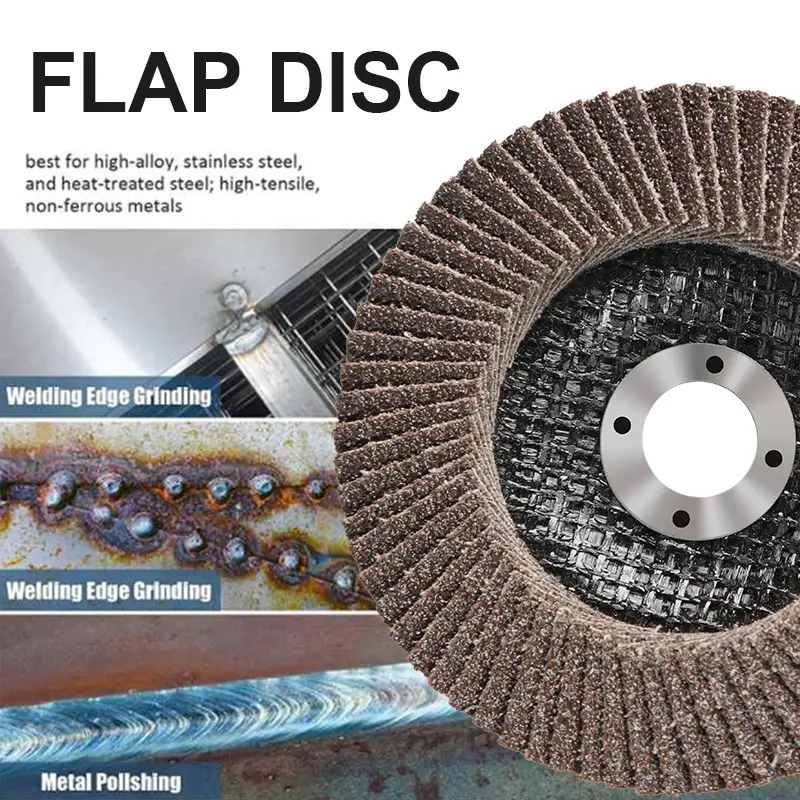
Flap Disc Shape: Type 27 vs Type 29 for Optimal Metal Grinding Design Differences and Contact Geometry Impact on Cut Rate and Control The flat design of Type 27 flap discs spreads out the abrasive contact across whatever surface they're working on....
VIEW MORE
Material Being Cut and Compatibility with Cutting Discs How workpiece hardness and material type influence cutting disc selection The hardness of the workpiece along with its material composition plays a major role in picking the right cutting disc...
VIEW MORE
Why Grinding Wheel Dressing Is Essential for Performance and Longevity Preventing Loading, Glazing, and Clogging Through Regular Dressing Regular dressing combats three primary performance inhibitors: Loading, where metal particles embed in abrasi...
VIEW MORE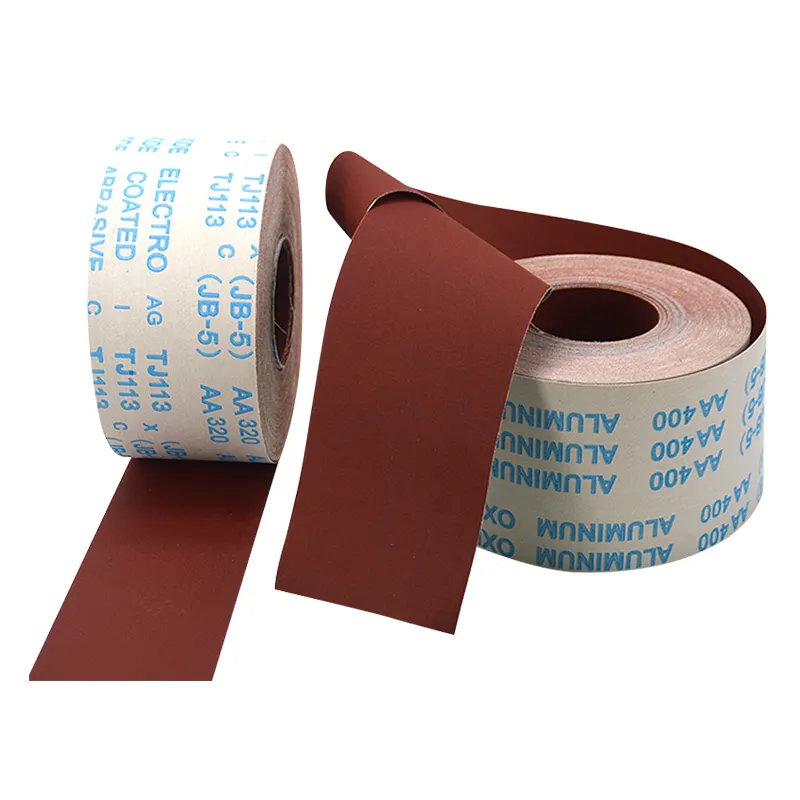
Understanding Sandpaper Grit: How Particle Size Affects Sanding Performance What Does Sandpaper Grit Mean? The grit rating on sandpaper basically tells us how many abrasive bits are packed into each square inch. Lower numbers mean bigger, rougher g...
VIEW MORE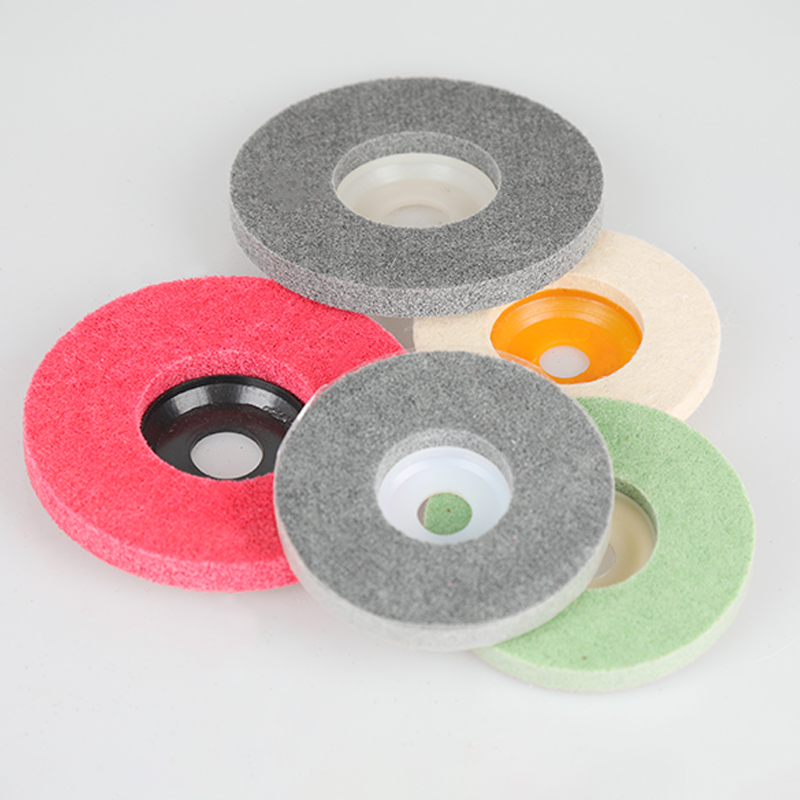
Understanding Polishing Discs and Their Impact on Metal Finishing What Are Polishing Discs and How Do They Work? Polishing discs work as rotary tools that have abrasives bonded to them like aluminum oxide, ceramic, or even diamond grit. These tools...
VIEW MORE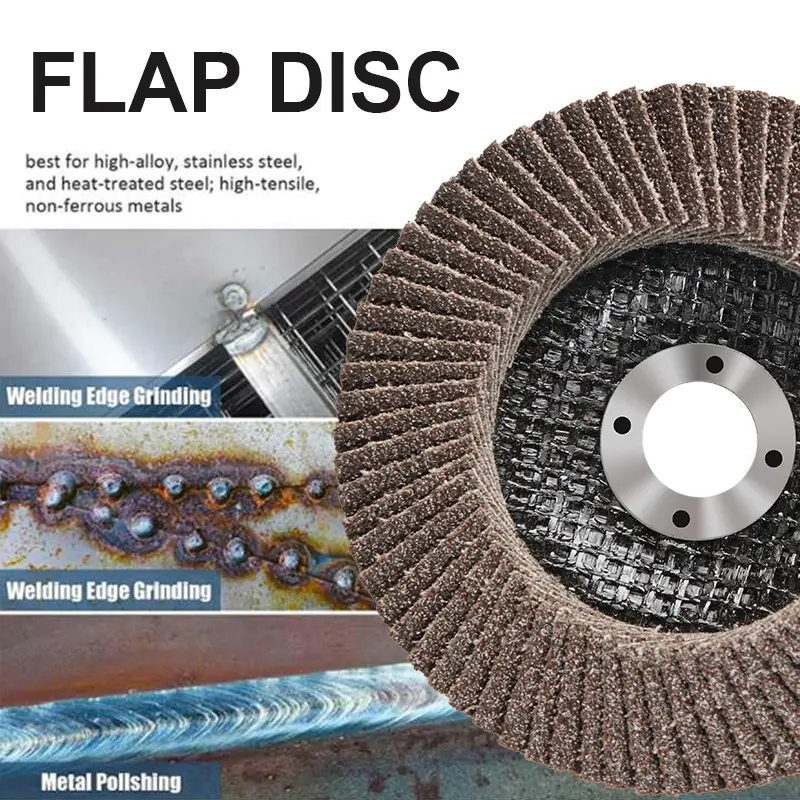
Key Abrasive Materials in Grinding Discs and Their Applications Zirconia, Aluminum Oxide, and Ceramic: Performance and Use Cases Industrial grinding discs typically depend on three main abrasive materials for their work. Take zirconia alumina for i...
VIEW MORE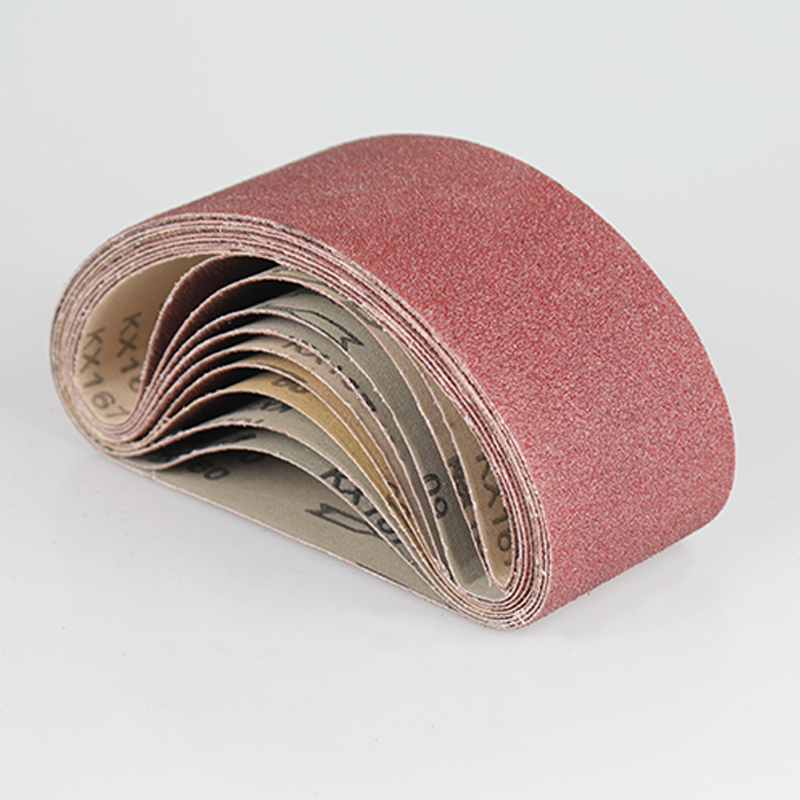
How abrasive grain types (aluminum oxide, zirconia, silicon carbide) affect performance on wood and metal The type of abrasive grains used makes a real difference when it comes to how fast materials get removed and what kind of finish we end up wit...
VIEW MORE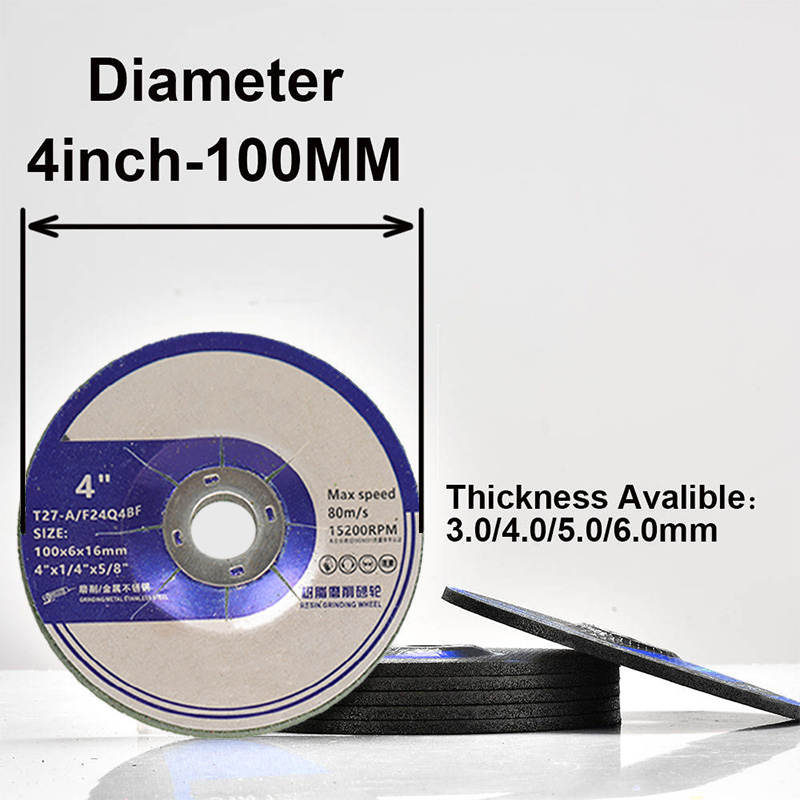
Inspect Grinding Wheels for Damage Before Use Visual Inspection of Grinding Wheel Surface Defects Before starting any work on the wheels, take a good look around in proper light conditions to spot those tiny cracks, chips, or areas where the wear i...
VIEW MORE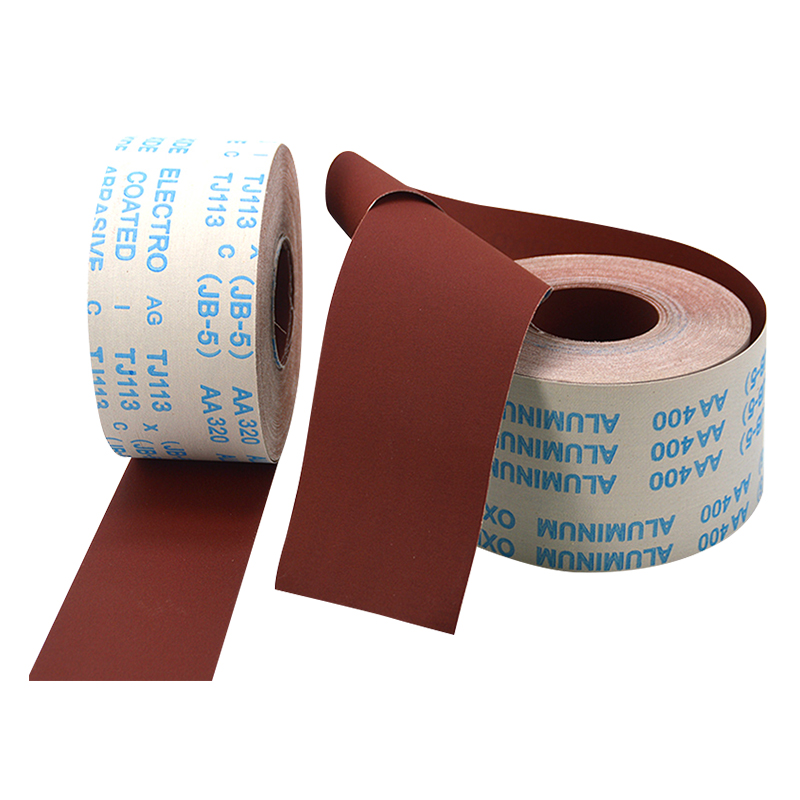
Understanding Abrasive Tool Types and Their Primary Applications Common Types of Industrial Abrasives: Grinding Wheels, Cut-Off Discs, Flap Discs, and Wire Brushes In industrial settings, four main types of abrasive tools stand out: grinding wheels...
VIEW MORE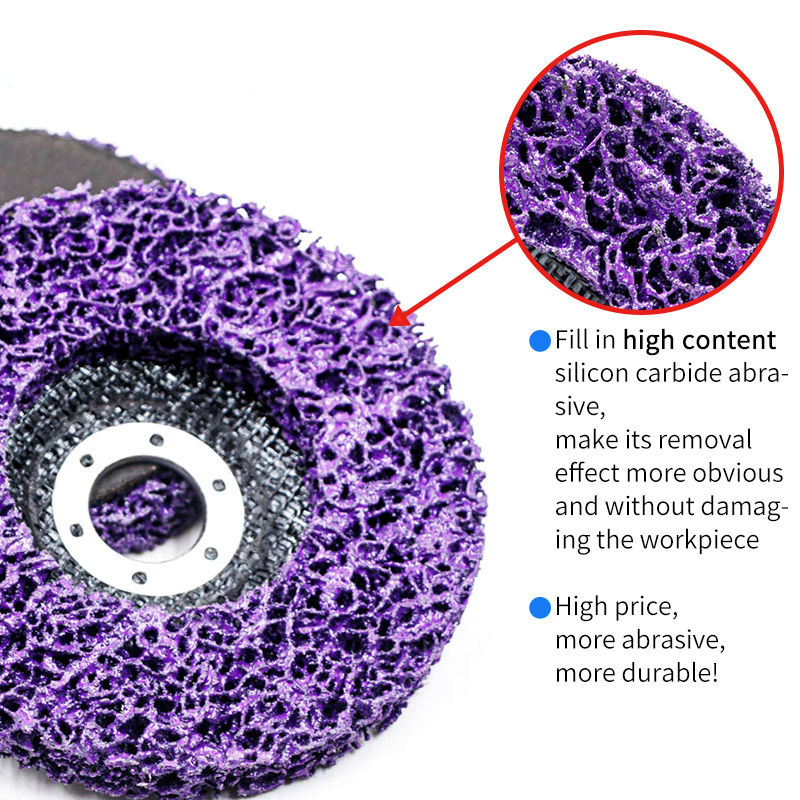
Understanding Diamond Cutting Tools and Their Role in Machining Hard Materials What Are Diamond Cutting Tools and Why Are They Essential for Hard Materials? Diamond cutting tools are made by bonding either synthetic or natural diamonds into a metal...
VIEW MORE
Reducing Production Cycle Times with High-Performance Grinding Discs Understanding the Relationship Between High-Quality Grinding and Reduced Cycle Times Manufacturers achieve a 12–19% reduction in average cycle times when using premium grind...
VIEW MORE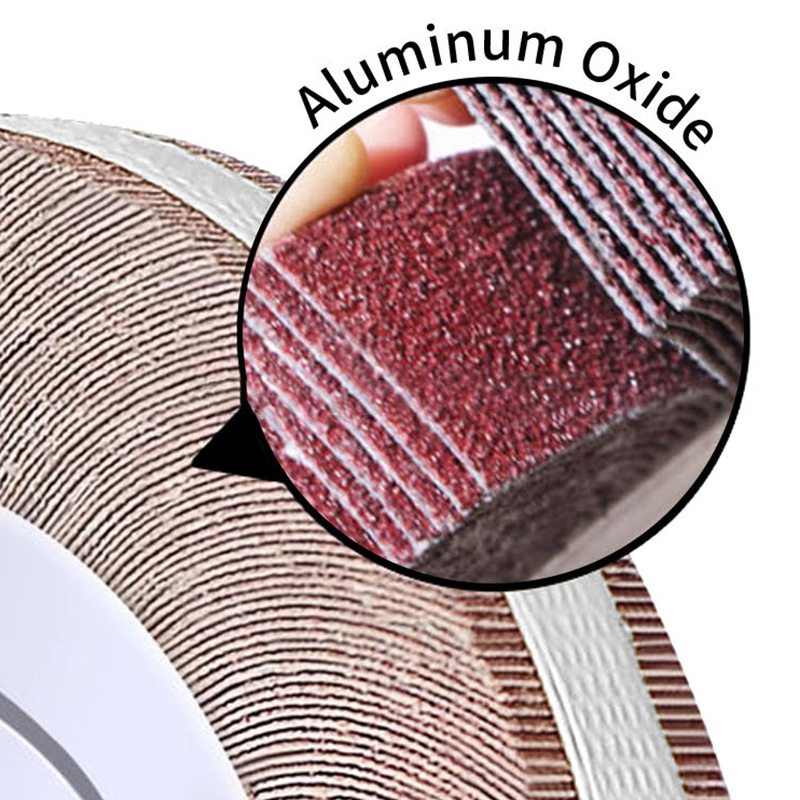
Understanding Flap Wheels and Polishing Wheels: Definitions and Core Functions What Is a Flap Wheel? Construction, Abrasive Layers, and Industrial Purpose Flap wheels have those overlapping abrasive flaps usually made from either aluminum oxide or ...
VIEW MORE
Dongtai is committed to standing tall in the East and promoting the development of the global coated abrasives industry.
 EN
EN