Microstructural Engineering: How Zirconia Corundum Abrasive Achieves Superior Toughness Tetragonal Zirconia Dispersion in Alumina Matrix Enables Transformation Toughening The Zirconia Corundum Abrasive has what we call an engineered microstructure ...
VIEW MORE
Root Causes of Grinding Disc Clogging Thermal Loading and Material Buildup on the Grinding Disc Surface Too much heat while grinding leads to problems with thermal expansion and softening for both the grinding disc and whatever is being worked on. ...
VIEW MORE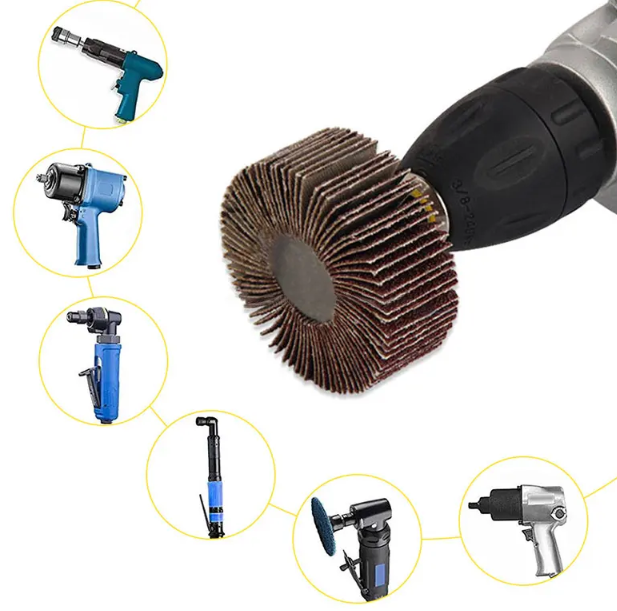
Key Design Parameters of a Shafted Mop Wheel for Miniature Machining Diameter, Thickness, and Arbor Interface: Balancing Access, Control, and Stability For small-scale machining—especially on features under 5mmâ€&rdquo...
VIEW MORE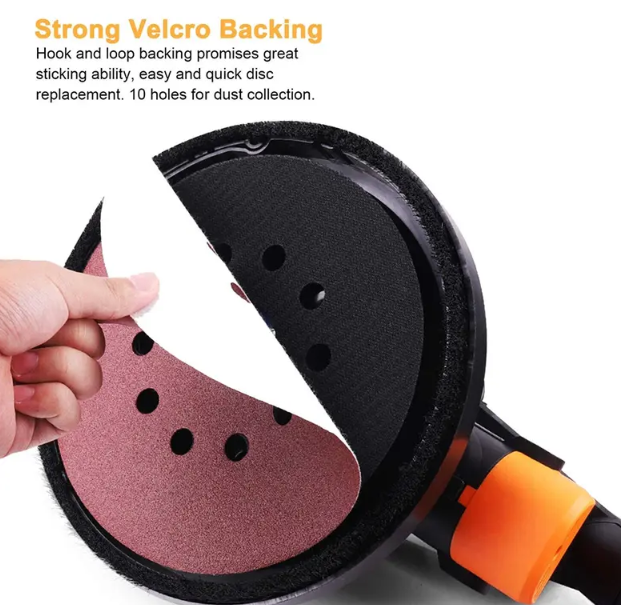
Velcro Disc Compatibility: Matching Discs to Your Polishing Tool Interface Standards: Random Orbital, DA, and Angle Grinders Getting the right Velcro discs for your specific tool isn't just about making things work better it's actually pretty impor...
VIEW MORE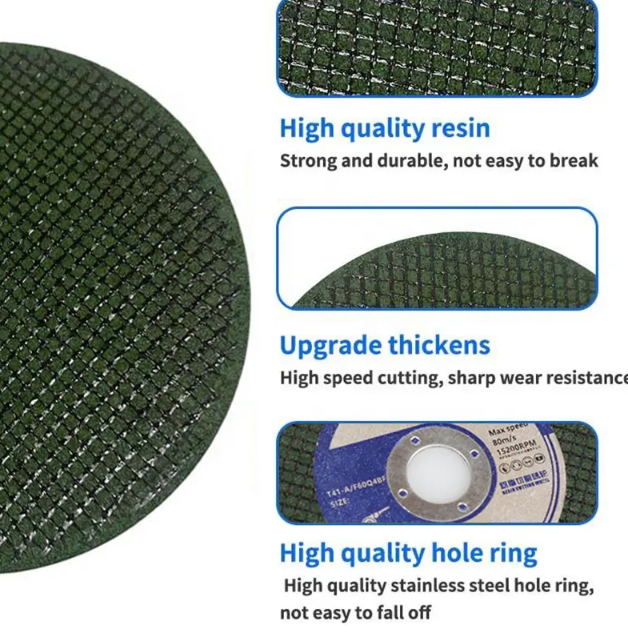
Understanding Cutting Disc Hazards and Failure Mechanisms Common Causes of Cutting Disc Breakage: Defects, Abuse, and Misapplication There are basically three main reasons why cutting discs fail: problems from manufacturing, misuse by operators, an...
VIEW MORE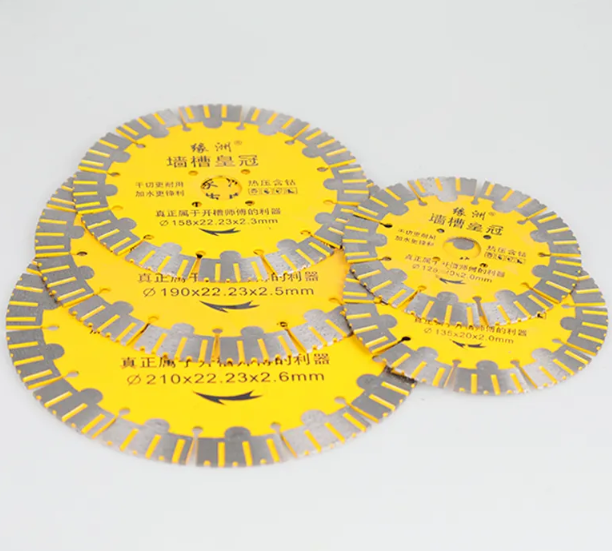
Match Diamond Disc Bond Hardness to Stone Type and Abrasiveness Why Granite Requires Harder Metal Bonds While Marble Needs Softer Resin Bonds Granite sits around Mohs hardness 6 to 7 on the scale, making it pretty tough against scratches and abrasi...
VIEW MORE
Wet and dry grinding are two essential processing methods in the industrial field, widely used in mechanical manufacturing, automotive maintenance, furniture processing, metal polishing and many other industries. The key to ensuring efficient and hi...
VIEW MORE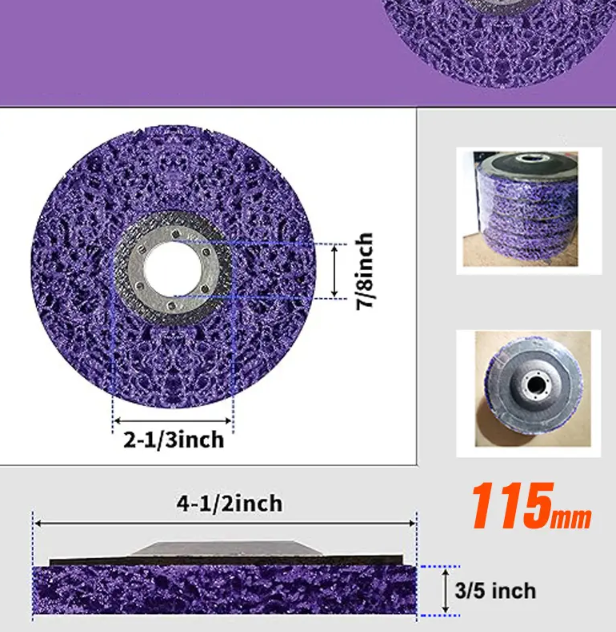
Optimize Cutting Parameters for Maximum Diamond Cutting Disc Longevity Matching RPM and Feed Rate to Material Hardness and Blade Specifications Precise calibration of rotational speed and feed pressure is foundational to diamond cutting disc longev...
VIEW MORE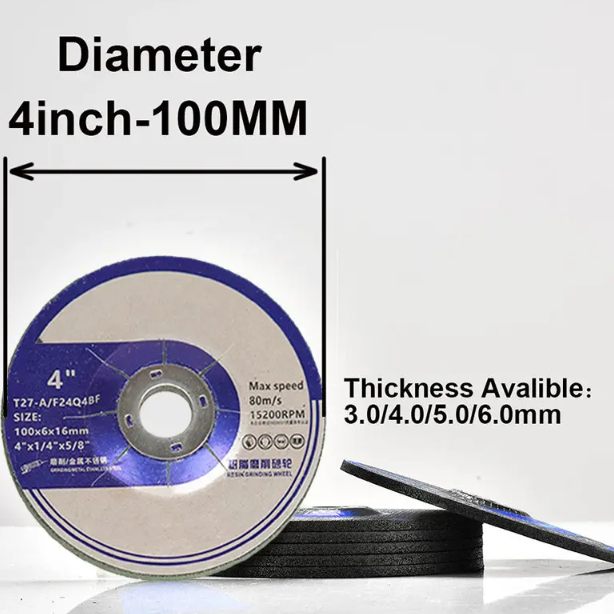
How Grit Size Affects Metal Grinding Disc Performance Cut Rate, Surface Finish (Ra/RMS), and Pressure Sensitivity Across Grit Ranges The size of grit particles really determines how well a grinding disc works when cutting metal surfaces. Coarse gri...
VIEW MORE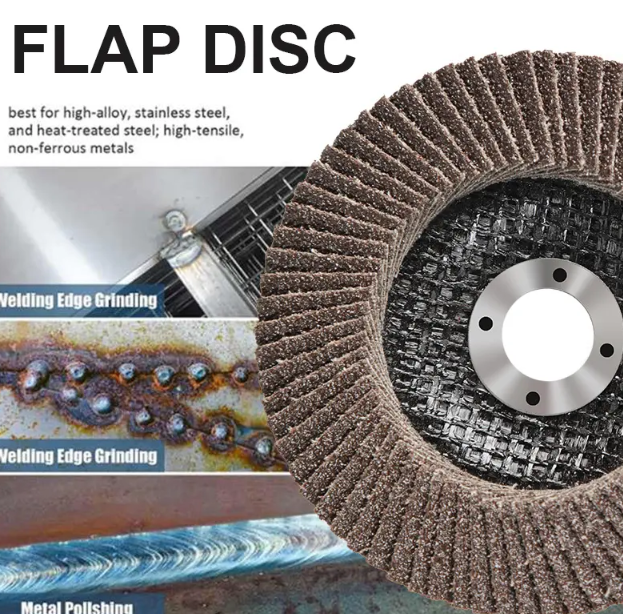
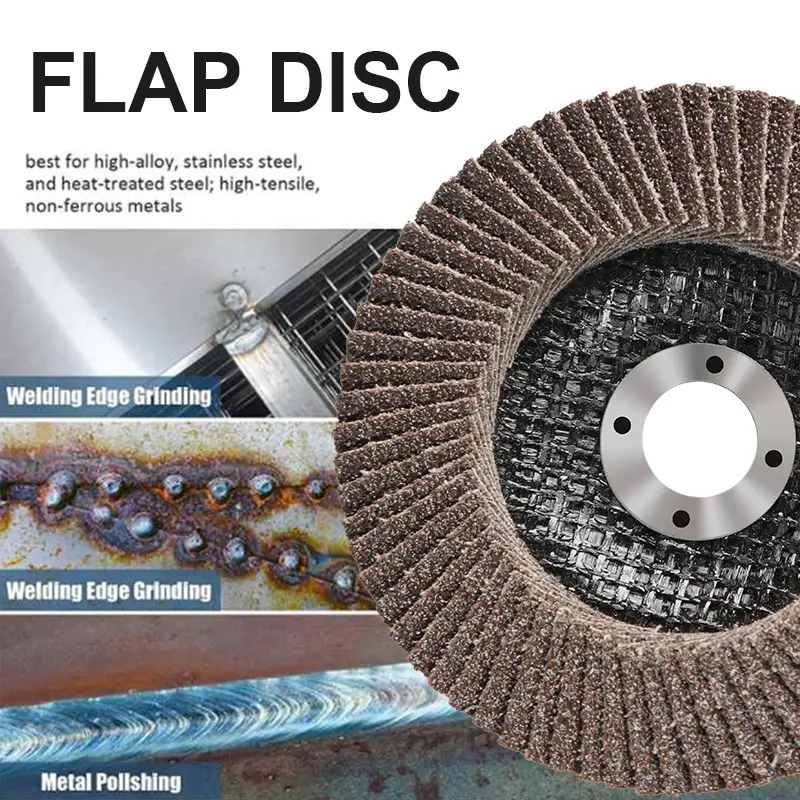
Flap Disc Grit Material: Ceramic Alumina vs. Zirconia Alumina for Stainless Steel Why Ceramic Alumina Enables Cold Cutting and Minimizes Heat-Affected Zones When working with precision stainless steel applications, ceramic alumina flap discs tend t...
VIEW MORE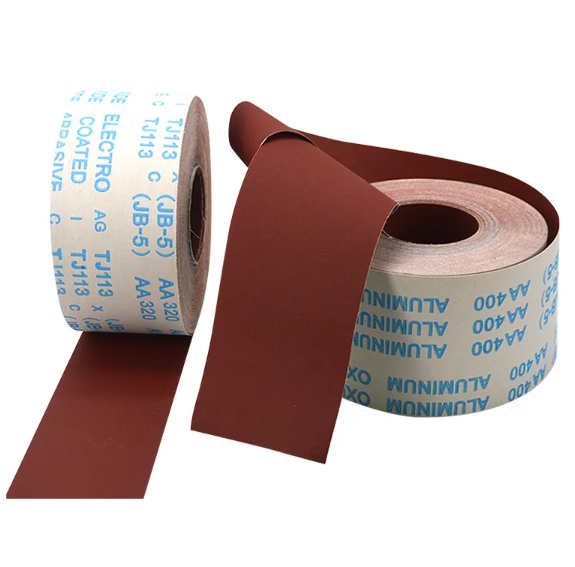
Grit Size and Surface Finish: Balancing Material Removal Rate and Smoothness Choosing the right grit size when working with abrasive tools makes a big difference in how fast things get done and what kind of finish ends up on components. The coarser...
VIEW MORE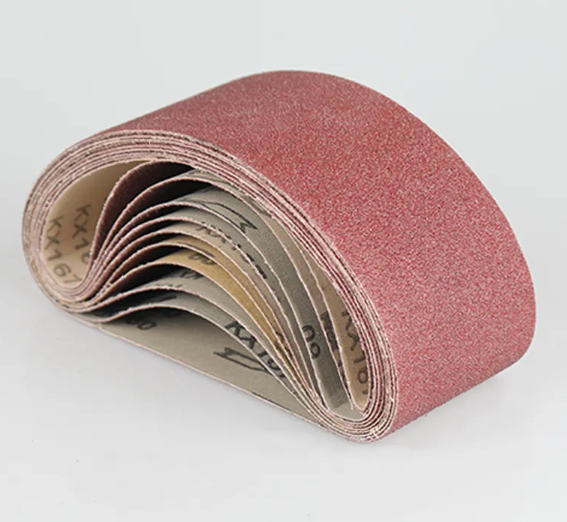
Abrasive Grain Selection: The Core Driver of Sanding Belt Durability Ceramic Alumina: High Hardness, Controlled Fracture, and Extended Cutting Life Ceramic alumina grains work really well in tough metalworking situations because they're super hard ...
VIEW MORE
Dongtai is committed to standing tall in the East and promoting the development of the global coated abrasives industry.
 EN
EN