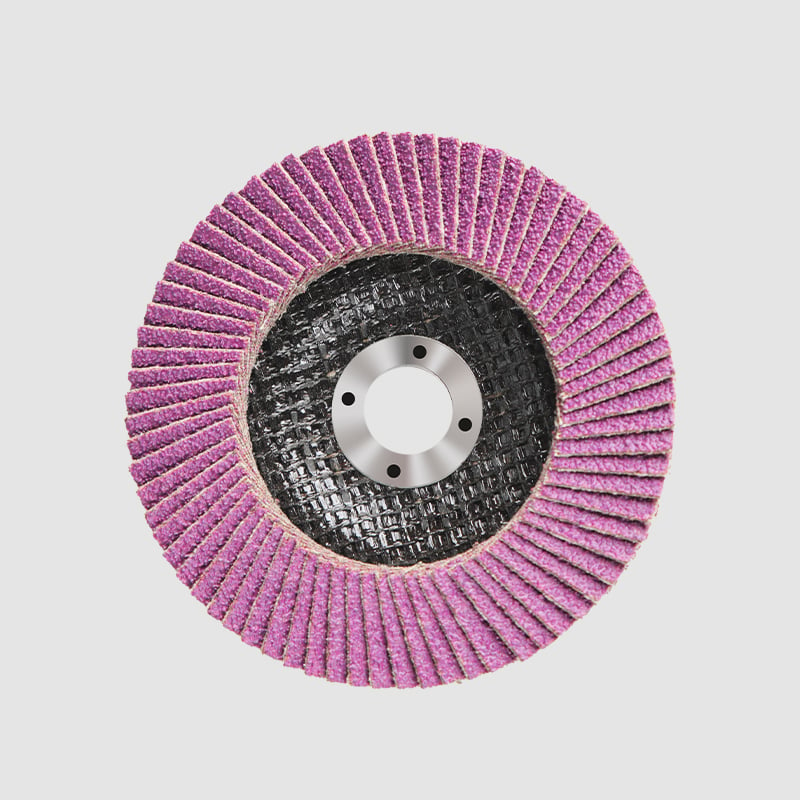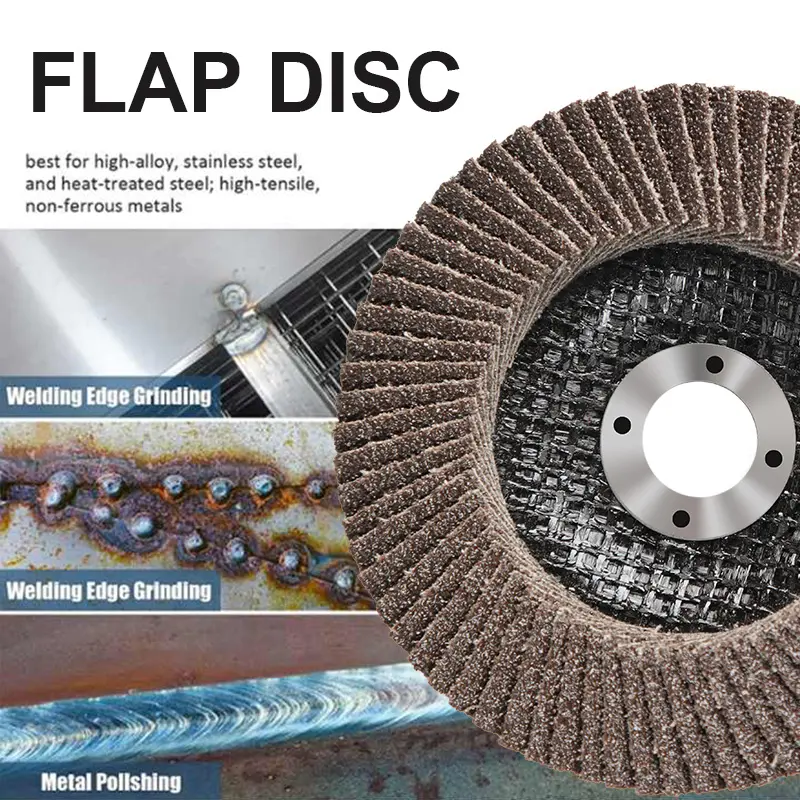
When working with precision stainless steel applications, ceramic alumina flap discs tend to be the go to option because they stay cooler during operation. What makes these discs special is how their engineered grains actually break down when pressure is applied, constantly revealing fresh cutting edges. This self sharpening effect cuts down on both friction and heat generation. Maintaining lower temperatures matters a lot for keeping stainless steel resistant to corrosion since too much heat strips away surface chromium and creates those problematic heat affected zones. For removing weld beads specifically, ceramic abrasives run about 30 percent cooler compared to what we typically see from other options out there. That means temps stay well under the dangerous 350 degree mark where problems start happening according to industry research from Ponemon back in 2022. The end result? A finish that stays clean without discoloration, something absolutely necessary for parts used in medical devices, pharmaceutical equipment, and anything that comes into contact with food products.
Zirconia alumina discs last way longer than regular ceramic ones, sometimes stretching their lifespan by around 40% when cutting through tough materials (Abrasive Safety Council reported this in 2023). The material has a really tight grain structure that holds up against rough treatment and doesn't wear down as fast, which is why many shops use them for big jobs like cleaning up structural welds. But there's a catch with all that strength. When these discs get going, they generate serious heat. Surface temps can climb past 600 degrees Fahrenheit after extended grinding sessions. That kind of heat causes problems too. It makes chromium carbide form in some metals, warps thin stainless steel sheets, and requires extra work to passivate surfaces afterward. Best to save zirconia alumina for those heavy duty applications where temperature control isn't so critical. Keep them away from delicate joints, thin metal parts, or any area that needs a clean finish without additional treatment.
Selecting the right grit size balances speed, surface integrity, and compliance with finishing standards. Coarse grades prioritize rapid material removal with thermal control; fine grades ensure metallurgical readiness for passivation and aesthetic performance.
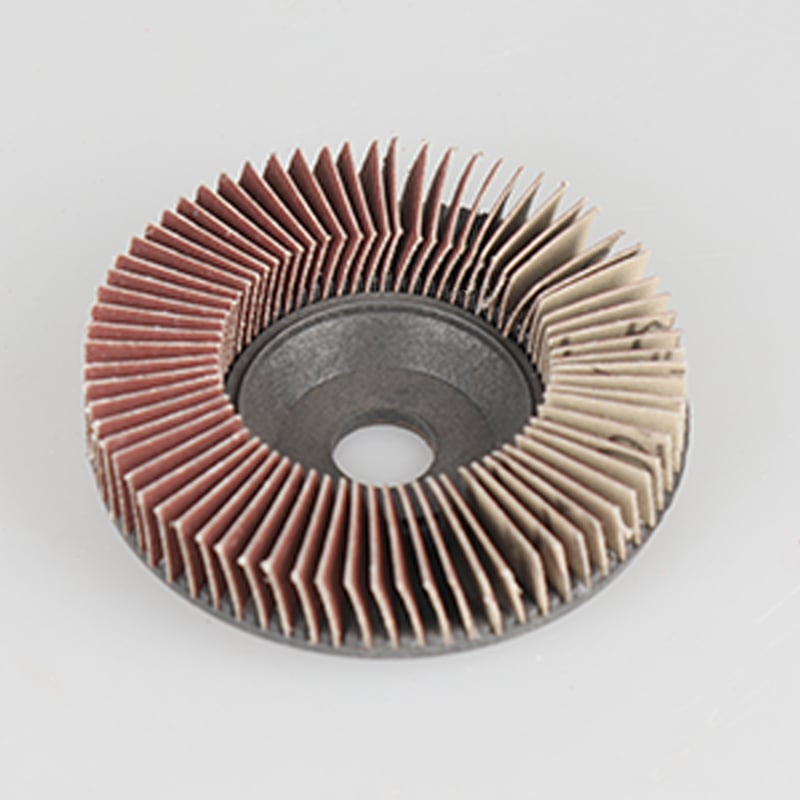
Ceramic alumina flap discs in the 60 to 80 grit range work great for taking off weld beads from stainless steel surfaces aggressively but without overheating them. These discs have an open grain pattern that keeps sharpening itself as it cuts, so there's less heat build up during operation. Most welders find they can keep surface temps under control, staying safely below that critical 350 degree mark where chromium starts to disappear from the metal. Compared to using finer grit options, these discs typically cut material away around 40 percent faster while still protecting the underlying metal structure. When working with these tools, many experienced technicians recommend applying just enough pressure and angling the disc between 15 and 30 degrees relative to the surface. This positioning helps increase the contact area and allows better air circulation, which makes all the difference when trying to manage heat effectively during grinding operations.
For proper chemical passivation according to ASTM A967 standards, flap discs with ratings of 120 grit or finer work best at creating those smooth, consistent finishes needed. When working at this level, surface scratches get reduced down to around Ra 0.8 micrometers or less. This helps eliminate those tiny surface irregularities where pitting corrosion tends to start, making way for a good chromium oxide layer to form properly. To get those nice smooth reflective surfaces that hold up well in sanitary conditions or areas prone to corrosion, keep the pressure light on the disc. Move in crosshatch patterns across the surface and maintain tool speeds somewhere between 10,000 to 12,000 RPM. These techniques really make a difference in achieving the quality finish that meets industry requirements.
Type 29 flap discs have a conical shape that tilts the abrasive flaps between 15 and 25 degrees. This design actually creates better contact with those tricky curved, beveled, or contoured stainless steel surfaces that welders often deal with. The angled geometry makes all the difference when someone is trying to work on pipes, weld contours, or blend edges together. It helps prevent those frustrating gouges and digs into the metal that can ruin hours of work. Some real world tests back this up too. When compared against regular flat profile discs, Type 29 models cut down on heat buildup by around 22% while tackling complex shapes. That means cleaner results without unwanted discoloration issues that plague many welding projects.
The Type 27 flap disc has a completely flat abrasive surface at zero degrees, making it great for working on big areas like sheet metal, welded plates, and those massive stainless steel assemblies we see all the time. The way these discs are shaped gives them maximum contact with the surface they're working on, so they cut through material quickly and evenly without leaving gouges or creating uneven finishes. Many experienced operators have noticed their blending speed can jump by around 40% when tackling those large flat surfaces. This makes them especially useful for jobs such as architectural cladding projects, tank fabrication work, or getting panels ready for finishing, where having consistent results and moving things along fast is absolutely critical.
High density flap discs have these tightly packed abrasive flaps arranged in layers that spread out the grinding force when working on stainless steel surfaces. What this does is prevent those hotspots where too much pressure builds up and causes problems. And we really need to avoid that because if temps get above 150 degrees Celsius (which is about 302 Fahrenheit), something bad happens to the chromium content in the metal. This affects the protective oxide layer that makes stainless steel resistant to corrosion in the first place. These discs also come with special resin bonds that stay cool under stress, plus some models feature mesh backing which lets air circulate better during operation. All these design elements work together to keep things from getting too hot and building up debris on the surface. At the end of the day, what we get is a clean finish without any discoloration marks, oxidation spots, or structural issues. This kind of quality meets the ASTM A967 standards needed for proper passivation treatment in industrial settings.
 Hot News
2025-09-30
2025-08-31
2025-08-30
2025-07-28
2025-06-25
2025-04-22
Dongtai is committed to standing tall in the East and promoting the development of the global coated abrasives industry.
 EN
EN