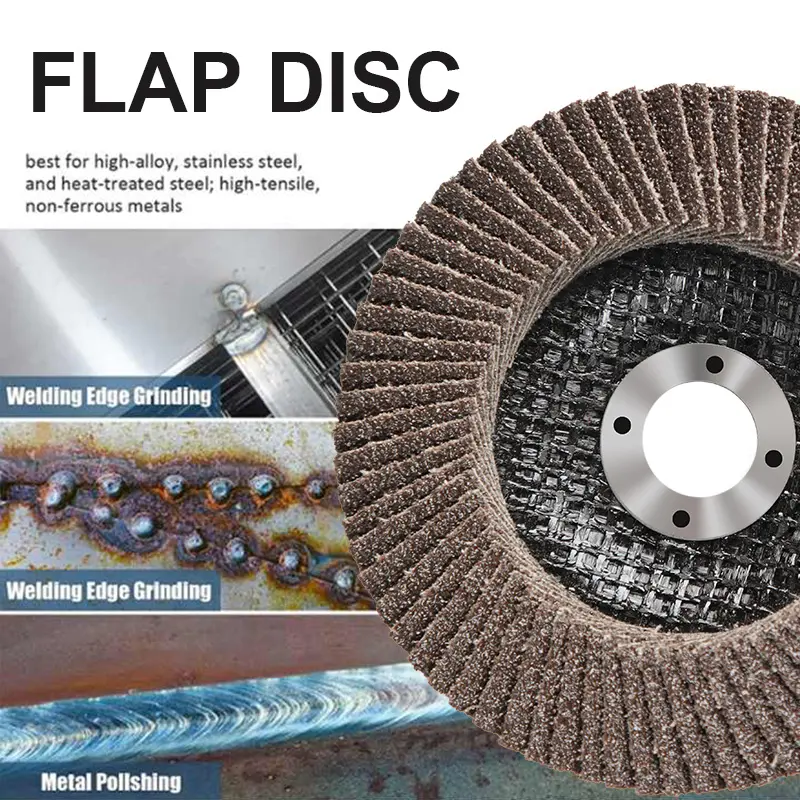
Regular dressing combats three primary performance inhibitors:
Undressed wheels demand 57% more grinding force, accelerating wear and increasing thermal stress on both wheel and workpiece. Proper dressing restores grain exposure and porosity, enabling effective coolant delivery and preventing thermal damage. Operators should dress after every 15–20 grinding cycles using manufacturer-recommended methods and tools.
| Dresser Type | Best For Bond Materials | Key Advantages | Limitations |
|---|---|---|---|
| Diamond Dressers | Vitrified, ceramic | Superior precision, longer lifespan | Higher initial cost |
| Non-Diamond Tools | Resin, rubber | Cost-effective, less brittle | Faster wear on hard bonds |
When working with vitrified and ceramic bonded wheels, single point diamond dressers can restore geometry down to the micron level. For softer materials like resin or rubber bonds, non diamond options such as silicon carbide sticks work just fine, though they wear out pretty fast when applied to harder materials. One major grinding equipment company saw their wheel lifespan jump by about 30% once they switched entirely to diamond dressers for all ceramic bond jobs. Matching the hardness of the dressing tool to what it's cutting against makes sense really. Get this wrong and wheels start failing way before their time, which nobody wants to deal with in production settings.
The feed rate, spindle speed, and depth of cut all work together in grinding operations. When these parameters get out of sync, tool wear speeds up and part quality drops off. Pushing the feed rate too high creates more friction and can lead to losing around 18 to 23% more abrasive grains during operation. On the flip side, making cuts too shallow forces the machine to make extra passes, which wears down the bonding agent holding the abrasive particles together. Finding the right combination really depends on what kind of material is being worked on and the type of grinding wheel used. But keeping things in proportion helps avoid heat damage and keeps material removal going smoothly. With hardened steel specifically, cutting back the feed rate about 15% and keeping the depth somewhere between .002 and .005 inches usually adds about 30% more life to the grinding wheel without slowing down production much.
Operator technique directly affects wheel longevity. Maintain a consistent 25–35° work angle to distribute wear evenly and prevent edge breakdown. Apply only moderate pressure—excessive force increases heat generation and grain dislodgement by up to 40%. Integrate real-time monitoring into standard practice:
Early identification of loading or glazing allows timely dressing before irreversible structural damage occurs. Documenting wear trends builds predictive maintenance benchmarks—industrial case studies show this reduces unplanned downtime by 65%.
Before mounting anything, it makes sense to do daily visual checks along with those periodic dimensional measurements. Keep an eye out for tiny cracks, strange color changes, or any crumbling around the bond lines. Resin bonded wheels are particularly vulnerable here since they tend to break down faster when exposed to repeated temperature changes. For the ring test required by OSHA 1910.215 standards, hang the wheel on a mandrel and give it a gentle tap. If it rings clearly and loudly, that means everything looks good inside. But if it sounds dull or thuds instead, there might be problems hiding within. When checking dimensions with calipers, compare them to what the manufacturer specifies. Any difference greater than half a percent usually means serious wear has set in, so either dress the wheel or replace it entirely. Don't forget to write down all these observations somewhere safe. Keeping records helps spot patterns over time and gives a better idea of when maintenance will actually be needed.
To get rid of embedded swarf, grab those non-metallic nylon bristle brushes or rubber sticks instead of reaching for steel wool or wire brushes which will just scratch up the surface. When dealing with vitrified wheels specifically, stick to alkaline cleaners that are under pH 10 because they break down metal bits effectively without damaging anything else. Acidic stuff is a no-go since it eats away at those important silicate bonds holding everything together. For drying, blow off excess moisture using compressed air but keep the pressure around 30 PSI max otherwise there's risk of cracking or shifting grains inside the wheel structure. After cleaning, store these babies standing upright in cabinets where temperature stays steady between 40 to 60 percent relative humidity. Throw in some desiccant packs too so moisture doesn't sneak back in and start weakening those resin and rubber connections over time. And don't forget to rotate through inventory periodically as leaving them stacked for too long can cause unwanted warping issues due to constant weight distribution across flat surfaces.
| Maintenance Factor | Protocol | Risk Prevention |
|---|---|---|
| Contaminant Removal | Non-metallic brushes | Preserves grain sharpness |
| Chemical Cleaning | pH-neutral solutions | Prevents bond corrosion |
| Drying | Low-pressure air | Avoids hydraulic fracture |
| Storage Orientation | Vertical positioning | Eliminates warping forces |
Critical compliance notes:
Coolant management plays a big role in keeping things cool enough for wheels to last longer. When heat builds up, it starts breaking down those abrasive grains and whatever holds them together, which leads to problems like cracks from too much heat, surfaces getting glazed over, and parts warping during grinding. Good coolant application can actually cut down operating temps around 35-40 degrees, so the whole setup stays structurally sound and cuts better too. Flood coolant needs to reach every spot where the wheel meets the part being worked on plus wherever chips get thrown out. Keep an eye on how concentrated the coolant is, how fast it flows through, and make sure nozzles are pointing right according to what each machine and wheel requires. The filtration system should catch anything bigger than about 15 parts per million so we don't just circulate all that gritty stuff back into the mix. Check coolant regularly for things like acidity levels, strength, and actual temperature readings at regular intervals throughout production runs. Don't forget regular maintenance checks either. Stick with these practices and operators will see fewer issues with loaded wheels or glazed surfaces, plus their grinding operations stay reliable day after day.
 Hot News
2025-09-30
2025-08-31
2025-08-30
2025-07-28
2025-06-25
2025-04-22
Dongtai is committed to standing tall in the East and promoting the development of the global coated abrasives industry.
 EN
EN